through time
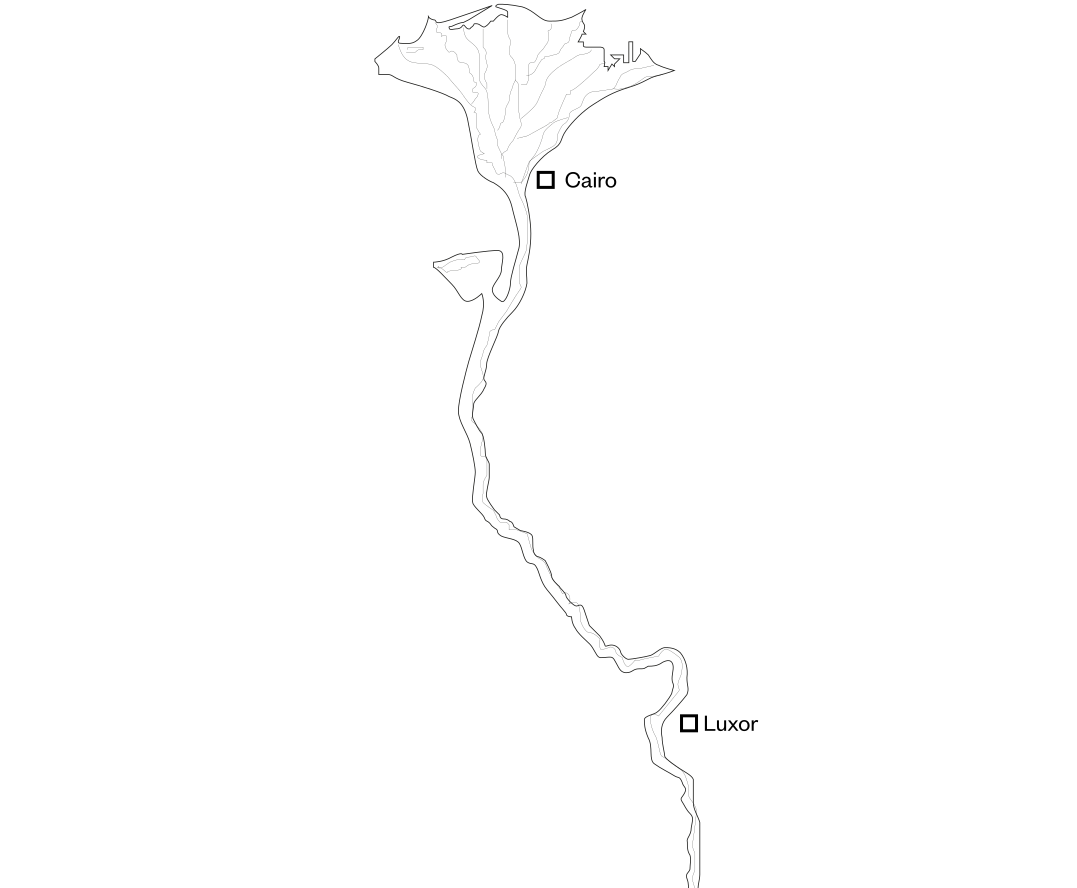
CAIRO AND LUXOR

-
travel dates
18.01 — 25.01.27
-
price
from € 5,650
-
sign up
until 30.09.2026
-
vertrek vanuit
Brussels Zaventem
- on request
We strive to write a new and original chapter, without compromising our rich and successful architectural heritage.
Egypt is a destination that does not reveal itself immediately. Behind the world-famous monuments lies a complex society in which thousands of years of history, urban growth and contemporary architecture are in constant dialogue. This planopli trip explores the country not only as the cradle of an ancient civilization, but as a place where current questions about housing, climate, heritage and identity are still being shaped today.
For four days, Cairo forms the starting point of a remarkable journey through more than four millennia of history. Not as a succession of monuments, but as a search for the many layers from which Egypt is built today. The timeline begins on the Giza plateau, where the pyramids rise above the city as steadfast landmarks. From there, an increasingly rich story unfolds. In the Citadel, the Muhammad Ali Mosque dominates the skyline, while Islamic Cairo, Downtown and Heliopolis each reveal a different chapter in the development of one of the world's most fascinating metropolises.
But perhaps Cairo's greatest richness lies precisely between those familiar landmarks. Together with local architects, designers and thinkers, we look beyond the iconic images. They show a city that is constantly negotiating between tradition and modernity, between heritage and the future. In the work of Ramses Wissa Wassef and Hassan Fathy, we discover how architecture can emerge from craftsmanship, climate and community. Their projects form a powerful alternative to the universal modernization that gained ground worldwide in the twentieth century. Contemporary initiatives such as CLUSTER build on this and help us understand the complex urban reality of present-day Cairo. Art also serves as an important guide. From the understated museum of sculptor Adam Henein to the impressive Grand Egyptian Museum, where Egypt's ancient civilization is housed in an architecture that looks resolutely to the future. Throughout the journey, an Egyptologist connects the buildings, objects and landscapes into one coherent story.
After Cairo, the setting shifts to Luxor. Here, the monumental ambition of ancient Egypt becomes tangible. The Valley of the Kings, the temple of Hatshepsut, the Colossi of Memnon and the vast temple complexes of Karnak and Luxor show how architecture, religion and landscape once formed one inseparable whole. Even here, the twentieth century continues to speak. In New Gourna and the Stopplaere House, we discover how modern architects have related to the same questions that have occupied Egypt for thousands of years: how to build in this climate, how to live in this landscape, how to reconcile tradition and innovation?
We travel by coach, which offers great flexibility and leaves room to pause along the way for unexpected encounters and observations.
highlights
In Mit Rehan, the architecture of Hassan Fathy comes to life, in which local traditions have been translated into a contemporary and socially supported practice.
Édouard Empain's vision of the desert city Heliopolis unfolds in Villa Baron Empain.
Dar Al Lateef is a fascinating construction site that has stood still for more than ten years. The unfinished skeleton, the experimental brick structures and the visible building logic make the project an exceptional lesson in architecture.
Together with the daughter of Ramses Wissa Wassef, we visit The Weaving Village, where craftsmanship, education and creativity go hand in hand.

Mit Rehan Residence, Hassan Fathy 1981 © Mira De Cleen

Baron Empain Palace, Ernest Jaspar 1905 © Eva Lo

Dar Al Lateef, Dar Arafa 2011 © Eva Lo

Wissa Wassef Art Center, 1951 © Eva Lo
more photos


Grand Egyptian Museum, Heneghan 2025 © Eva Lo
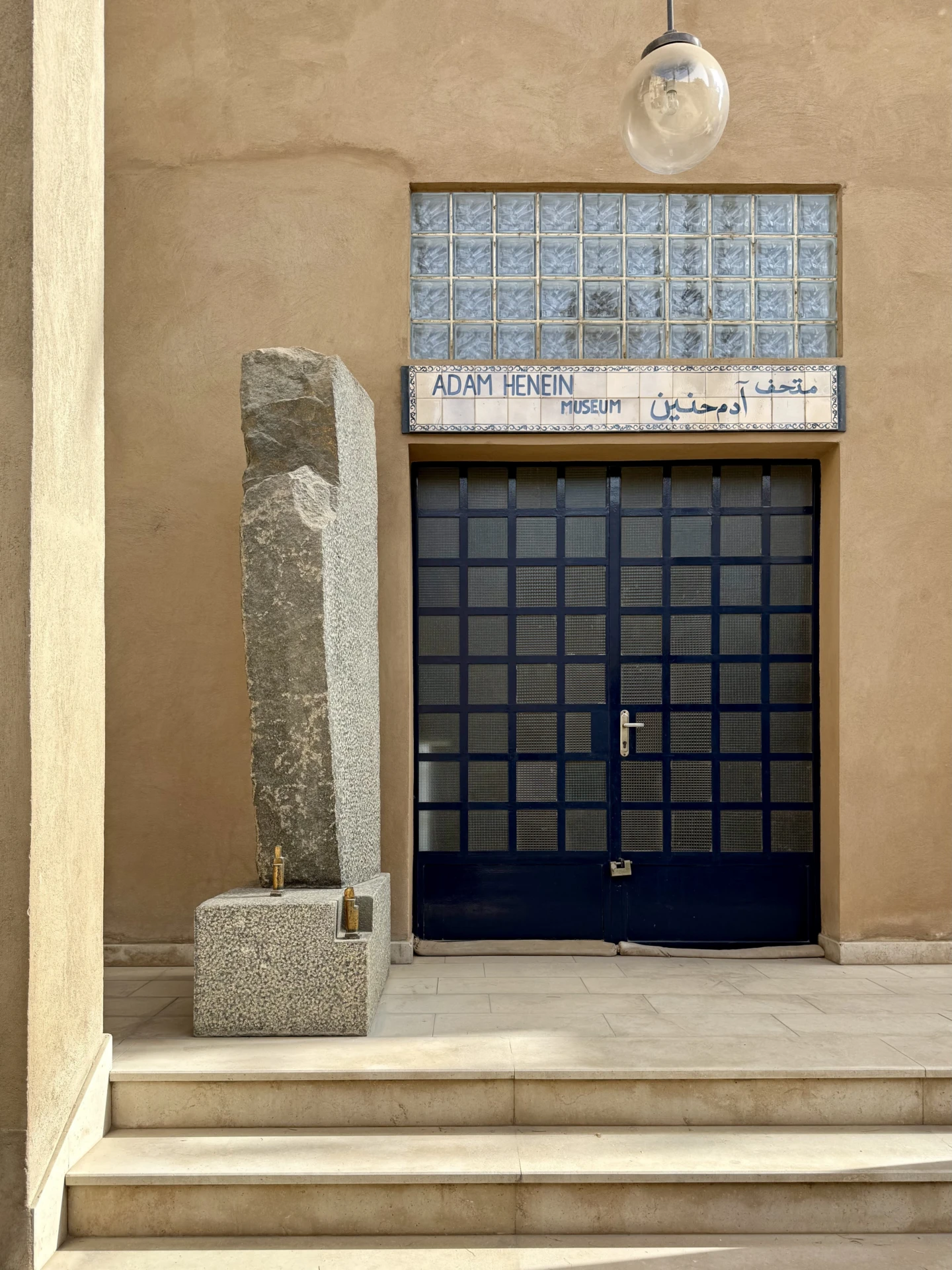
Adam Henein Museum 2014 © Eva Lo
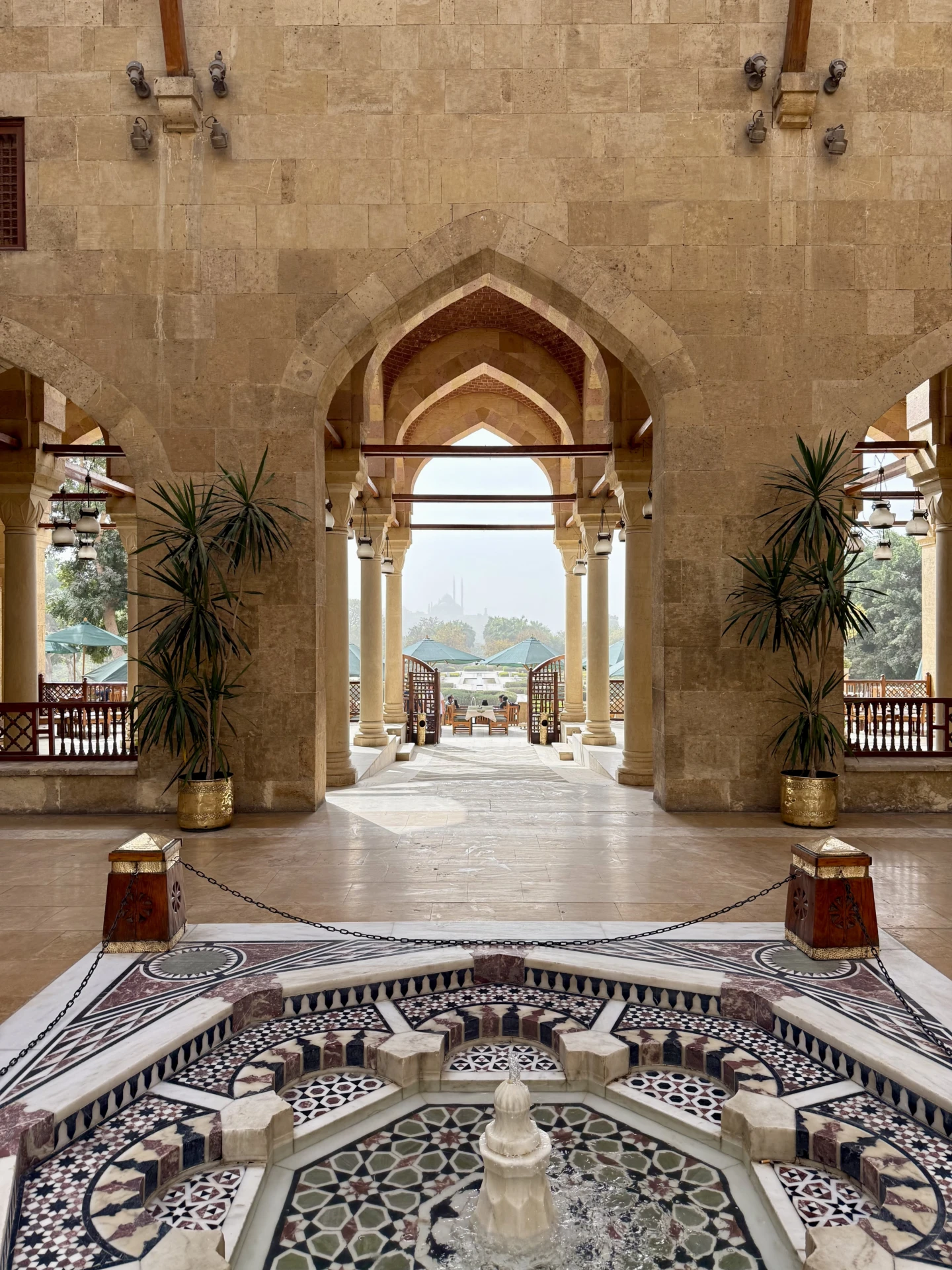
Citadel View Restaurant © Eva Lo
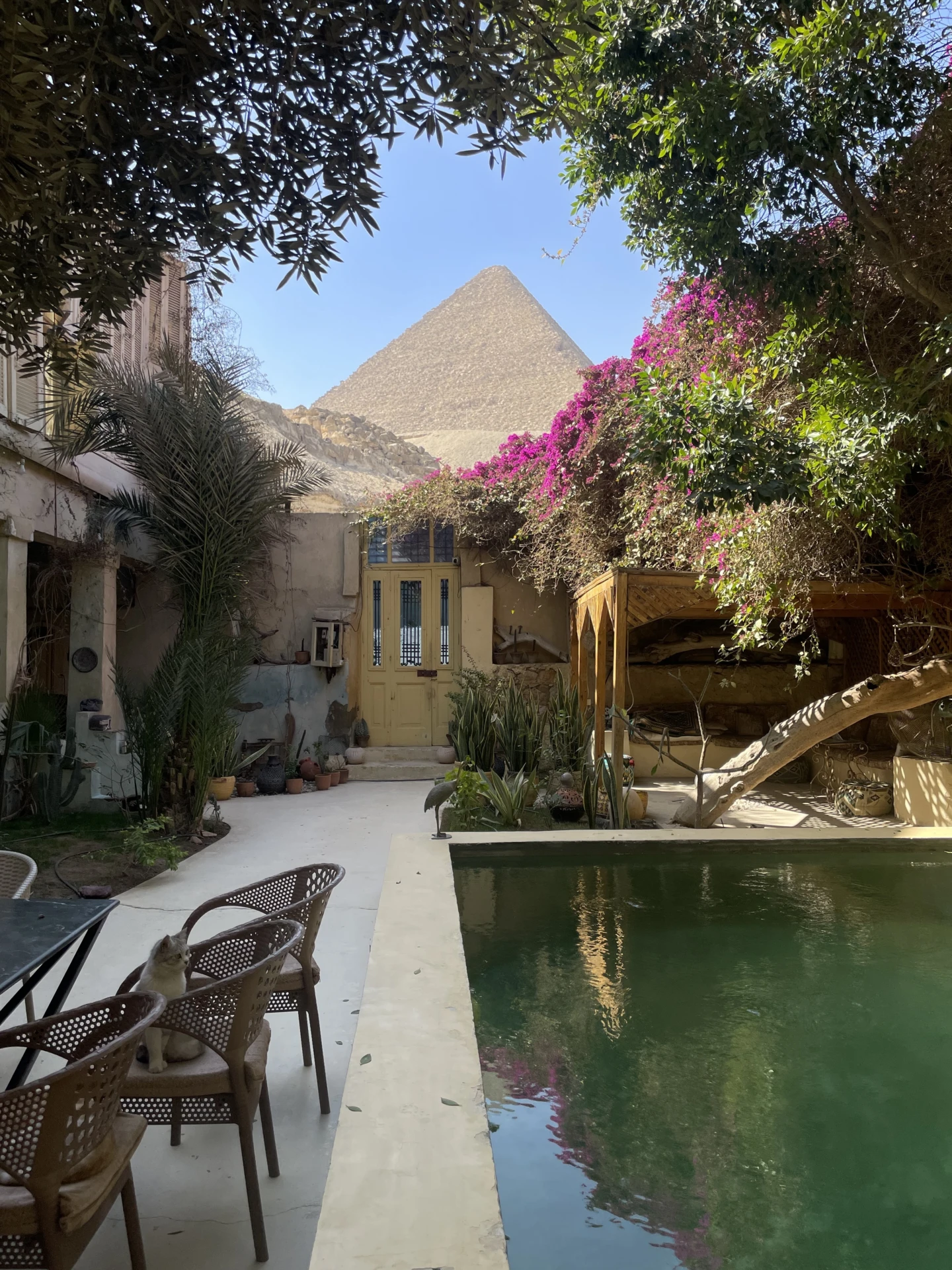
Cheops Observatory, Studio Malka 2020 © Mira De Cleen

Muhammad Ali Mosque, 1857 © Eva Lo

Habib Gorgi Museum, Ramses Wissa Wassef 1971 © Eva Lo
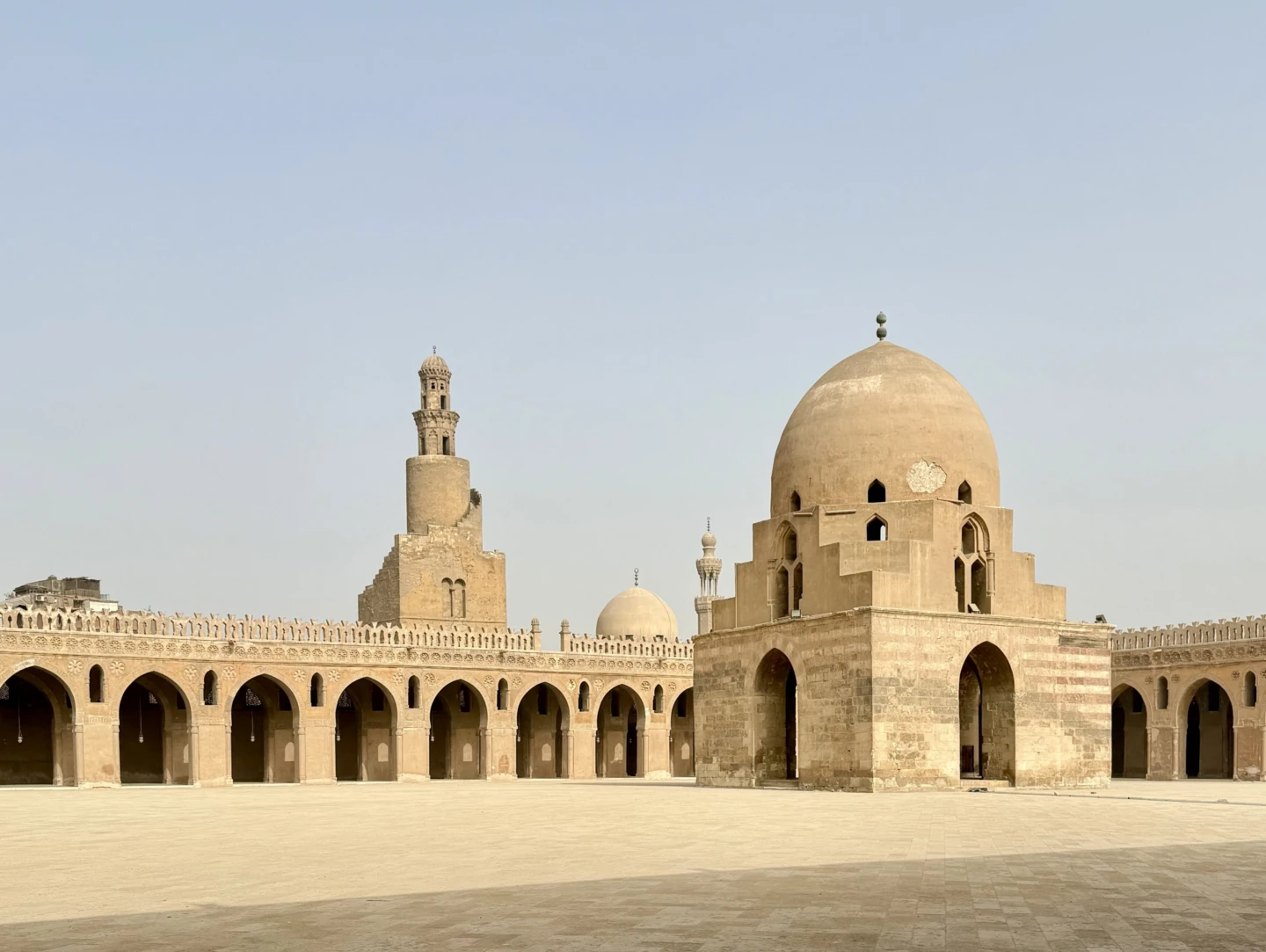
Ibn Tulun Mosque, 879 © Eva Lo
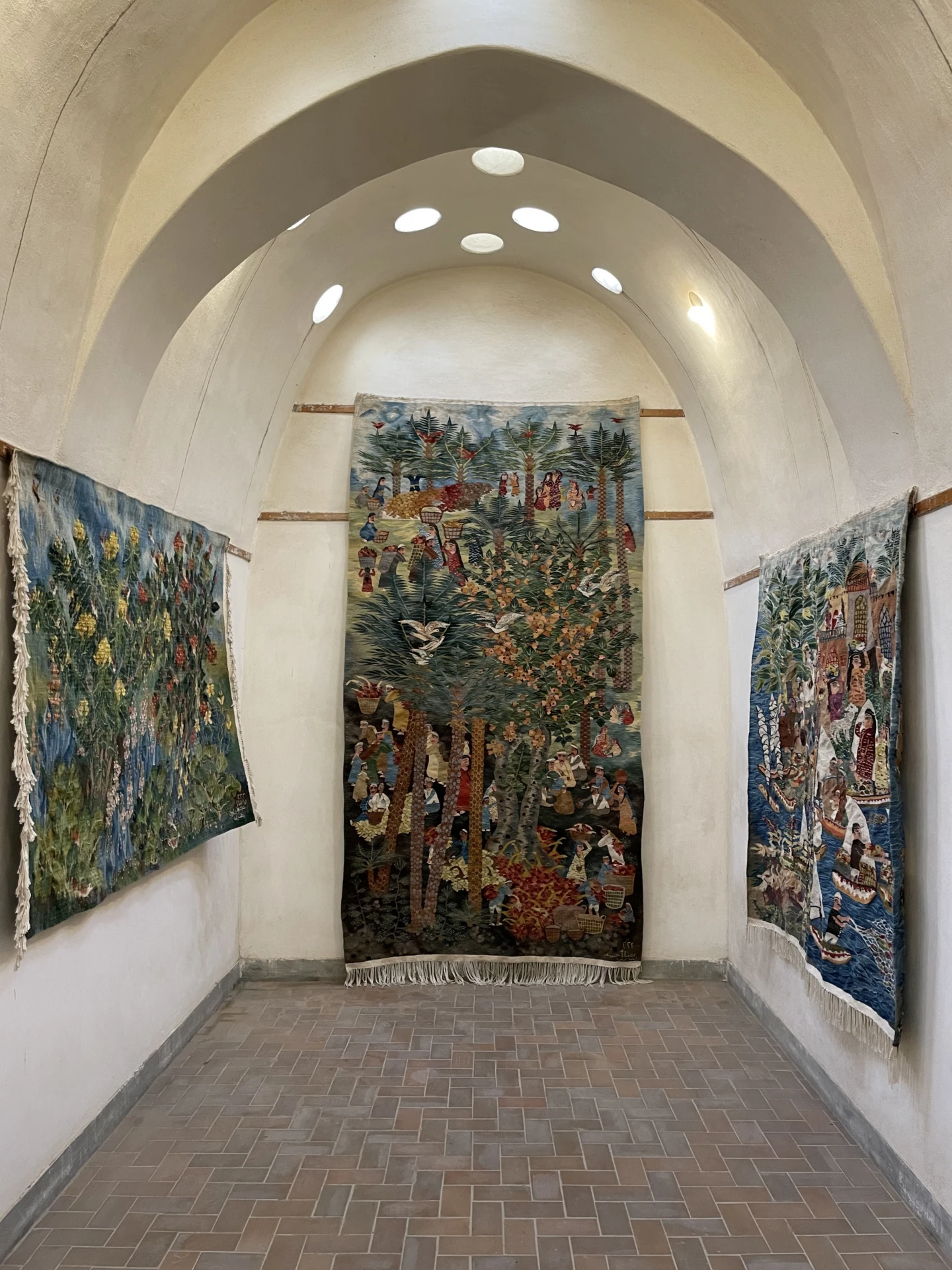
Art Center, Ramses Wissa Wassef 1951 © Mira De Cleen
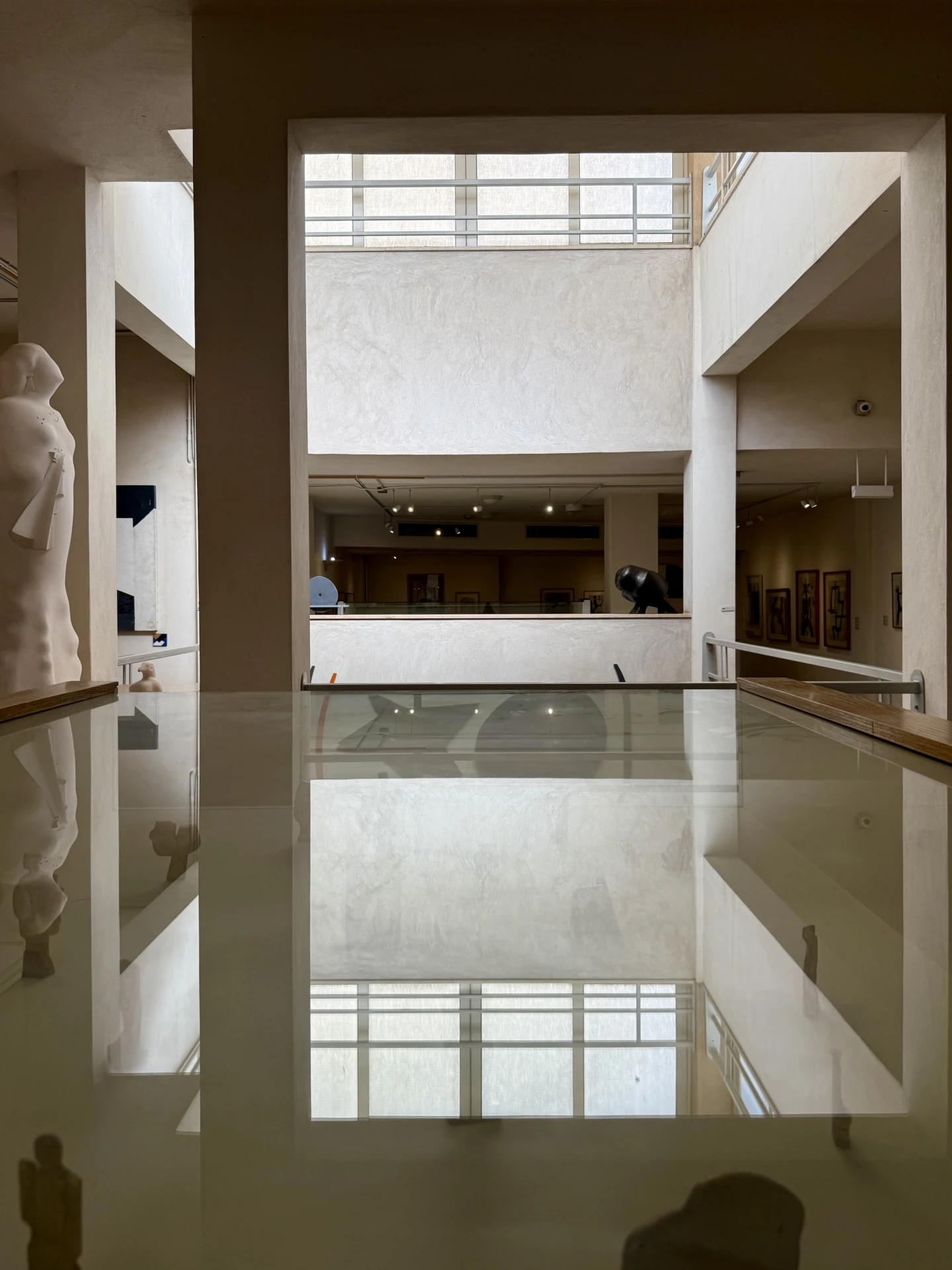
Adam Henein Museum 2014 © Eva Lo
your trip guidance
Mira De Cleen
Mira combines curating architecture trips at planopli with her work as an architect in Antwerp. Driven by a strong interest in space, visual culture and film, she volunteers at two arthouse cinemas, where architecture and cinematography meet.
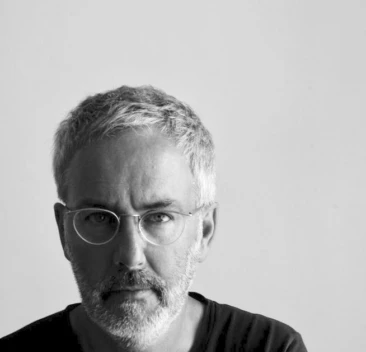
Dirk De Meyer
Dirk is professor emeritus of architectural history at Ghent University. He is co-founder of the Ghent Urban Studies Team and specializes in European architectural history. In addition to his academic career, he is active as an author, curator, and speaker.