bathed in precious light
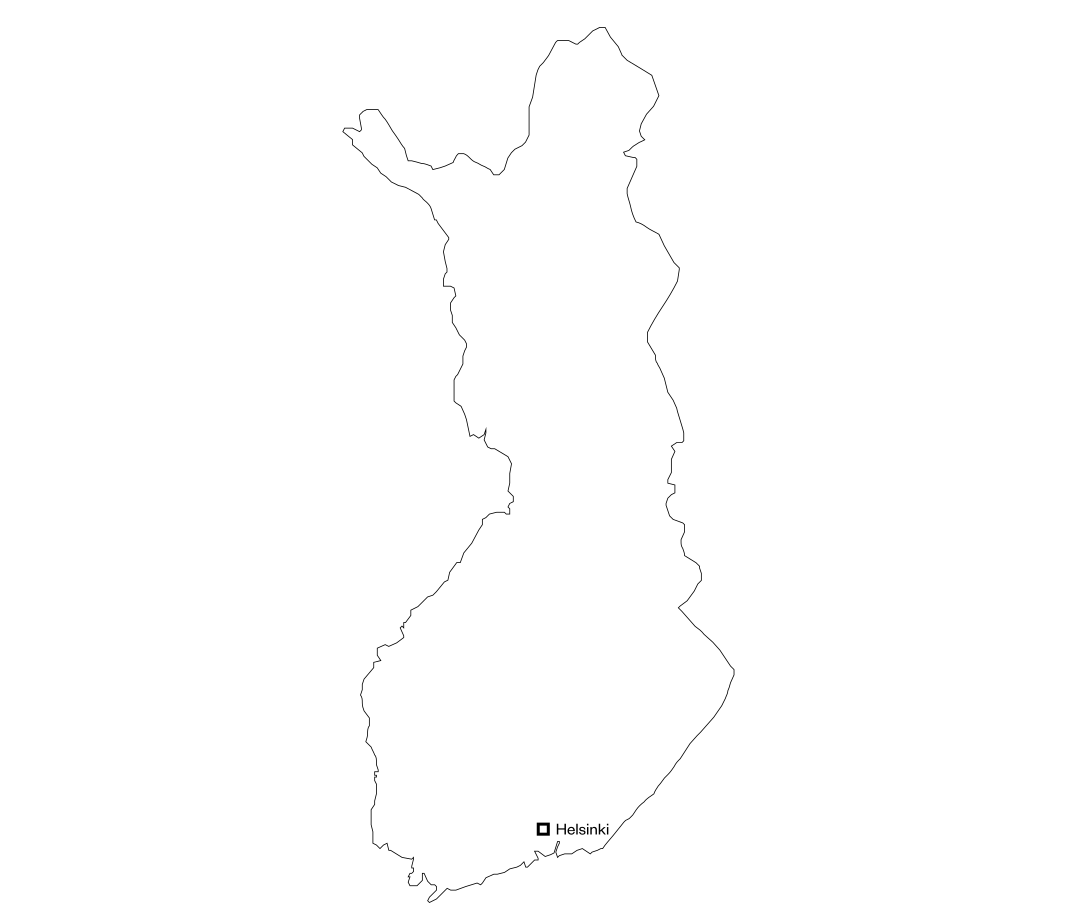
HELSINKI

-
travel dates
17.02 — 21.02.27
-
price
from € 2,950
-
sign up
until 30.10.2026
-
vertrek vanuit
Brussels Zaventem
- reserve your place
We should work for simple, good undecorated things, but things which are in harmony with the human being and organically suited to the little man in the street.
Helsinki provides a particularly interesting setting for discovering Finnish architecture and design culture. The city has a very distinctive design tradition, in which architecture is closely linked to its geographical and social context. Northern light, proximity to the sea, and the strong presence of nature have helped shape the way building is done here. In February, we discover Helsinki in the depths of winter. Temperatures generally hover around or below zero, and snow and ice are possible. The low winter light gives the city a special atmosphere, making the contrast between the cold outdoor space and the carefully designed interiors even more palpable.
During this trip, we follow the evolution of this design mindset across several generations. A key starting point is the work of Alvar Aalto, who gave international modernism a distinctive, humanistic interpretation. In response to a strictly rational approach, he championed an architecture in which the user’s experience and well-being also occupy a central place. Building, interior, and furniture were thus conceived from a single coherent vision. His work therefore not only offers insight into an important period in Finnish architectural history, but also serves as a reference for understanding later developments.
From this modernist legacy, we turn our gaze to Helsinki itself. The city has a rich tradition of public architecture and shows how buildings can actively contribute to urban life. Kiasma and Amos Rex are two striking examples. Although the two museums were designed according to very different architectural approaches, each explores the relationship between cultural institution and public space. They show how museum architecture can go beyond housing a collection and help shape the way a city is used and experienced.
Contemporary Finnish architecture also plays an important role in the programme. In the work of firms such as JKMM, we see how established design principles are translated into today’s social and ecological challenges. New programmes and changing uses call for flexible, future-oriented buildings, while sustainability is increasingly becoming an integral part of the design process. The result is an interesting dialogue between Finnish architectural heritage and a new generation of designers who draw inspiration from it in their own way.
In Helsinki, architecture can hardly be separated from design. Finland has an exceptionally strong design history, in which the boundary between building, interior, and object is often deliberately explored. The same care devoted to designing a space is also found in furniture, lighting, and everyday objects. By also studying this design dimension during the trip, we gain a broader picture of Finnish design practice and the cultural value placed on craftsmanship and quality.
Another perspective on this culture is offered by the Finnish sauna. What in Finland is a natural part of everyday and social life is, from an architectural perspective, a particularly interesting typology. The sequence of spaces, the choice of materials, and the transition between interior and exterior directly determine the experience. At the same time, the sauna brings together architecture, nature, and ritual, and shows how spatial design can also contribute to calm, encounter, and well-being.
highlights
Villa Aalto and the Aalto Studio offer a special insight into the living and working environment of Alvar and Aino Aalto, as well as their holistic approach to architecture and design.
A visit to Vuokko Nurmesniemi brings us closer to the Finnish textile and design tradition, as well as to a generation of designers who made an important contribution to the international reputation of Finnish Design.
During a private visit to Studio Kukkapuro, we discover the exceptional living and working place of Yrjö and Irmeli Kukkapuro and the context in which much of their work was created.
A shared dinner at Savoy is a special encounter between gastronomy and architecture. The historic interior designed by Aino and Alvar Aalto makes this restaurant a natural stop on our exploration of Finnish modernism.
In addition to the content programme, there is plenty of time left to discover Helsinki at a pleasant pace. Two carefully selected dinners provide moments for meeting and exchange, while the free time allows you to continue exploring the city independently.

Otaniemi University, Alvar Aalto 1949 © Klaske Havik
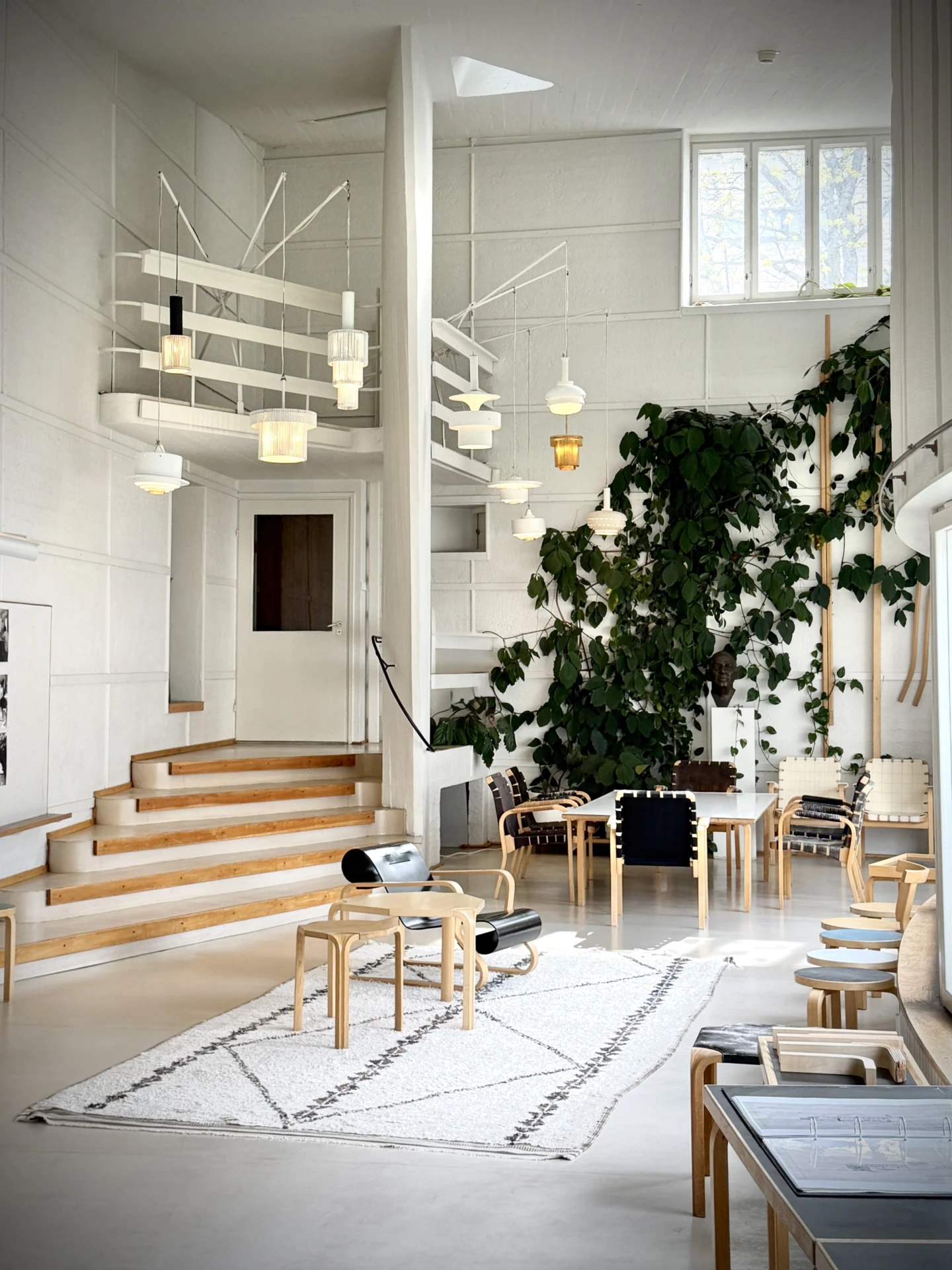
Aalto Studio, Alvar Aalto 1955 © Dominique Pieters
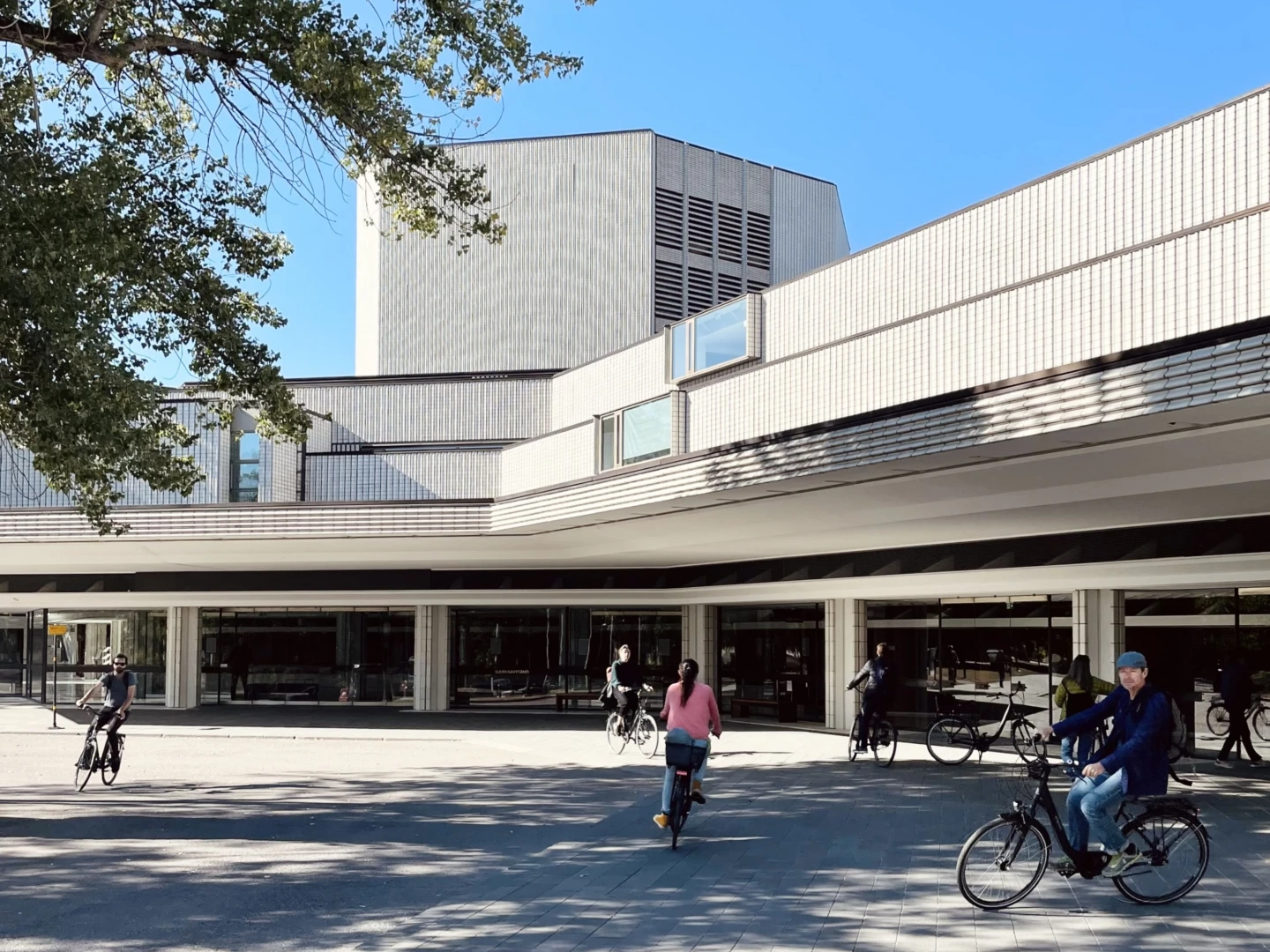
Helsinki City Theatre, Timo Penttilä 1965 © Jens Pemen
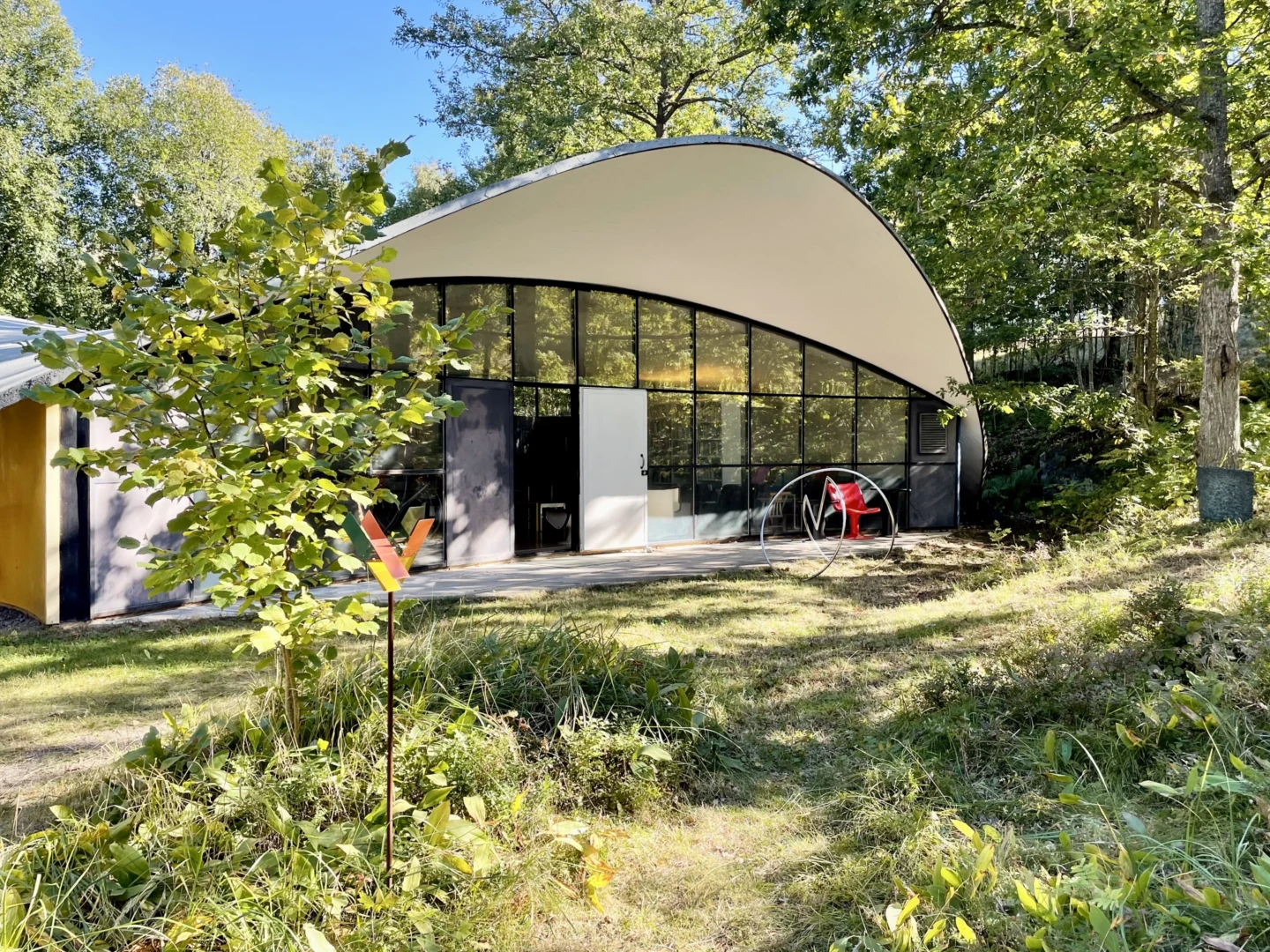
Studio Kukkapuro, Yrjö Kukkapuro 1969 © Jens Pemen
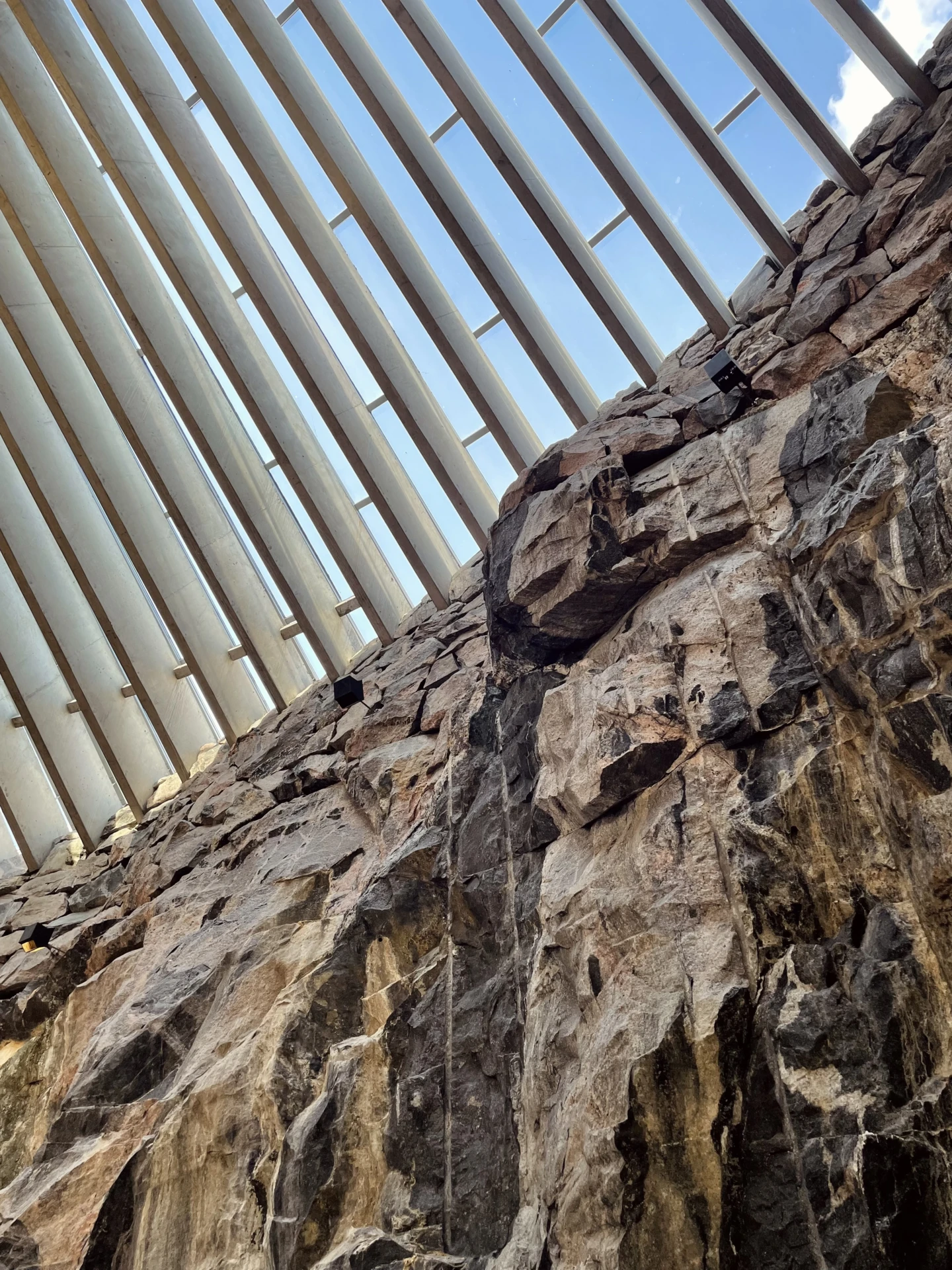
Temppeliaukio Church, Suomalainen 1969 © Jens Pemen
more photos
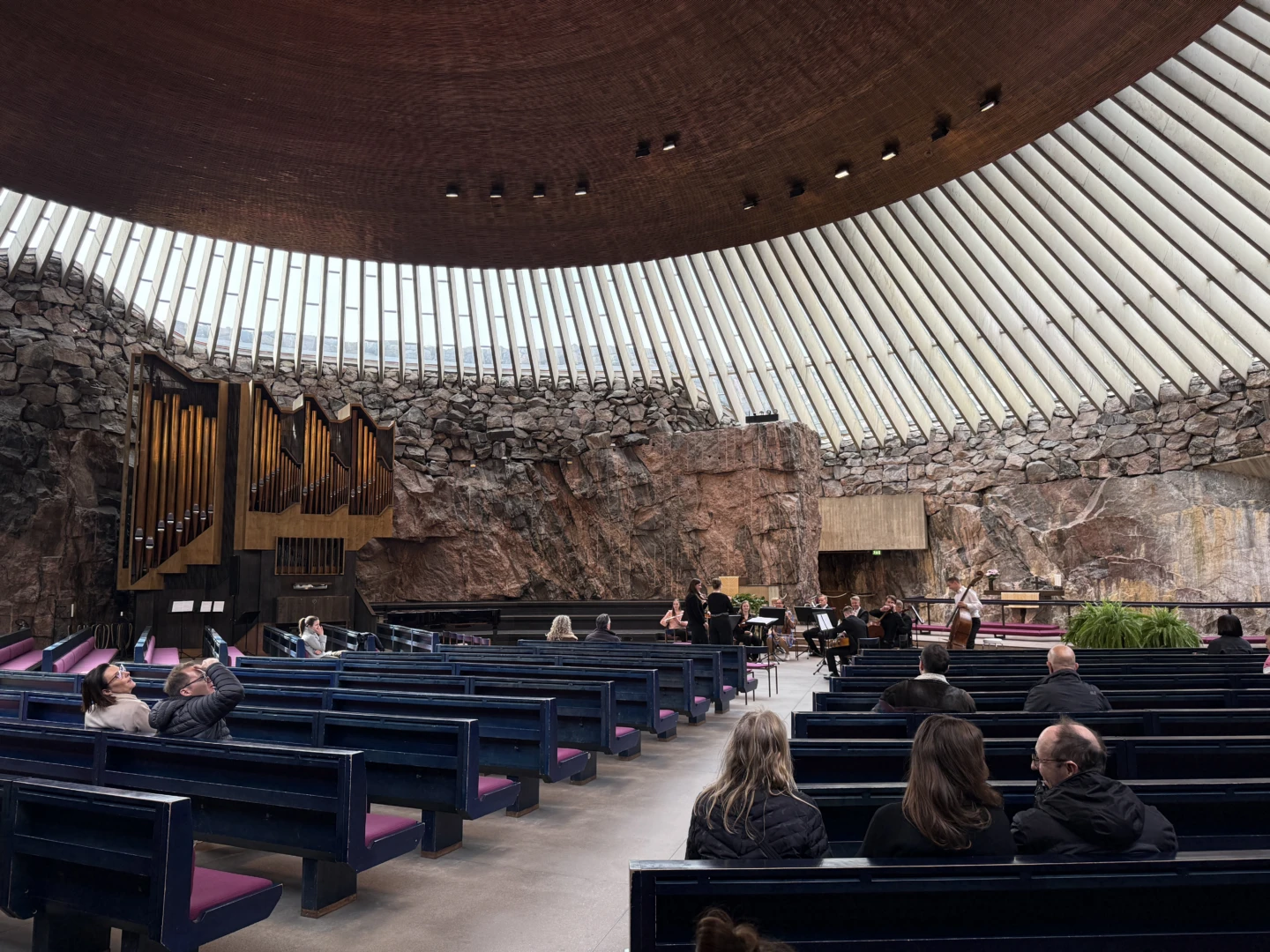
Temppeliaukio Church, Suomalainen 1969 © Dominique Pieters

© Savoy

Alvar Aalto, 1952-1958 © Arnout Fonck

Amos Rex, JKMM Architects 2018 © Dominique Pieters
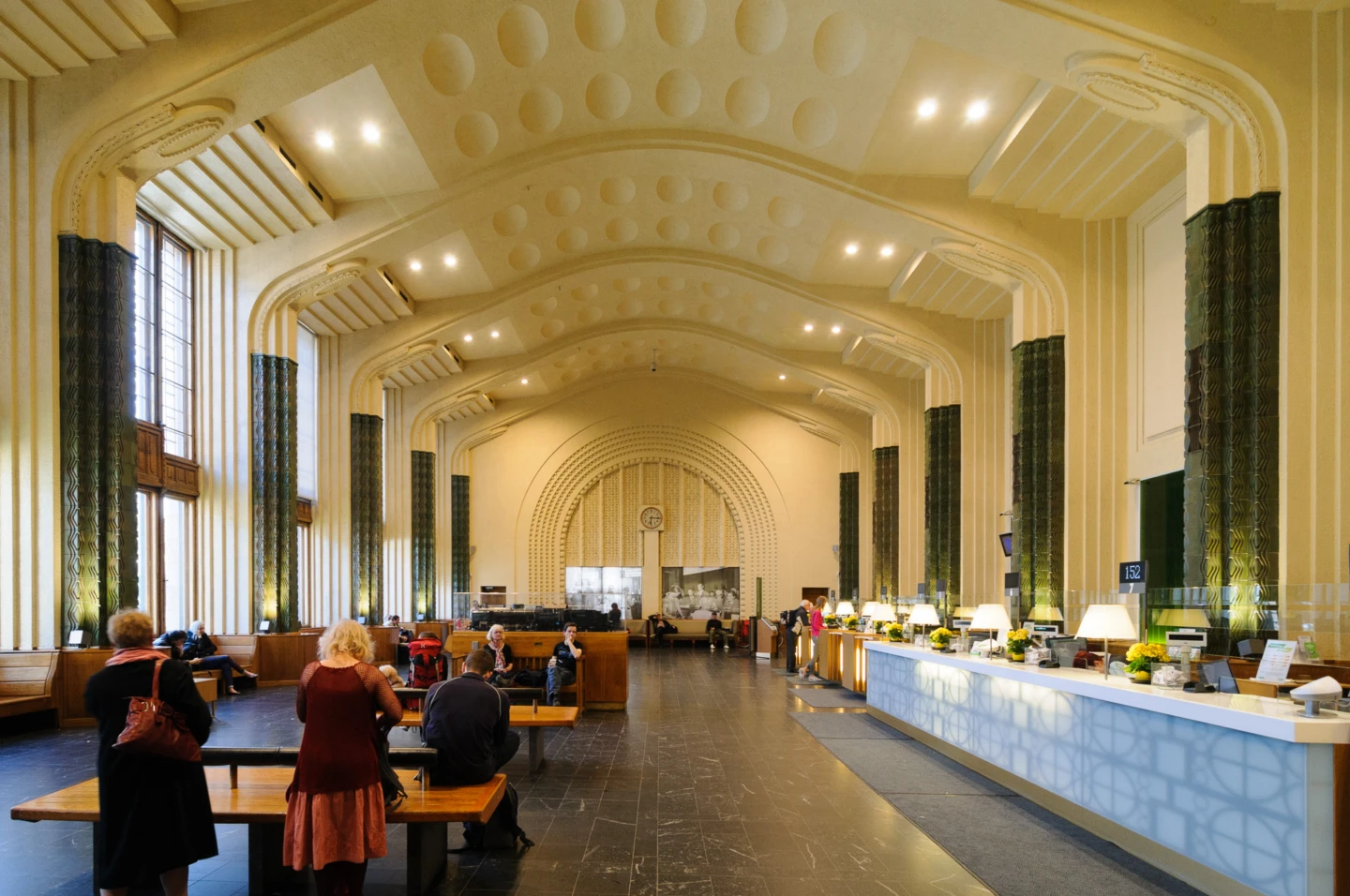
Eliel Saarinen, 1909-1919 © Arnout Fonck
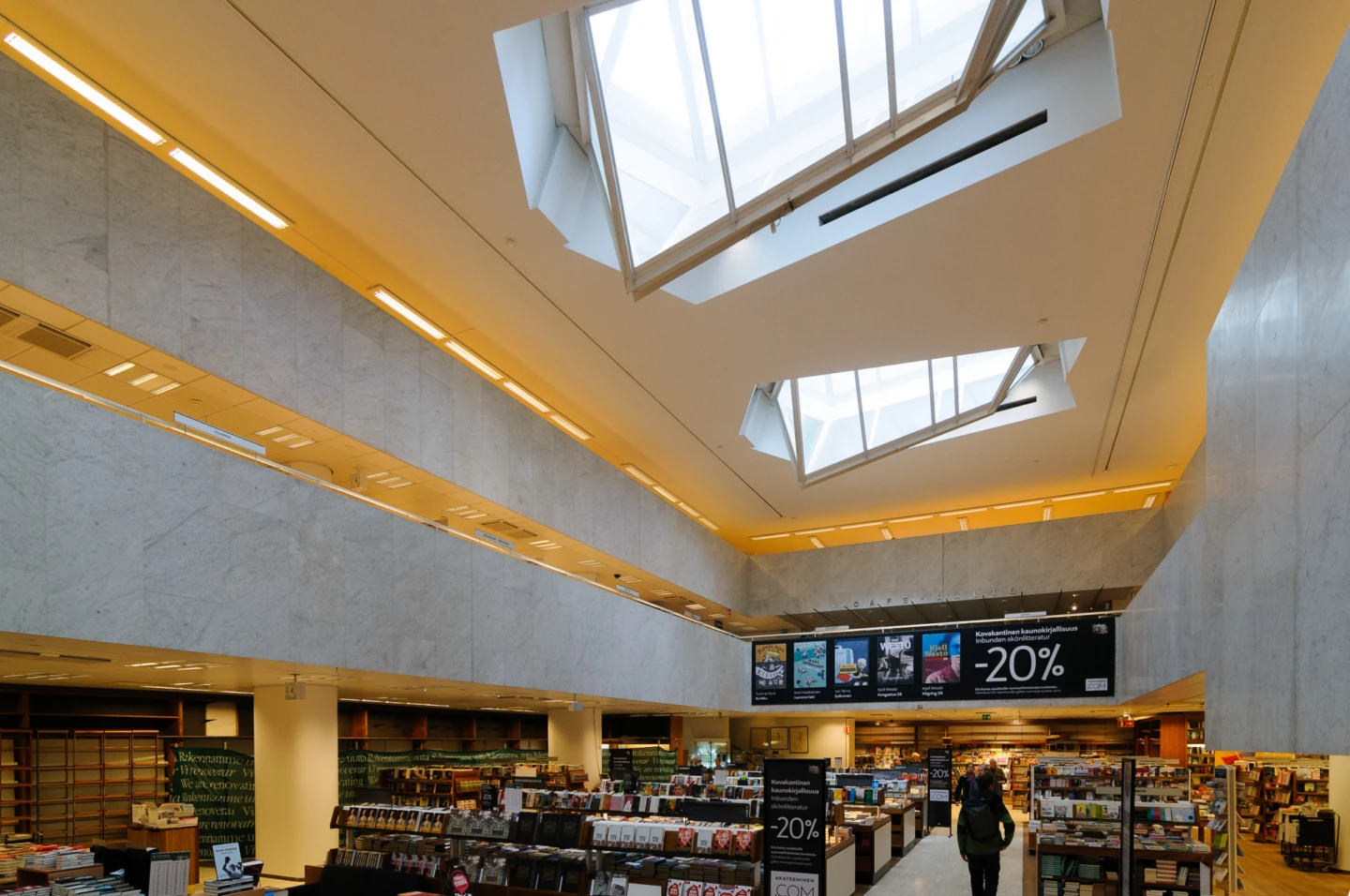
Alvar Aalto, 1962 © Arnout Fonck
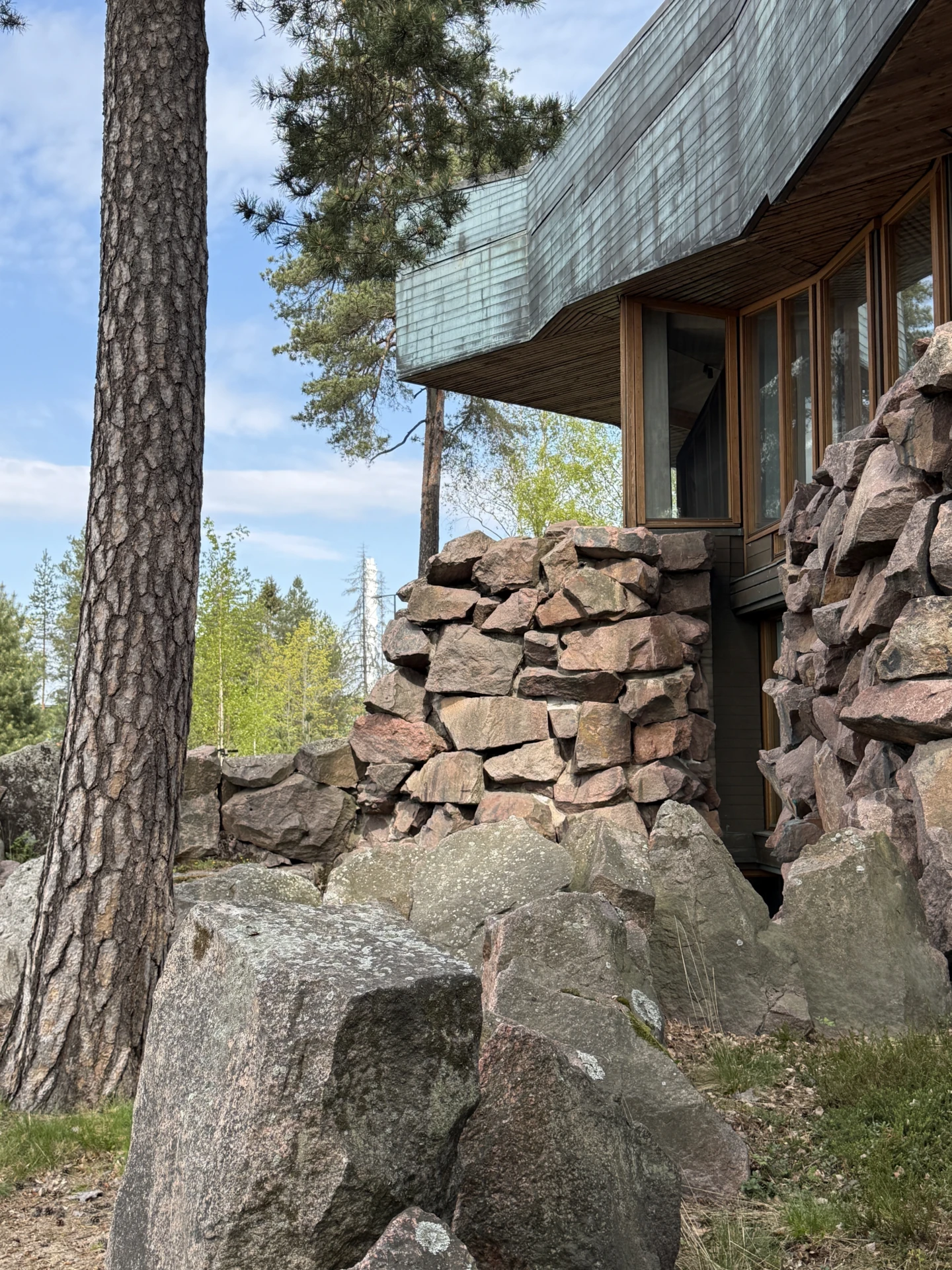
Dipoli Center, Reima & Raili Pietilä 1966 © Dominique Pieters

Studio Kukkapuro, Yrjö Kukkapuro 1969 © Jens Pemen

Oodi Library, ALA Architects 2018 © Dominique Pieters
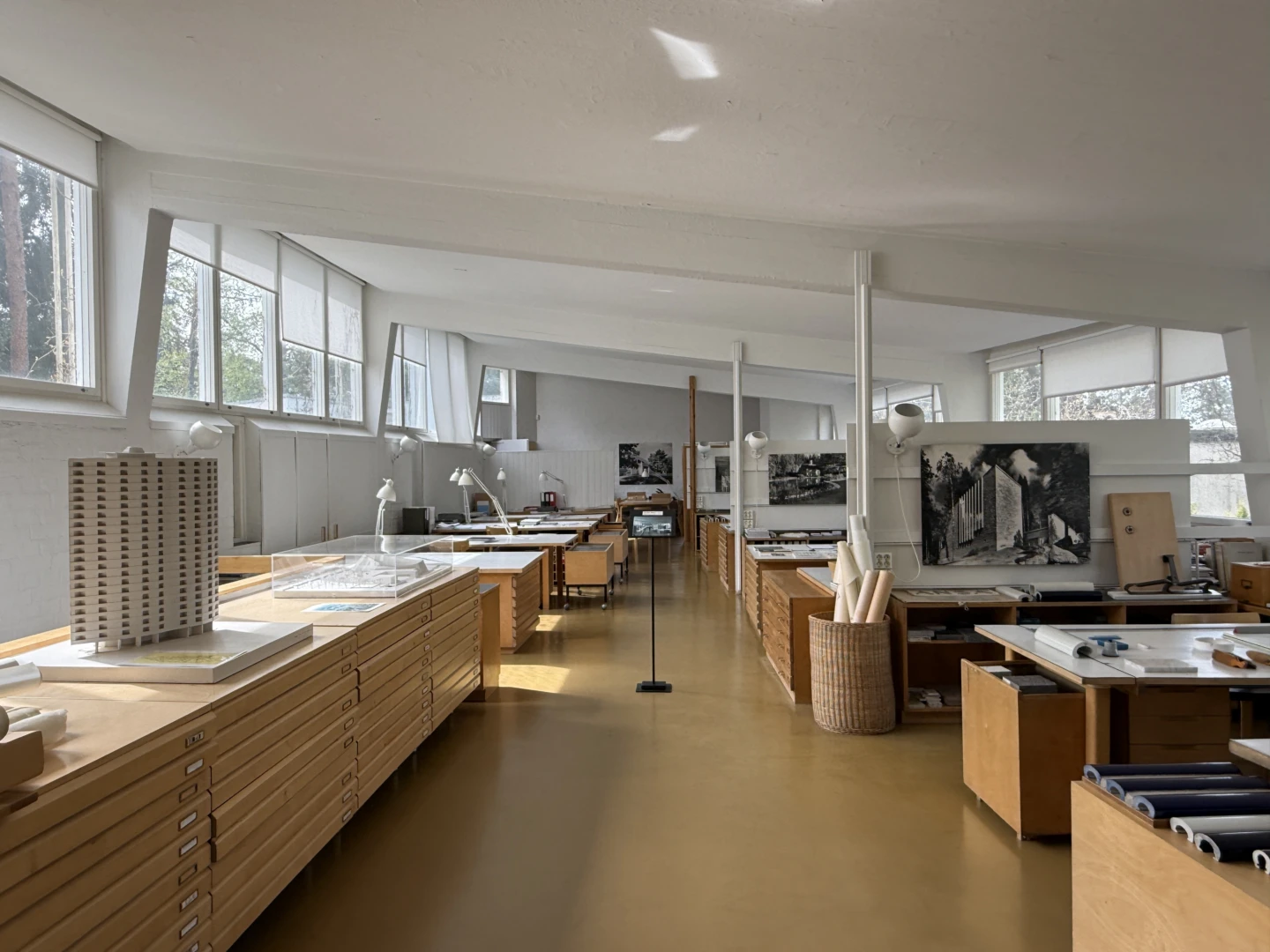
Aalto Studio, Alvar Aalto 1955 © Dominique Pieters
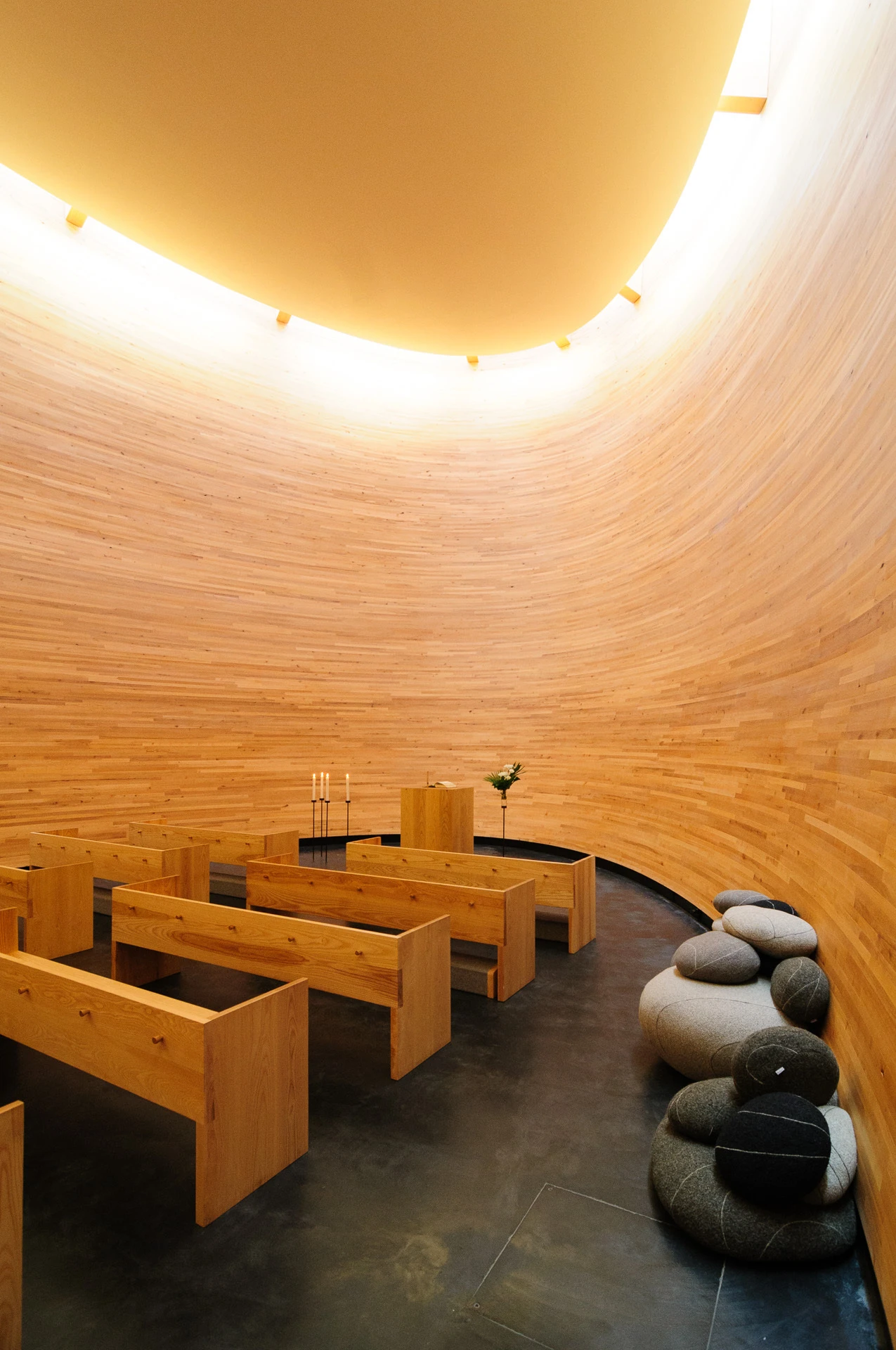
K2S Architects, 2008-2012 © Arnout Fonck

Otaniemi University, Alvar Aalto 1949 © Dominique Pieters
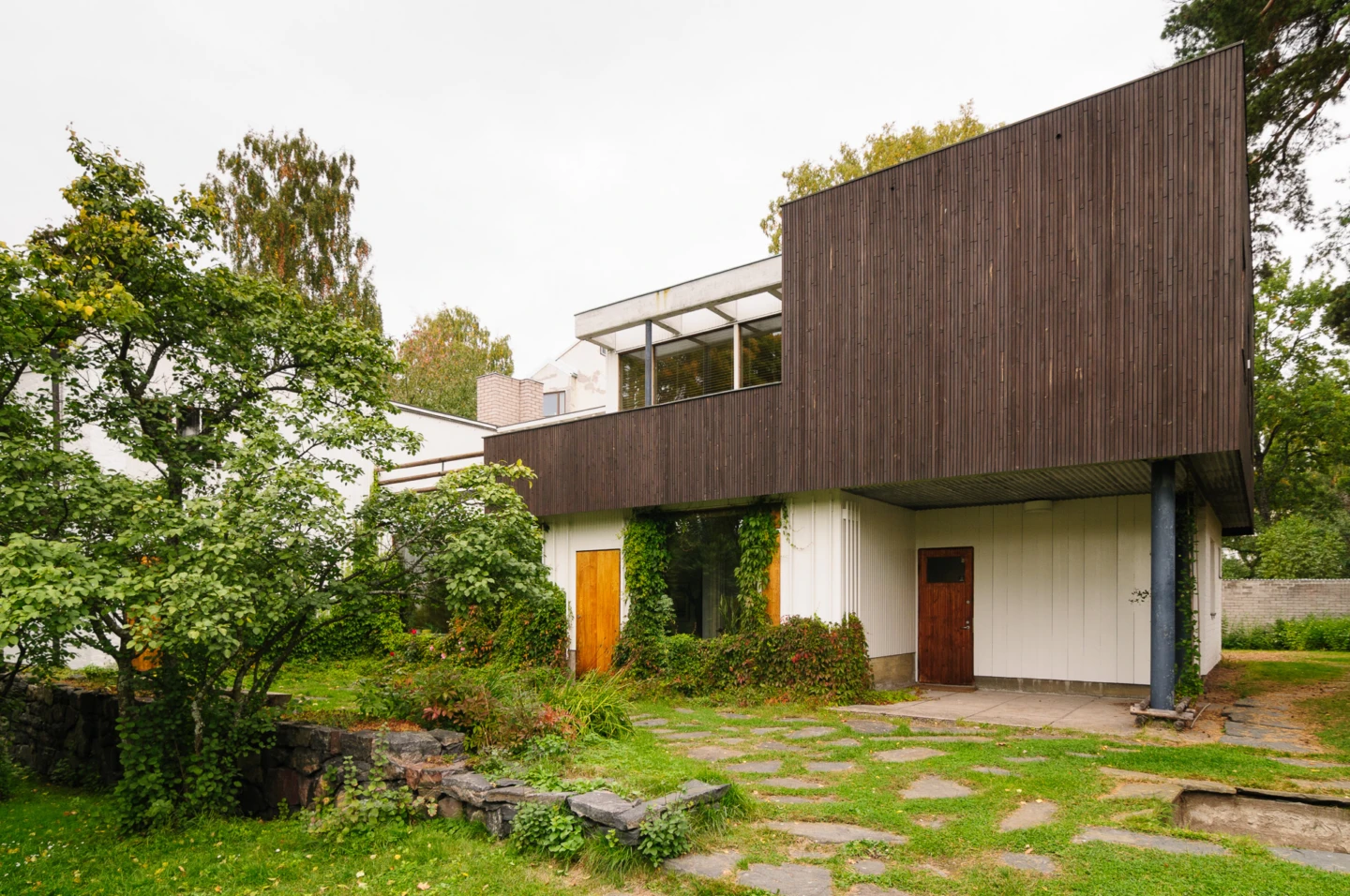
Alvar Aalto, 1934-1936 © Arnout Fonck

Eliel Saarinen, 1909-1919 © Arnout Fonck

Uniarts, JKMM architects 2021 © Dominique Pieters

Alvar Aalto, 1949-1963 © Arnout Fonck
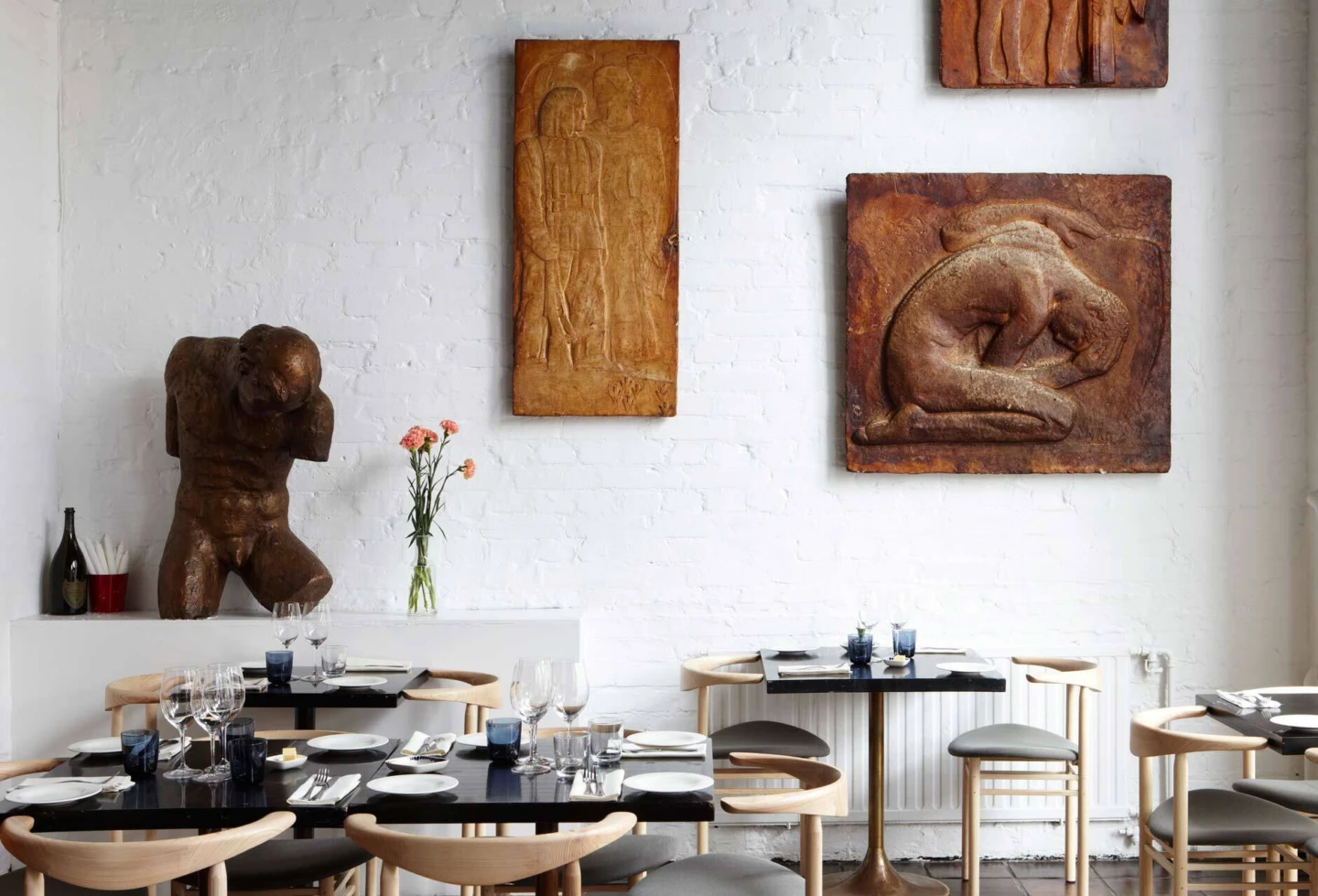
Ateljé Finne © Ateljé Finne
your trip guidance
Jarnie T'Jonck
Jarnie began her professional career as an interior architect in Belgium. Driven by her passion for travel and cultural discovery, she moved to Portugal and now lives in France, where she curates travel in Southern Europe with a refined eye.
Dominique Pieters
Dominique is the founder and creative director of planopli. She is an architect by training, author, and architecture journalist for (inter)national magazines. Previously, she was artistic director of Archipel and taught at TU Delft and KU Leuven.