the poetic detail
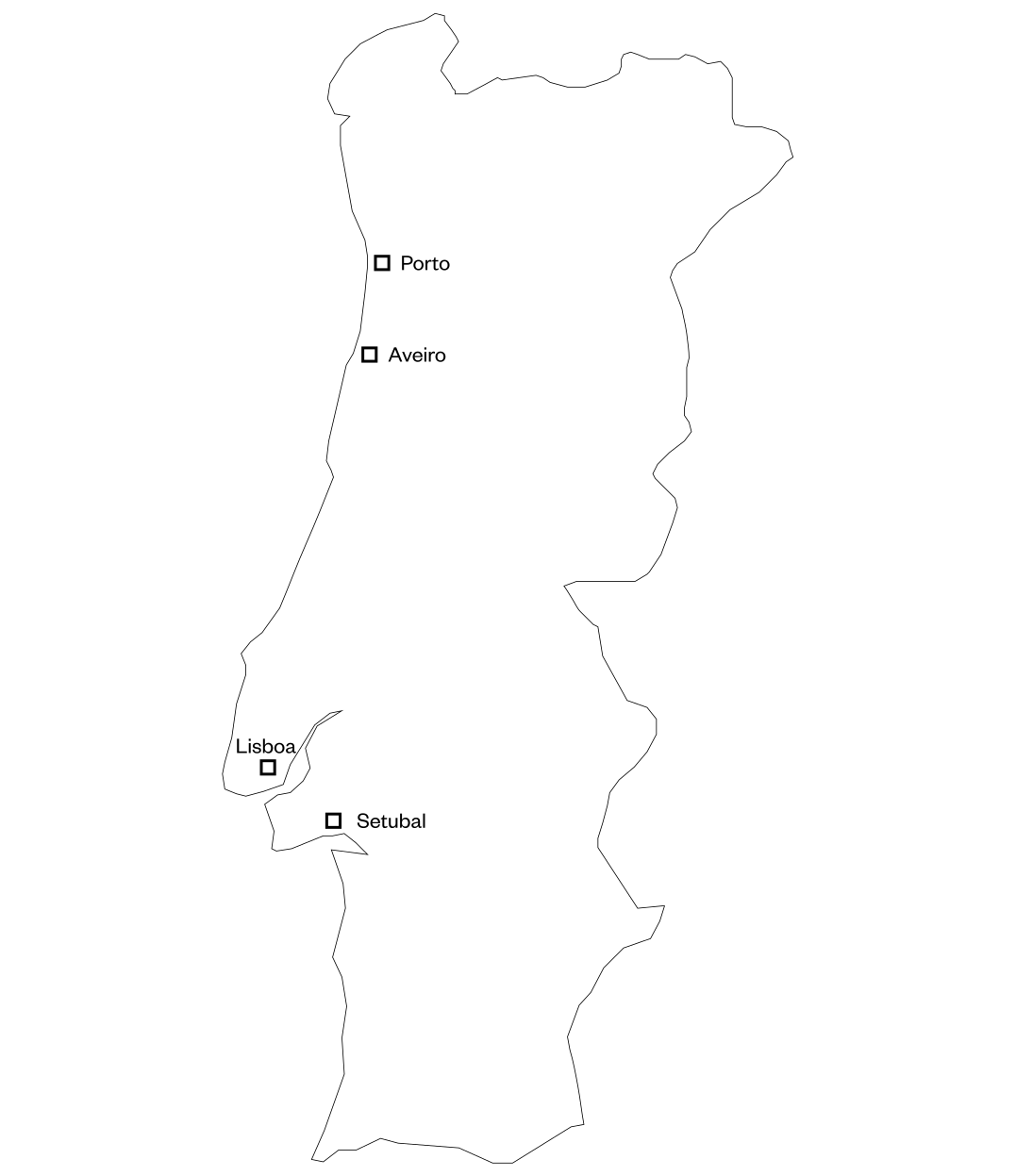
LITORAL WITH LISBON

-
travel dates
19.05 — 29.05.27
-
price
from € 4,800
-
sign up
until 22.01.2026
-
vertrek vanuit
Brussels Zaventem
- reserve your place
Drawing architecture is a 'schizoid' act: it means reducing the world to a piece of paper.
Along the Atlantic coast, in historic cities and quiet villages, we discover an architecture rooted in centuries-old crafts and materials, yet at the same time receptive to contemporary experiments and international influences. Time and again it is the detail, a joint, a shadow, a material, that carries the grand gesture. This journey offers a unique opportunity to discover Portuguese architecture of the past decades.
Porto is the heart of the 'School of Porto', an architectural tradition that has revolved since the mid-20th century around the same guiding principle: buildings as a continuous dialogue with their surroundings, tradition and human scale. Founder Fernando Távora gave shape to this vision; Pritzker Prize winners Álvaro Siza and Eduardo Souto de Moura further developed it into a recognizable poetry of detail: monumental presence combined with subtle, considered simplicity, down to every material and every joint. A younger generation, such as Fala Atelier and depA Architects, continues this attention to precision and materiality — proof that this architectural culture remains vibrantly alive.
Outside the city, that same sensitivity is tested by landscape, heritage and infrastructure. It is precisely in the detail that Siza and Souto de Moura find the answer there: a careful, almost craft-like approach to construction that shows how a building can build on the character of a place without lapsing into regionalism. A younger generation, including Spaceworkers and atelier local, translates this tradition into current themes such as sustainability and materiality.
Lisbon places that same attention to the small gesture in an international context. Since the urban transformation around Expo '98, with work by, among others, Santiago Calatrava and Álvaro Siza, the city has increasingly become part of the global architectural debate without losing the precision of detail. Cultural institutions and residential projects by architects such as Kengo Kuma and Aires Mateus show how that precision continues to shape new public and urban landscapes today.
South of Lisbon, the focus shifts to housing, care and education. Quinta da Malagueira by Siza remains a reference point in the debate on social housing, while Aires Mateus shows how a thoughtful approach to space and light also creates high-quality living environments on a smaller scale. In Comporta, which over the past two decades has grown into an international reference point for residential architecture, private projects by, among others, Vincent Van Duysen intertwine every detail with landscape and way of life.
highlights
On the edge of the ocean, Aires Mateus cloaks the Museu do Farol de Santa Marta in radiant white, as if light itself had solidified into architecture — a quiet counterpart to the lighthouse it protects.
Light does not simply enter there, it is composed... In the open work Mosteiro de Leça do Balio in Matosinhos, Siza shows how architecture can speak without shouting.
Two gestures, one moment: Siza's floating Pavilhão de Portugal next to Calatrava's Gare do Oriente — Lisbon's ode to constructive precision and poetic lightness.
Between the pine trees and dunes of Comporta, private homes, such as this one by Vincent Van Duysen, merge with the landscape — architecture that is not imposed on nature, but becomes one with it.

Museo do Farol de Santa Marta, Aires Mateus 2007 © planopli

Mosteiro de Leça do Balio, Alvaro Siza Vieira 2016 © planopli

Casa M, Vincent Van Duysen 2019 © planopli
more photos
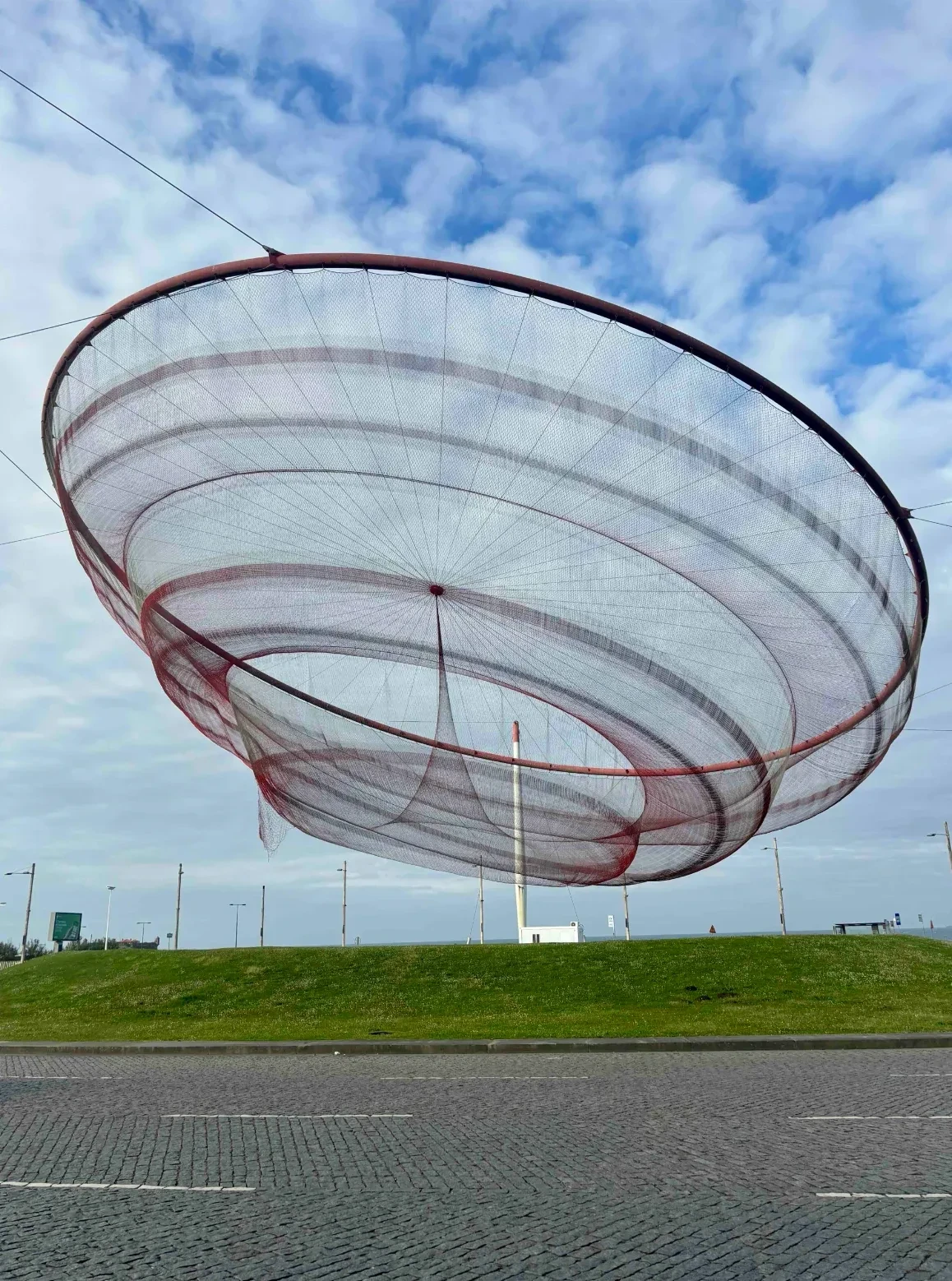
She Changes, Janet Echelman 2005 © planopli
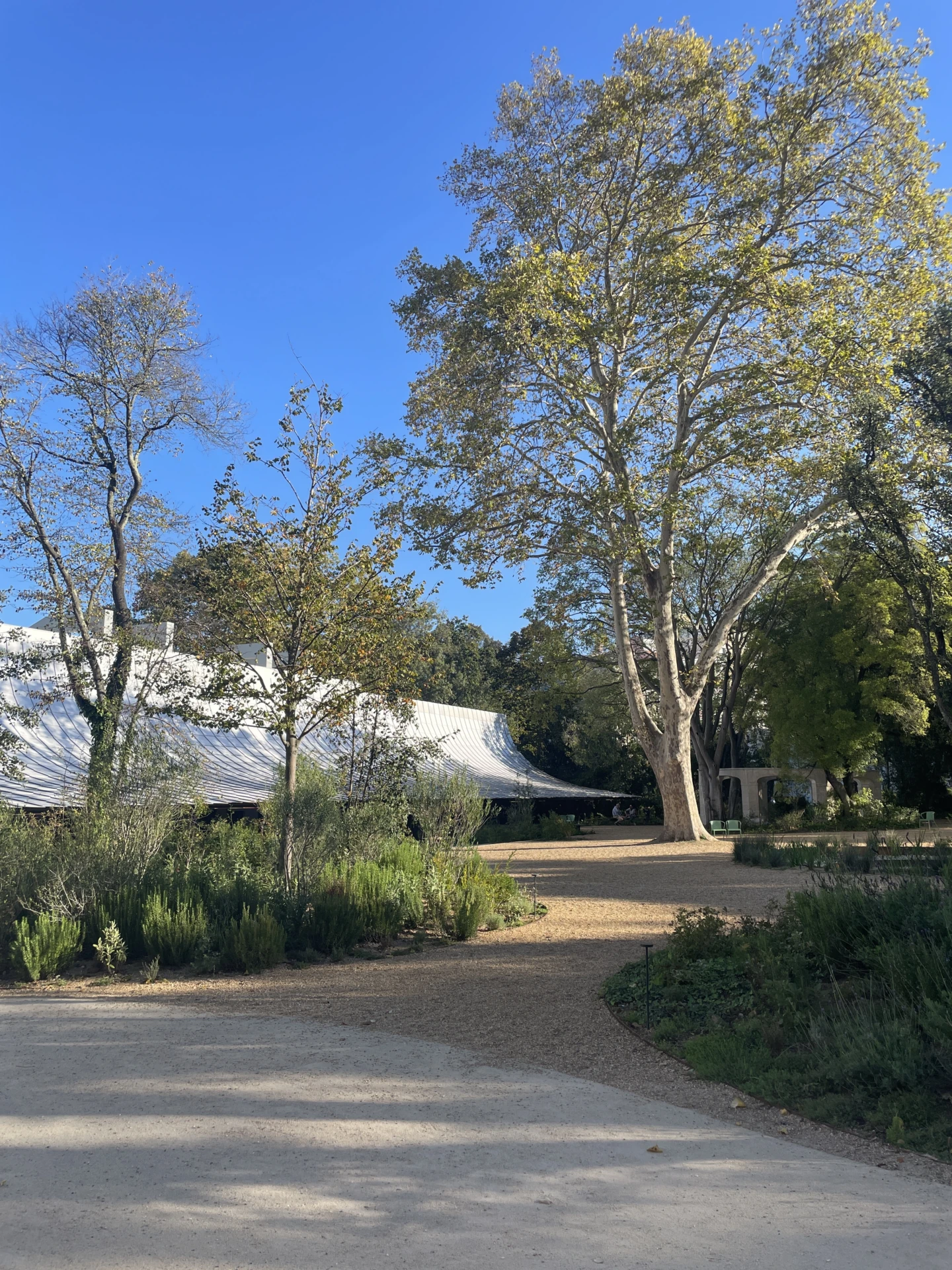
Centro de Arte Moderna Gulbenkian, Kengo Kuma 2024 © Eva Lo
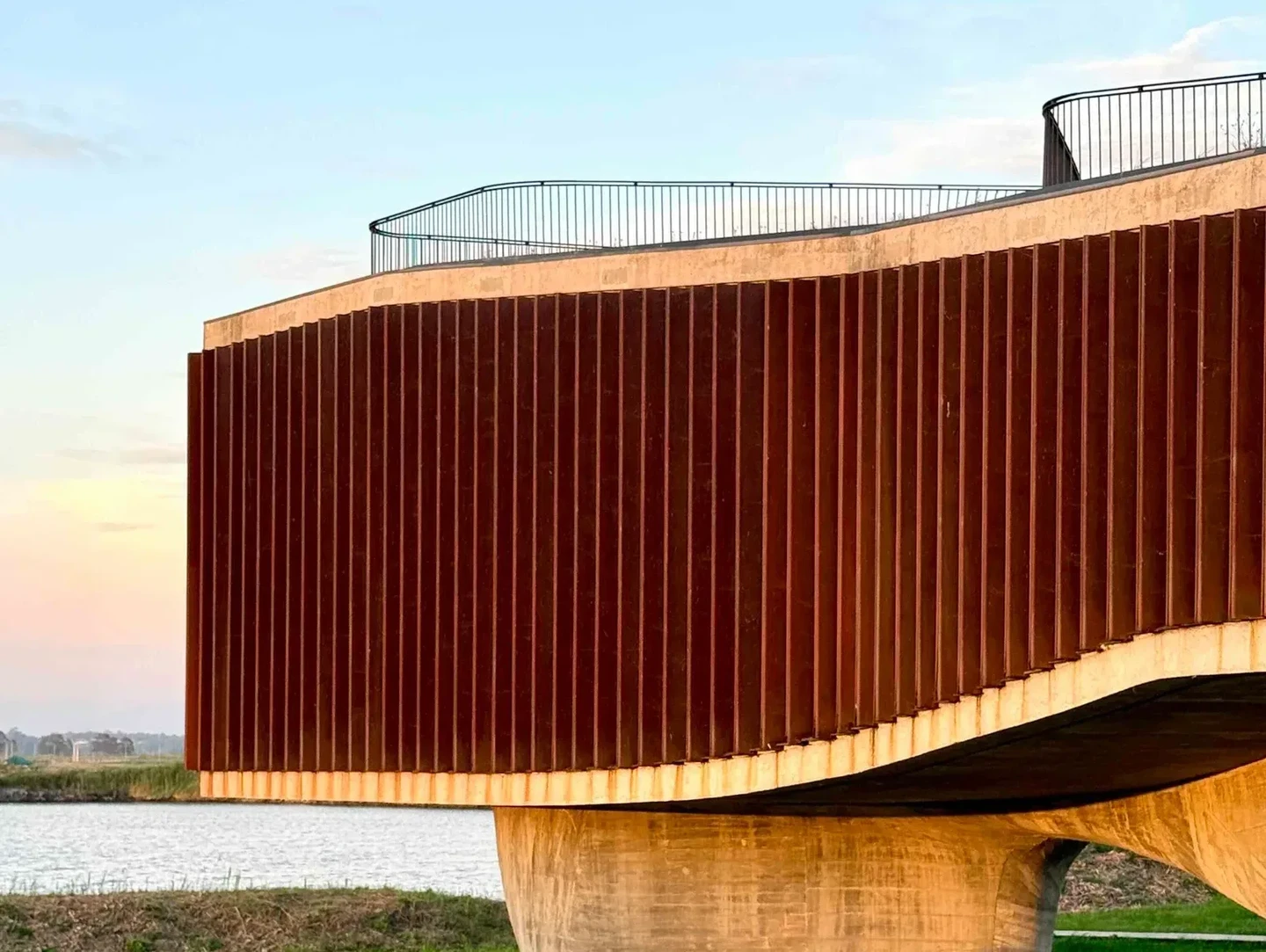
Centro Municipal de Interpretação Ambiental, Costa & Célia Gomes 2016 © planopli

Energia de Portugal HQ, ELEMENTAL 2024 © planopli

Champalimaud Foundation, Charles Correa 2011 © planopli
your trip guidance
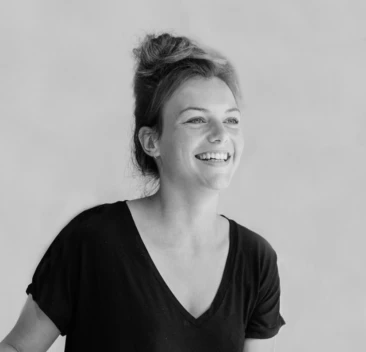
Jarnie T'Jonck
Jarnie began her professional career as an interior architect in Belgium. Driven by her passion for travel and cultural discovery, she moved to Portugal and now lives in France, where she curates travel in Southern Europe with a refined eye.
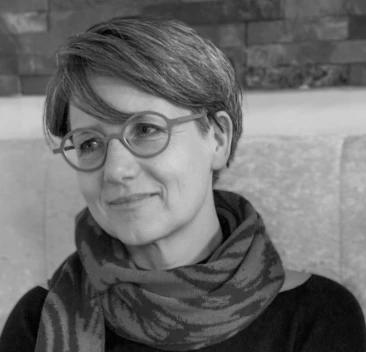
Dominique Pieters
Dominique is the founder and creative director of planopli. She is an architect by training, author, and architecture journalist for (inter)national magazines. Previously, she was artistic director of Archipel and taught at TU Delft and KU Leuven.