Meandering from Ancient to Futurism
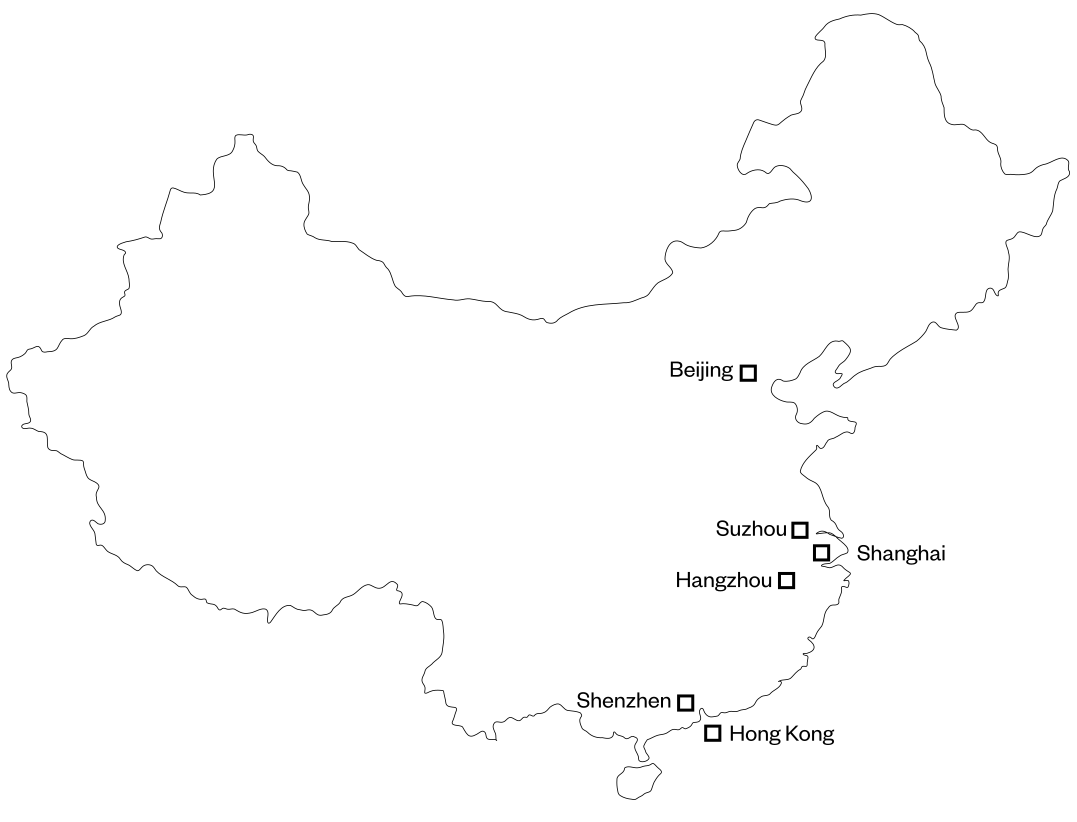
FROM BEIJING TO HONG KONG

-
type of trip
round trip
-
ideal duration
14 days
-
recommended period
April - May
September - November - schedule a conversation
No building should ever be completely finished. There should always be some room left for people’s interpretation.
From imperial axes and city walls to towers that reach the clouds: Chinese architecture is constantly moving between memory and acceleration. Rapid urbanization and the loss of heritage compel new answers to old questions about material, craftsmanship, public space, and the relationship between landscape and city. This journey paints a current picture of architecture as a cultural practice, between ancient and futuristic.
The awarding of the Pritzker Architecture Prize to Liu Jiakun confirms the international visibility of a generation of designers who work not with style, but with method: reading context, using local resources, and making programs accessible. The earlier recognition of Wang Shu, co-founder of Amateur Architecture Studio, had already shown that contemporary architecture in China can start from memory, reuse, and building culture, rather than from the import of forms. In public discourse, attention also shifted from external representation to the domestic agenda, with cultural references and local knowledge regaining importance.
That tension between memory and innovation is nowhere more tangible than in the treatment of heritage. In Beijing, new cultural institutions relate to the age-old logic of axes, walls, and hierarchies that structured the city. Shanghai shows a different form of layering: modern heritage, commercial pressure, and adaptive reuse coexist along the banks of the Huangpu River. And in Jingdezhen, for centuries the heart of Chinese porcelain production, contemporary architecture connects that production history with a new museum identity.
Landscape and tradition also remain a living source. In the delta around Suzhou and Hangzhou, age-old garden traditions and waterscapes enter into dialogue with contemporary campuses, which compose routes, views, and materials with the same care as the gardens that preceded them.
Elsewhere, that same sensitivity takes on an urban scale. Shenzhen, symbol of rapid growth, shows how targeted, small-scale interventions can strengthen existing neighborhoods and public facilities. Regeneration not as replacement, but as intensification of what was already there.
Transport is most efficient by high-speed train between the major cities, combined with metro and bus within the metropolitan areas. For short distances, walking and shared mobility are suitable; taxis or ride-hailing services supplement late or peripheral journeys. In Shanghai, the bicycle is the preferred means of transport.
highlights
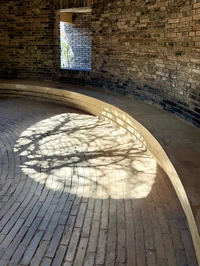
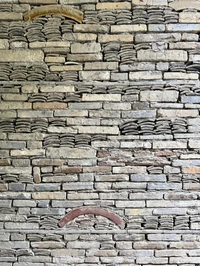
In Liangzhu, the Hangzhou National Archives complex reads as 'shan shui': pavilions among hills and water, behind screen walls of celadon ceramics. Solid, earthy volumes and light arcades alternate, guiding the gaze from filtered views to open vistas.
The Red Brick Art Museum in Beijing speaks one language: red brick, folded into sculptural walls and narrow slits of light. A garden, inspired by the traditional Chinese garden, extends the walk beyond the final gallery.
In Nantou Ancient City, a vanished 'urban village' is brought back to life street by street. URBANUS regenerated hundreds of buildings into new public spaces. Heritage not preserved, but inhabited.
Cycling along the Huangpu River, Shanghai unfolds as a cross-section through time: the historic Bund, silent industrial quays, and the museums of the West Bund cultural strip as beacons along an endless promenade.

Banbenguan National Archives, Amateur Studio 2022 © Eva Lo

Shanghai Grand Opera, Snohetta 2026 © Eva Lo
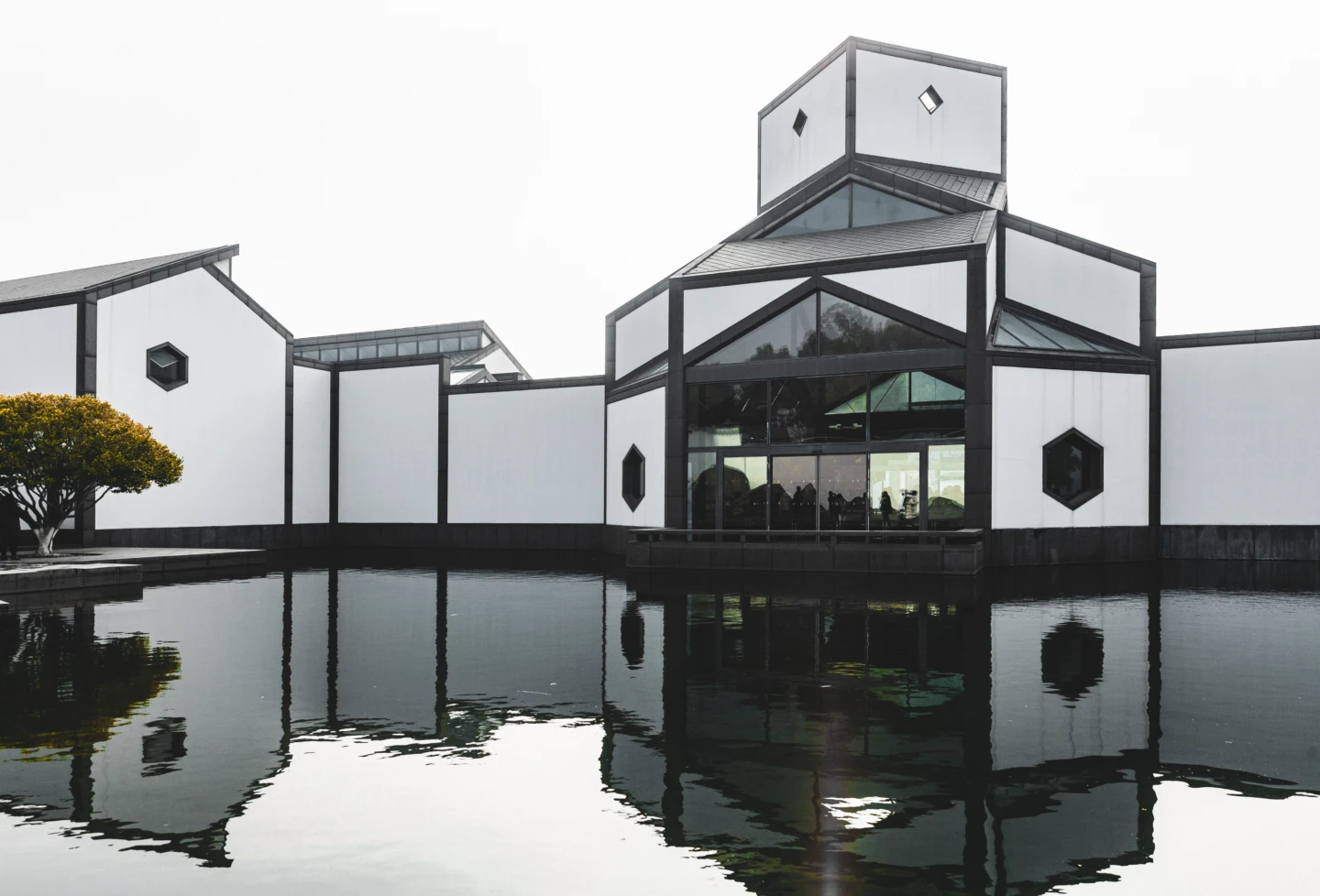
Suzhou Museum, IM PEI 2006 © Ziou Gao

Riverside Passage, Atelier Deshaus 2019 © Eva Lo
more photos

Verboden stad, 1420 © Ziou Gao

Long Museum, Atelier Deshaus 2014 © Eva Lo

Tai Kwun, Herzog de Meuron 2019 © Eva Lo

CCA Xiangshan Campus, Amateur Studio 2007 © Eva Lo

Master of the Nets Garden, 1174 © Eva Lo
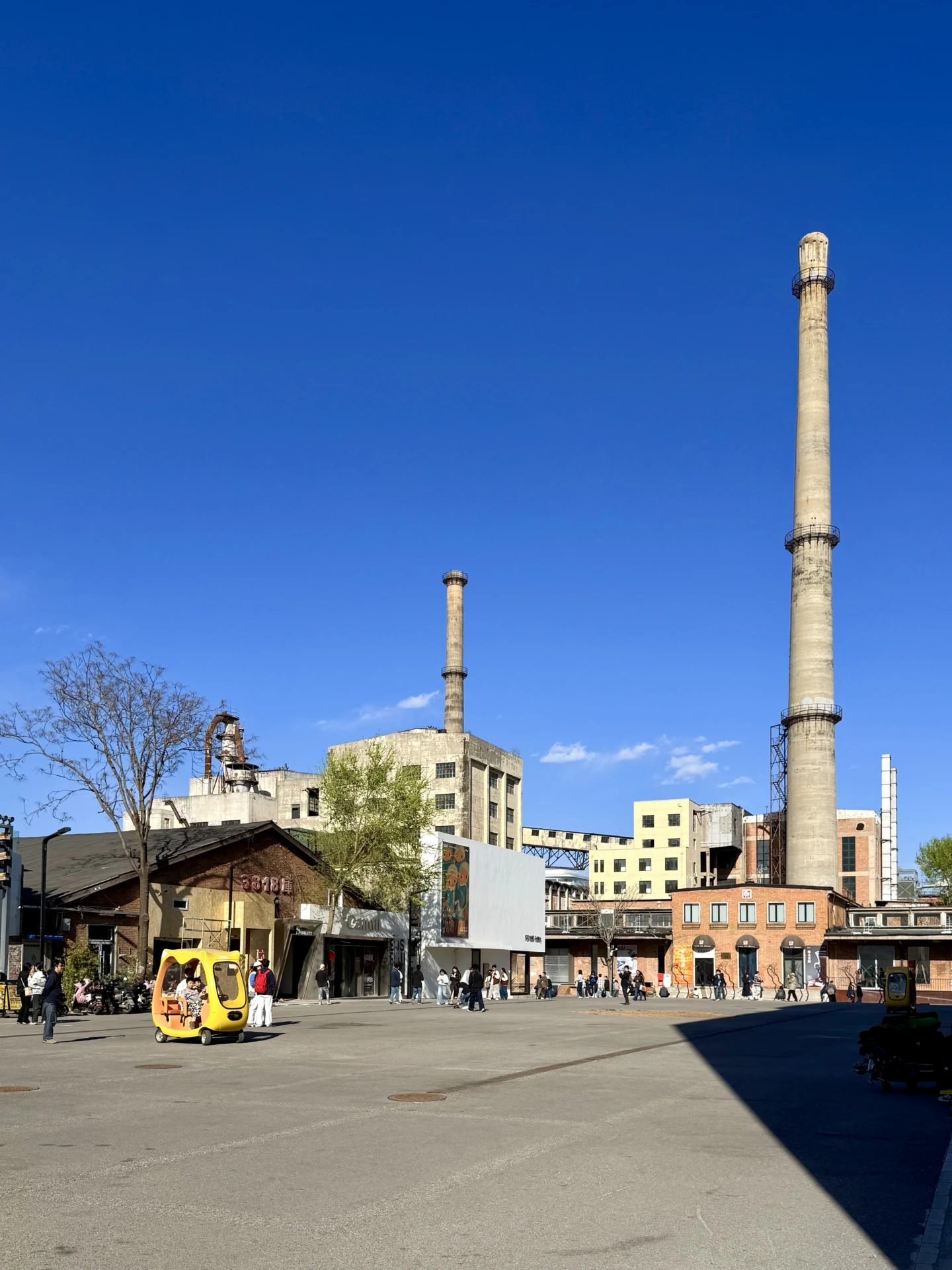
798 Art District © Eva Lo

M+ Museum, Herzog & de Meuron 2021 © Eva Lo

Red Brick Art Museum, Dong Yugan 2014 © Eva Lo
your travel curators
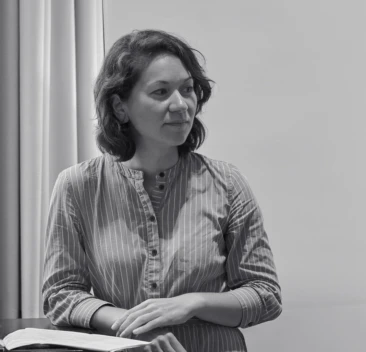
Eva Lo
Eva worked as a project architect at several architectural firms in Antwerp and Brussels. In addition, she is committed as a board member and volunteer at Archipel. Driven by her passion for the city, she guides groups through Brussels during art and architecture tours for Korei.
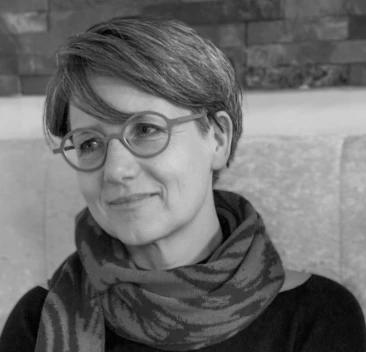
Dominique Pieters
Dominique is the founder and creative director of planopli. She is an architect by training, author, and architecture journalist for (inter)national magazines. Previously, she was artistic director of Archipel and taught at TU Delft and KU Leuven.