sensory enchantment
NORTH INDIA AND CHANDIGARH


-
type of trip
round trip
-
ideal duration
15 days
-
recommended period
February - March
September - October - schedule a conversation
My life experiences connect my thinking with the eternal passing of the sun, the moon, the ever-changing patterns of the stars in the sky and the rhythms of the seasons.
India serves as an unparalleled melting pot of cultures, with an architectural history spanning millennia in which the traces of traders, conquerors and pilgrims have merged into a unique cultural richness. This deep interweaving of religion, philosophy and craft forms an inexhaustible source of inspiration for the iconic buildings that adorn the subcontinent.
The architectural exploration begins in Delhi, where the city's layered nature becomes visible in the contrasts between monumental Mughal architecture and the ceremonial grandeur of New Delhi, designed by Edwin Lutyens.
In the vicinity, Agra, with the incomparable aesthetics of the Taj Mahal, and the abandoned city of Fatehpur Sikri bear witness to an imperial past. This latter city, built entirely of red sandstone, is considered a masterpiece of spatial planning in which the synthesis of Persian and Indian architectural styles has been carried through to the smallest details.
The journey continues to Jaipur, the legendary 'Pink City', which holds a unique position in Indian urban planning because of its strict geometric layout according to the principles of Vastu Shastra. Here, decorative Rajput architecture and the astronomical precision of the Jantar Mantar observatory merge into a harmonious whole.
A crucial anchor point in the exploration is Ahmedabad, this city is the epicenter of Indian modernism. Here are the iconic designs of Le Corbusier, such as the Mill Owners' Association Building. It is also home to Balkrishna Doshi's Sangath studio, where the symbiosis between local building traditions, climate adaptation and modern abstraction becomes tangible.
In contrast stands Chandigarh, the city that was designed after independence by Le Corbusier as a manifesto of a new era, with sculptural government buildings in raw concrete.
highlights
The Chandigarh Capitol Complex by Le Corbusier shows how architecture shapes power and ideals. Monumental concrete buildings, radical urban planning and thoughtful climate strategies make this a key work of modernism, essential to understanding the ambition and limits of twentieth-century architecture.
Balkrishna Doshi's studio in Ahmedabad is a restrained, modernist ensemble. Raw concrete structures, patios and shady corridors form a flexible work landscape. Light, ventilation and human scale are central, rooted in climate-conscious architecture, with tradition, context and long-term spatial quality.
Fatehpur Sikri is historically valuable as a rarely intact Mughal capital from the sixteenth century. Built in red sandstone, the city combines Islamic and Hindu architectural styles. Architecture and material use demonstrate imperial representation, craftsmanship and political power within the Mughal period.
New Delhi by Edwin Lutyens is distinguished by monumental urban planning with axes, sightlines and green buffers. The buildings combine classically Western proportions with Indian domes, chhatris and local stone materials. Together, the city plan and architecture form a coherent, hybrid composition.

Jama Masjid, 1574 © Eva Lo
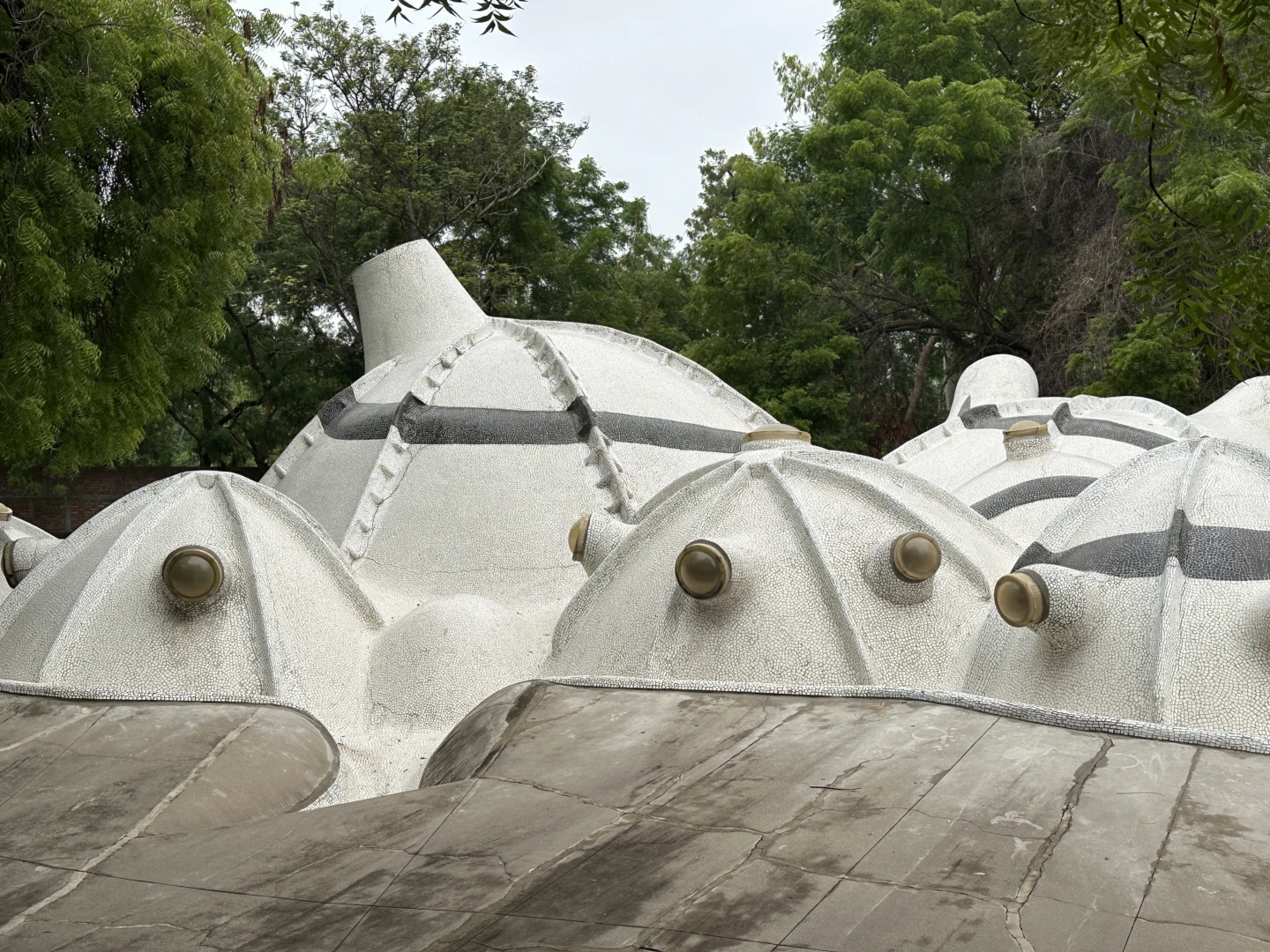
Amdavad Ni Gufa, BV Doshi 1995 © Dominique Pieters

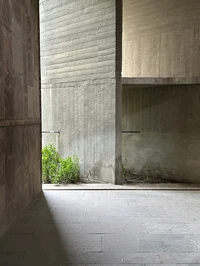
Capitol Complex Tower Of Shadows, Le Corbusier 1952 © Eva Lo
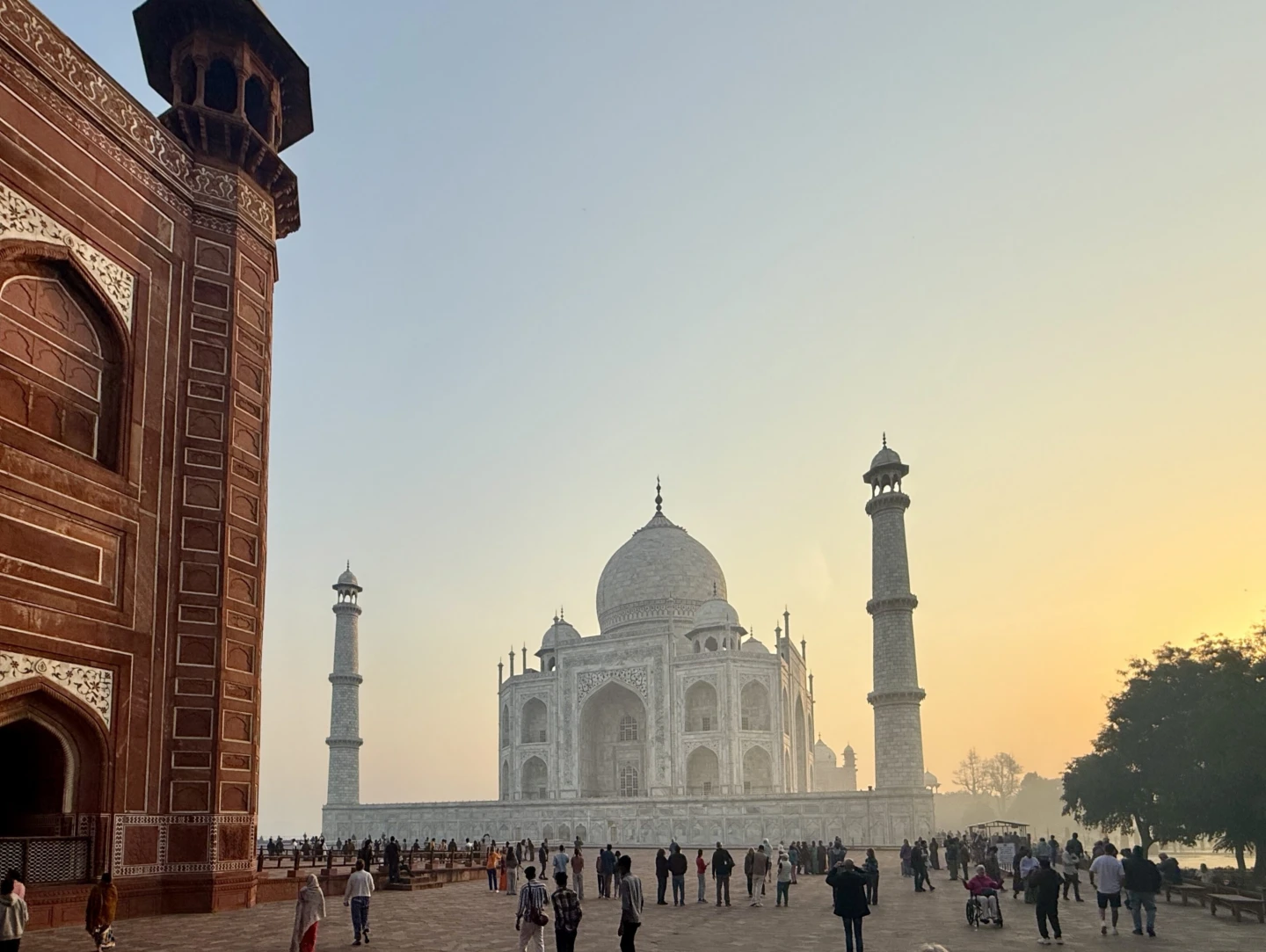
Taj Mahal, 1653 © Eva Lo
more photos

Amer Fort, 1592 © Eva Lo
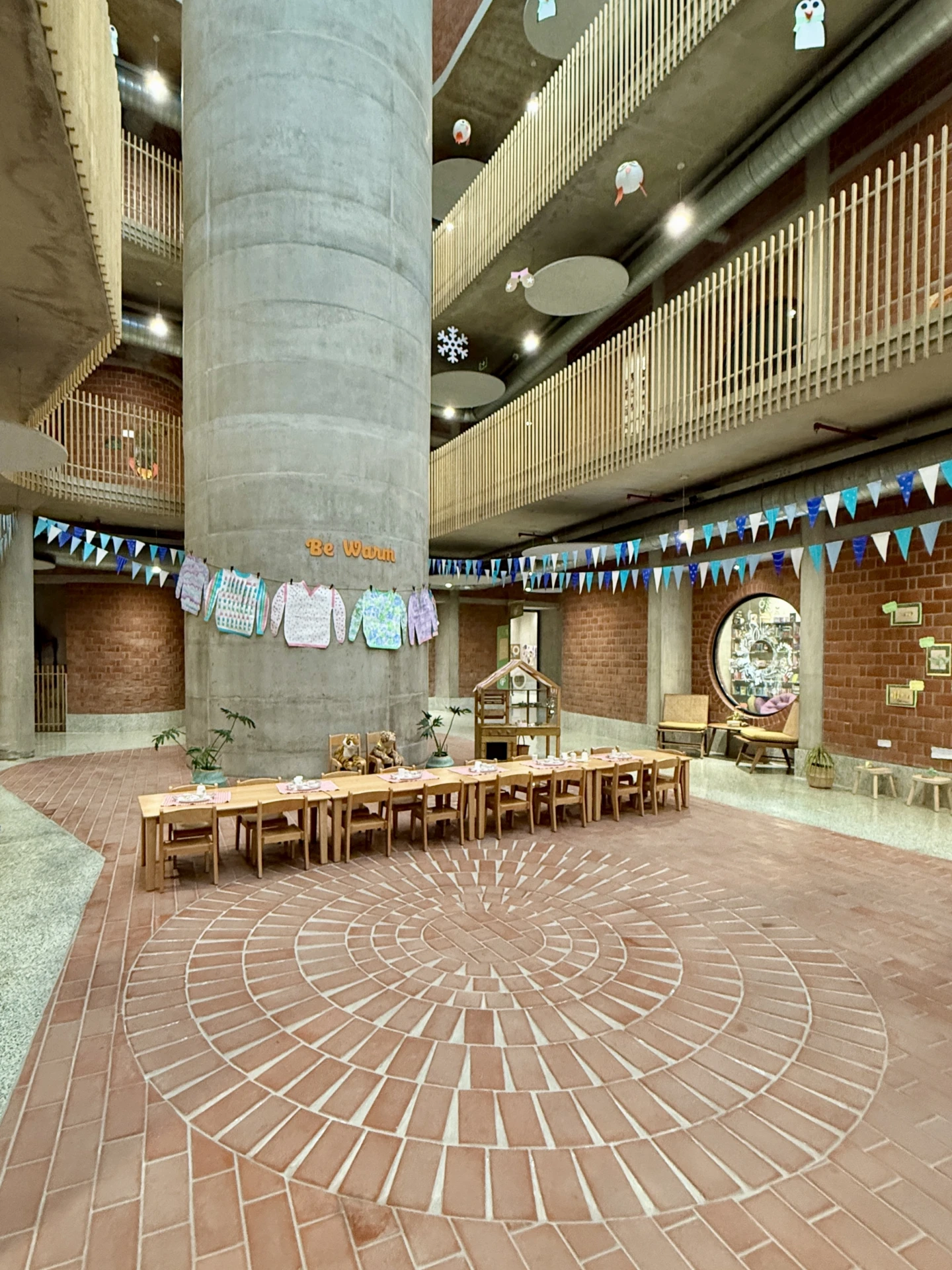
Healthy Planet School, Vir Mueller 2024 © Eva Lo

Lotus Temple, Fariborz Sahba 1986 © Dominique Pieters

India Habitat Centre, Joseph Allen Stein 1993 © Eva Lo

Capitol Complex High Court, Le Corbusier 1956 © Eva Lo

Fatehpur Sikri, 1571 © Dominique Pieters

Institute Of Indology, BV Doshi 1962 © Eva Lo

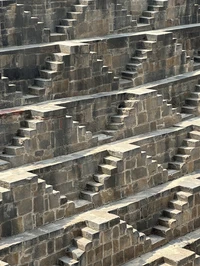
Chand Baori Stepwell, 900 © Dominique Pieters
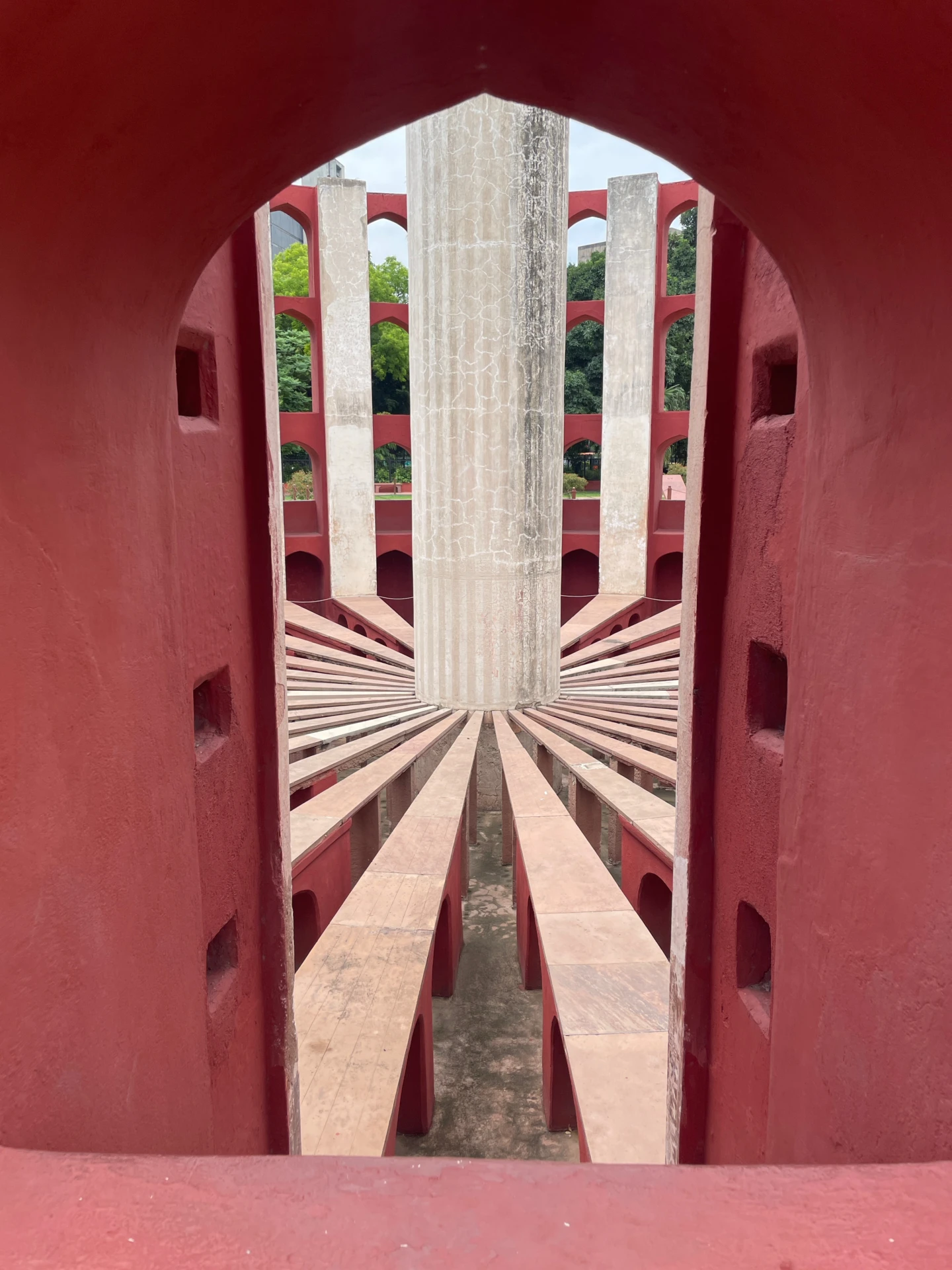
Jantar Mantar, 1734 © Eva Lo

IIMA, HCP Design 2015 © Dominique Pieters

Capitol Complex Open Hand, Le Corbusier 1985 © Eva Lo
your travel curators
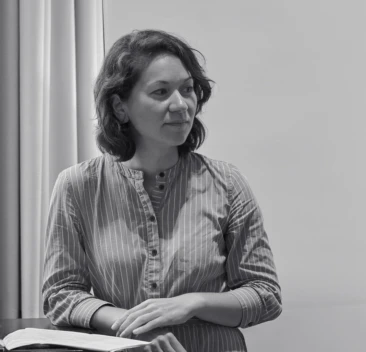
Eva Lo
Eva worked as a project architect at several architectural firms in Antwerp and Brussels. In addition, she is committed as a board member and volunteer at Archipel. Driven by her passion for the city, she guides groups through Brussels during art and architecture tours for Korei.
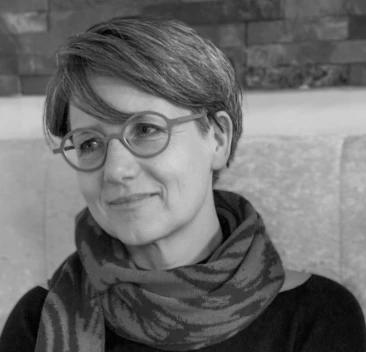
Dominique Pieters
Dominique is the founder and creative director of planopli. She is an architect by training, author, and architecture journalist for (inter)national magazines. Previously, she was artistic director of Archipel and taught at TU Delft and KU Leuven.