praise of shadow
HONSHU WITH THE ART ISLANDS


-
type of trip
round trip
-
ideal duration
14 days
-
recommended period
March-June
September-November - schedule a conversation
A polka-dot has the shape of the sun, which symbolizes the energy of the whole world and our living life, and also the shape of the moon, which is calm.
For decades, Japan has exerted a strong attraction on architects and artists worldwide. Japanese culture combines precision, simplicity, and spirituality in a coherent worldview that has had a lasting influence on international design practice. Its architecture is distinguished by the refined use of wood, transparency, and lightweight structures, and developed its own identity that remains open to outside influences while being deeply rooted in local traditions.
Japanese architecture is more than an aesthetic discipline. It is inextricably linked to spiritual beliefs such as Shintoism and Zen Buddhism, in which nature, time, and emptiness play a central role. These ideas translate into spaces that invite stillness and attention. Art and architecture are not seen as exceptions, but as an integral part of daily life.
Tokyo forms a first anchor point within this journey. The city presents itself as an extremely complex metropolis where infrastructure, technology, and density come together with small-scale residential structures. Amid the high-rise buildings, intimate places for art, design, and gastronomy emerge, and temporary exhibitions showcase the latest trends in contemporary art and digital media.
Kyoto offers a contrasting experience. As a former imperial city, it carries a strong historical layering. Temples and gardens are closely intertwined with the landscape and show a refined handling of proportion, seasons, and materials. Traditional crafts remain vibrant here, including tea ceremonies and porcelain workshops that create a direct link to the foundations of Japanese artistic practice.
The third anchor point is the art islands in the Seto Inland Sea: Naoshima, Teshima, and Inujima. Here, landscape, architecture, and art merge into a powerful spatial experience. Contemporary architecture and international artworks engage in an intense dialogue with sea, light, and topography.
Long distances are covered efficiently by high-speed trains. Ferries and speedboats provide a calmer pace for the transition to the islands. On the islands, travel takes place mainly by bicycle, offering a direct and sustainable way to experience art and landscape.
highlights
The Teshima Art Museum is a droplet-shaped concrete shell in which architect Ryue Nishizawa and artist Rei Naito blur the boundaries between architecture, art, and the elements through a play of incoming light and dancing water droplets on the floor.
In the shadow of the monumental wooden torii gates of the serene Meiji Shrine, the stately, zelkova-lined boulevard of Omotesando unfolds, where traditional stillness seamlessly flows into an architectural spectacle of modern luxury and avant-garde fashion.
Ginkakuji, the iconic Silver Pavilion, is famous for its harmonious interplay between the carefully raked sand garden, the "Sea of Silver Sand," and a lush moss and walking garden that embodies the essence of the understated wabi-sabi aesthetic.
In the heart of the historic Asakusa district, the colorful spirit of old Edo comes alive around the imposing Senso-ji Temple, a lively atmosphere that is deepened in the nearby Edo-Tokyo Museum by impressive full-scale replicas that make the city’s turbulent transformation through the centuries tangible.

Ryue Nishizawa, (Rei Naito), 2010 © Arnout Fonck

Katsura Imperial Garden Villa, 1645 © Eva Lo

Enoura Observatory, Hiroshi Sugimoto 2017 © Eva Lo

Himeji Castle, 1609 © Eva Lo
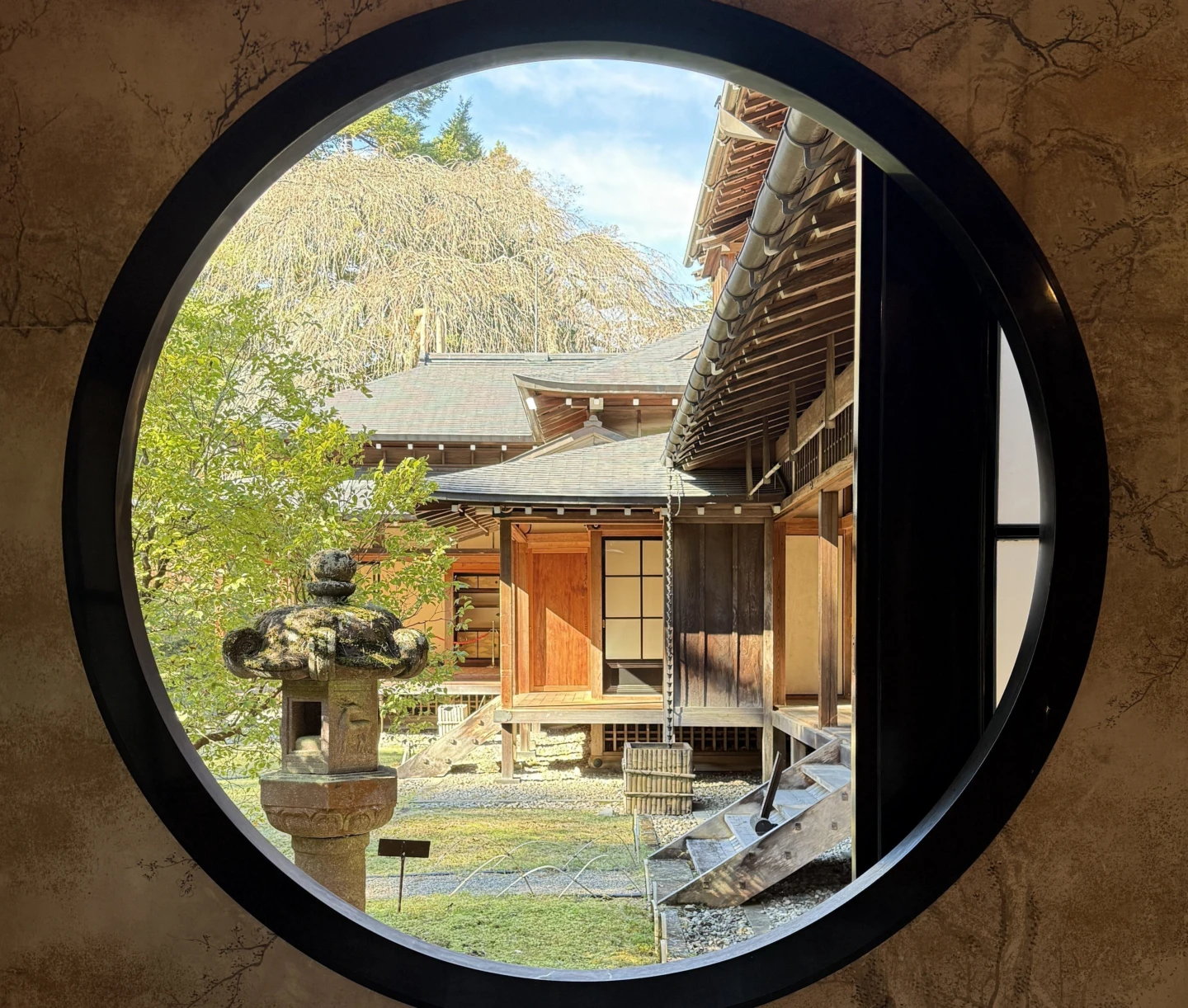
Tamozawa Imperial Villa, 1899 © Eva Lo
more photos
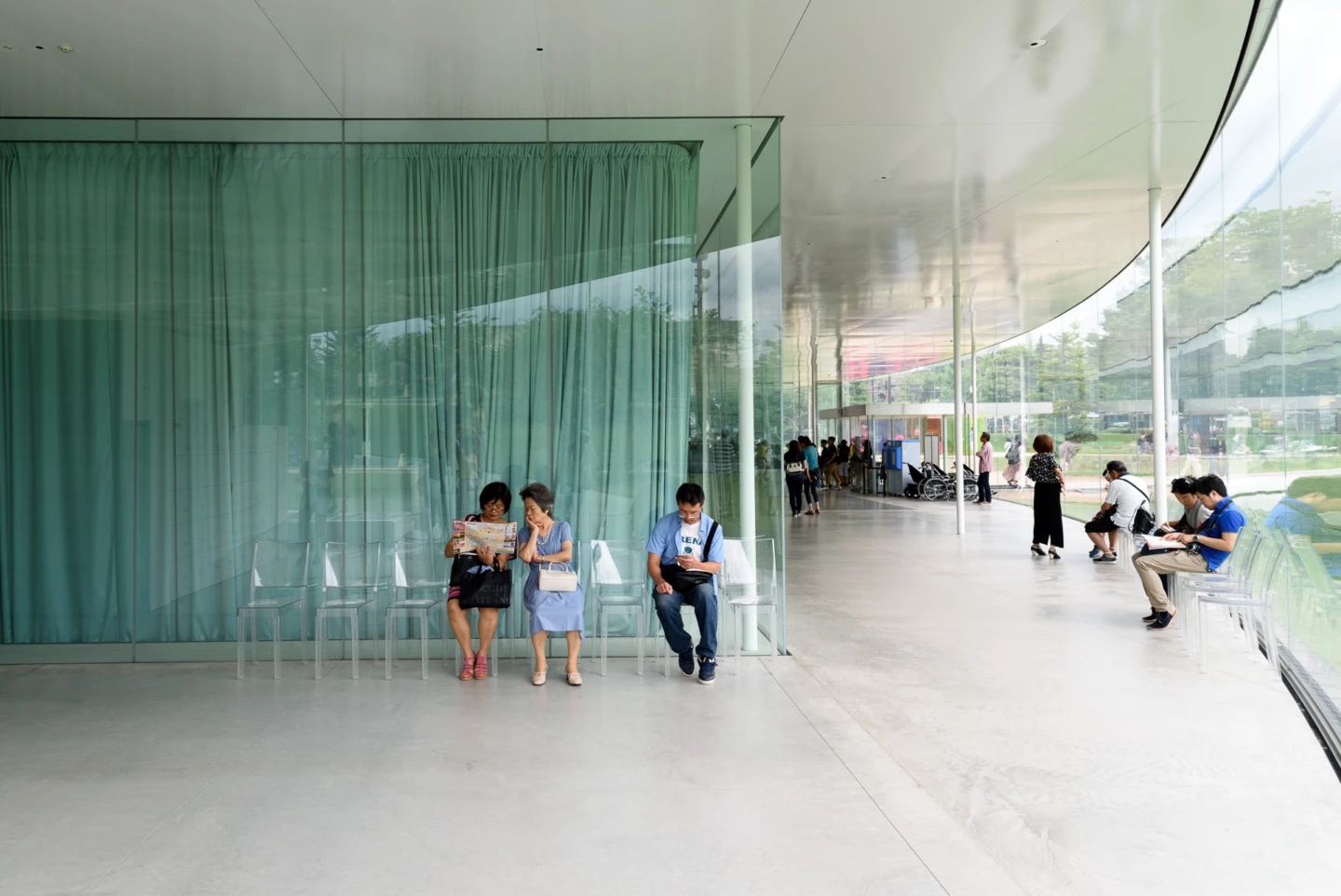
SANAA, 2004 © Arnout Fonck
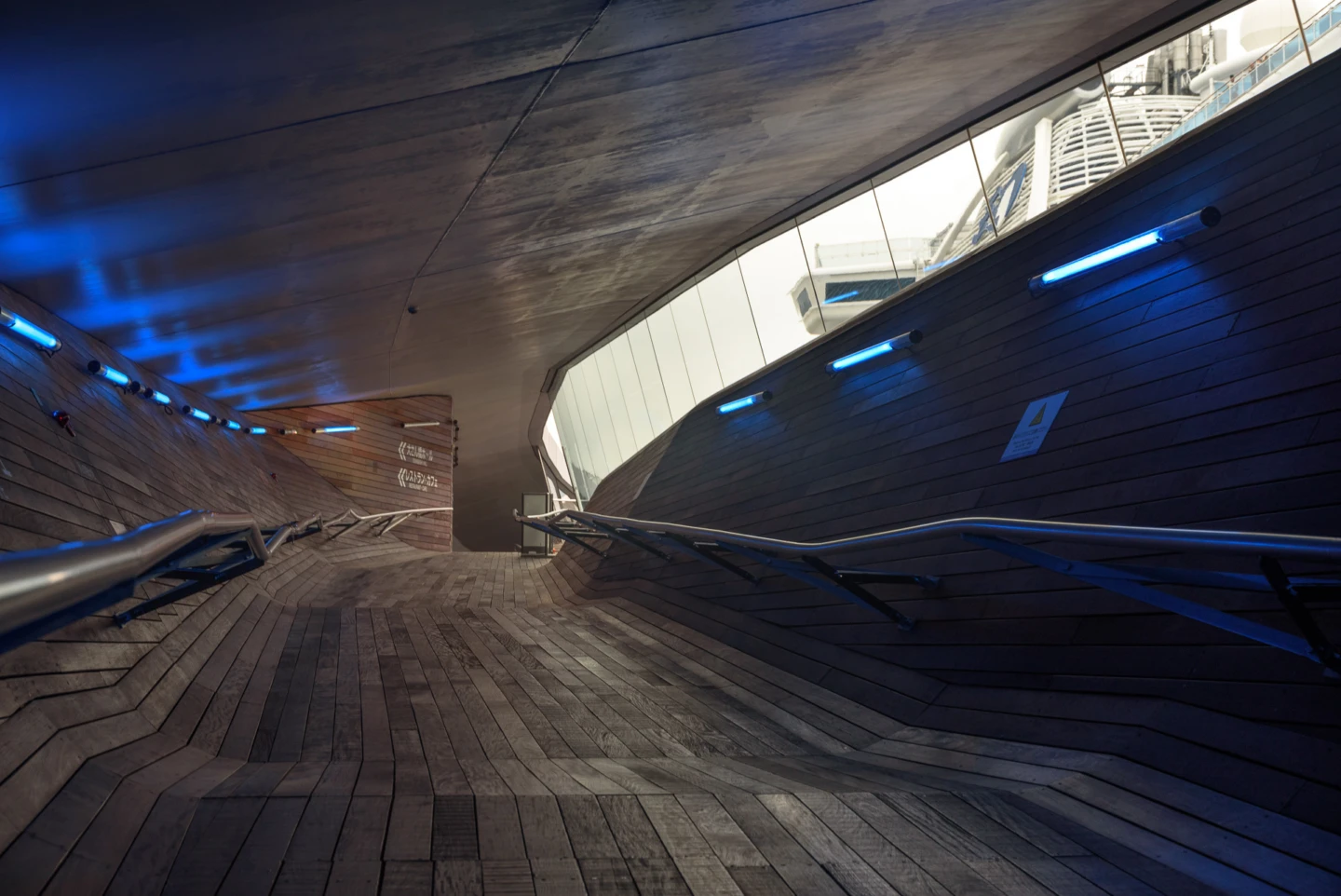
Foreign Office Architects, 2002 © Arnout Fonck

Ueno Toshogu Shrine Juyosho, NAP 2022 © Dominique Pieters

Isamu Noguchi Garden Museum, Isamu Noguchi 1988 © Eva Lo

SANAA, 2017 © Arnout Fonck

Hiroshi Sambuichi, 2015 © Arnout Fonck
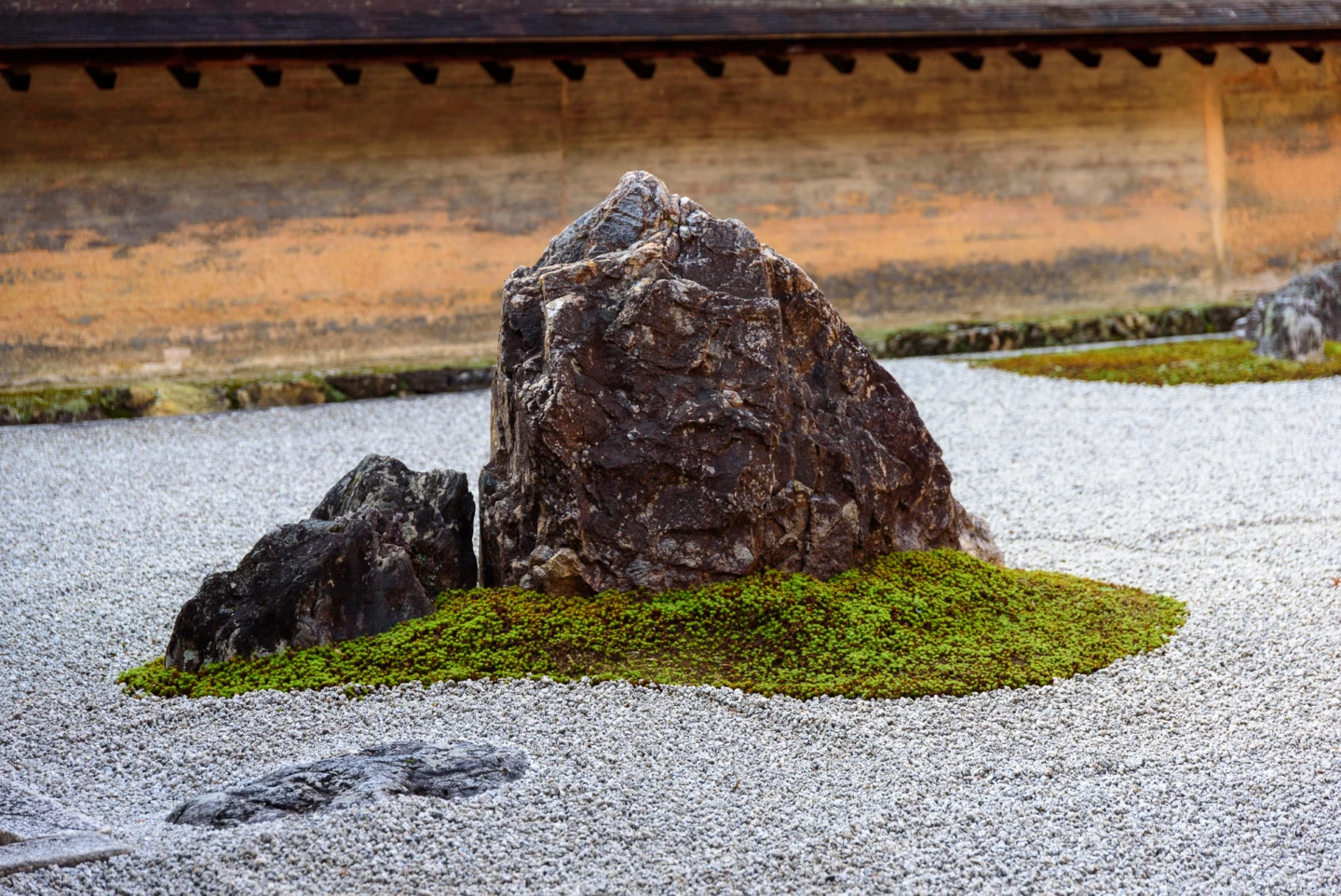
1499 © Arnout Fonck

Ginkakuji, 1482 © Eva Lo

Tofukuji Ryogin an, 1291 © Arnout Fonck

Ryue Nishizawa, 2011 © Arnout Fonck

Hiroshi Sambuichi, 2008 © Arnout Fonck
your travel curators
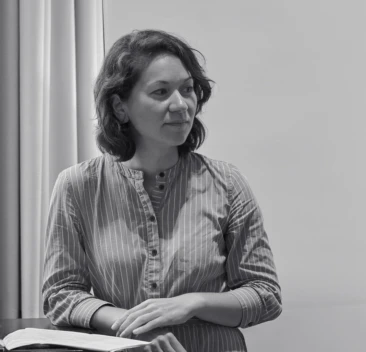
Eva Lo
Eva worked as a project architect at several architectural firms in Antwerp and Brussels. In addition, she is committed as a board member and volunteer at Archipel. Driven by her passion for the city, she guides groups through Brussels during art and architecture tours for Korei.
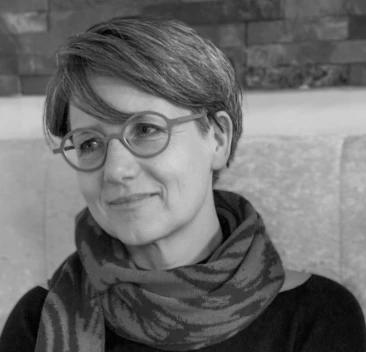
Dominique Pieters
Dominique is the founder and creative director of planopli. She is an architect by training, author, and architecture journalist for (inter)national magazines. Previously, she was artistic director of Archipel and taught at TU Delft and KU Leuven.