tradition in contemporary craftsmanship
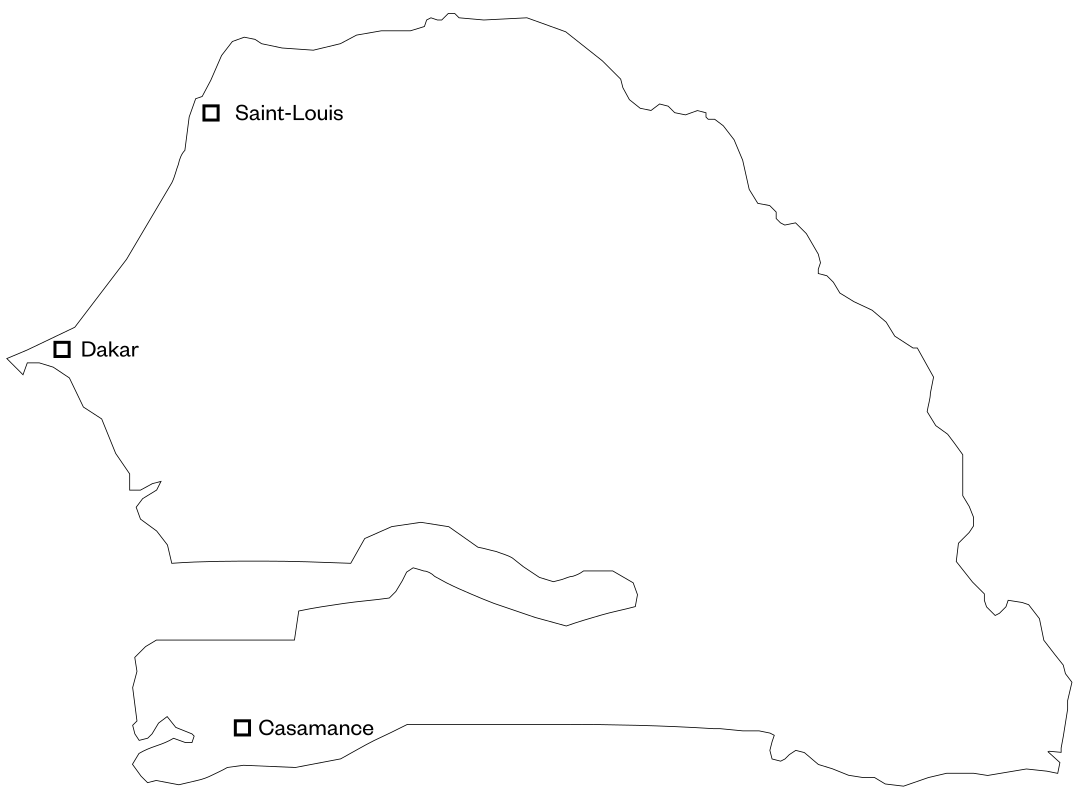
DAKAR, SAINT-LOUIS AND CASAMANCE

-
type of trip
round trip
-
ideal duration
12 days
-
recommended period
November-February
- schedule a conversation
In Africa, art does not exist for art’s sake. All art is social.
Senegal cannot be understood without teranga, jom, fit and ngor: concepts that encompass hospitality, pride, courage and dignity, and are deeply rooted in everyday life. They are not only a cultural guide, but also a surprising compass for reading the country’s contemporary architecture. Today, that architecture is at a turning point. Although Senegal still does not offer a university education in architecture and international building models often take little account of climate, materials or local building traditions, a generation of designers is emerging that is consciously seeking its own architectural language. Architects, craftsmen and builders are rediscovering the richness of climate, earth, craftsmanship and community. In this way, an architecture is taking shape that is not only sustainable, but above all unmistakably rooted in Senegal.
The Senegalese architectural landscape is in full motion. A new generation of architects and builders is strongly committed to the country and its context. Carole Diop is an architect, curator and professor. She is co-founder of the magazine Afrikadaa, co-author of Dakar, Métamorphoses d’une Capitale and leads architecture walks in Dakar. Doudou Dème is an engineer and co-founder of ELEMENTERRE, a company that works with earth, typha, adobe and compressed earth blocks. Their goal is to make sustainable building materials accessible to a wide audience. Doudou regularly works with the studio Worofila, whose projects rely heavily on tradition, climate and local knowledge.
Senegal’s colonial history left behind an impressive but fragile heritage, largely designed by European architects. Today, a debate is raging over the preservation, restoration and repurposing of these buildings. Contemporary foreign architects such as Gilles Perraudin, Adriano Redondo, Antoin Galand and DAW office are also contributing to an architecture that is realized with respect for context and tradition.
Dakar and Saint-Louis show the layered nature of the urban landscape, while Casamance forms the basis of traditional building types such as the case à impluvium. Contemporary projects can also be found there. The west coast combines architecture with peace and landscape. A 4x4 is the most suitable means of transport to discover this diversity, through steppe, tropical greenery and past baobab trees.
highlights
In-depth discovery of local materials and building techniques, with an eye for craftsmanship, sustainability and cultural context.
Guided tours by local architects and inspiring first-hand stories.
Adventurous 4x4 road trip through various landscapes, from savannah to coast, off the beaten path.

© Dominique Pieters
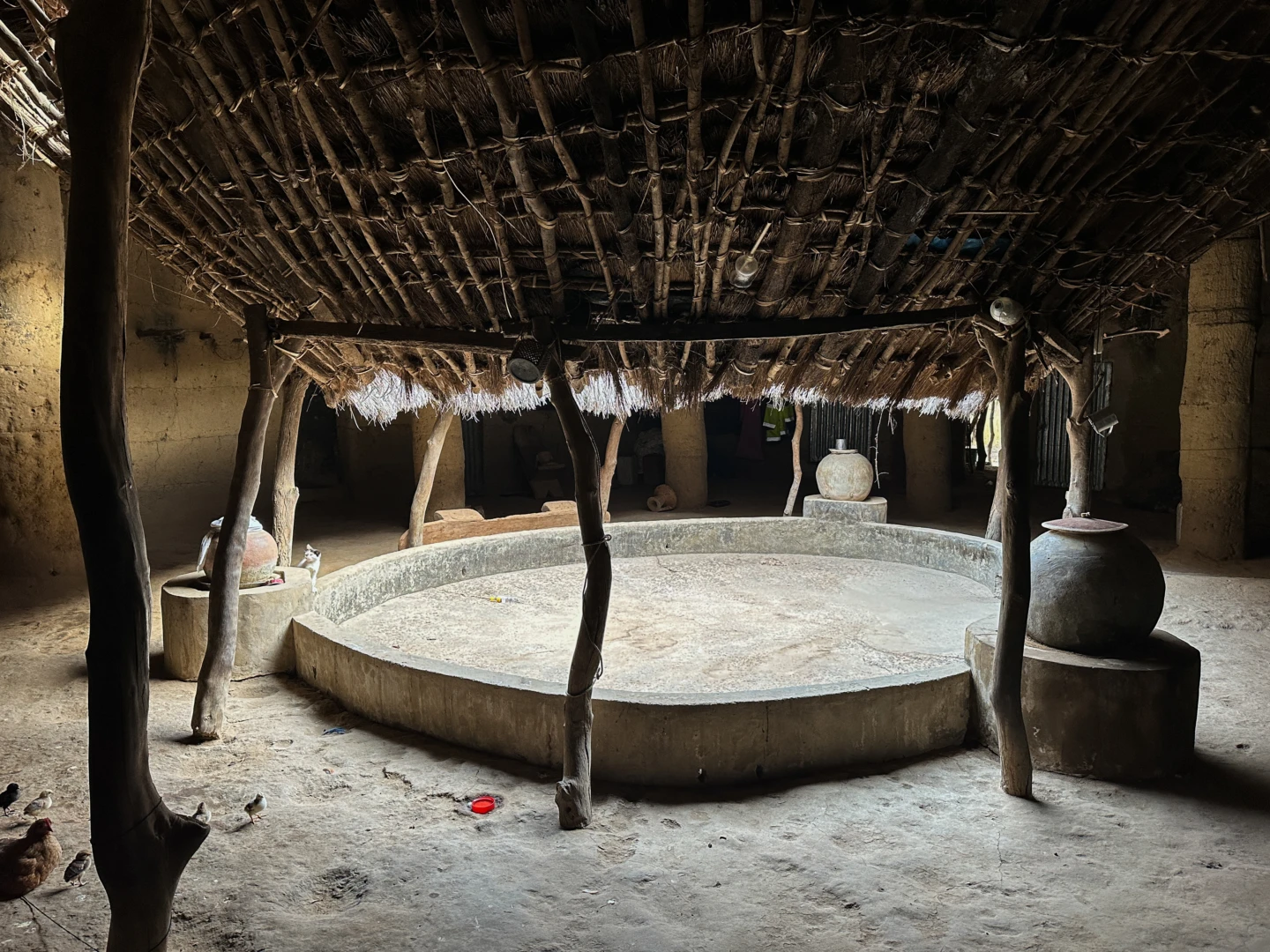
Case à Impluvium © Loes Decruynaere

Jardin de la Galerie Le Manège, Worofila 2024 © Loes Decruynaere

Architecture Développement, École Des Sables 2003 © Loes Decruynaere
more photos

Nouveau Goethe Institut, Kéré Architecture & Worofila 2026 © Loes Decruynaere

Selebe Yoon Gallery, R. Brunel 1952 © Dominique Pieters
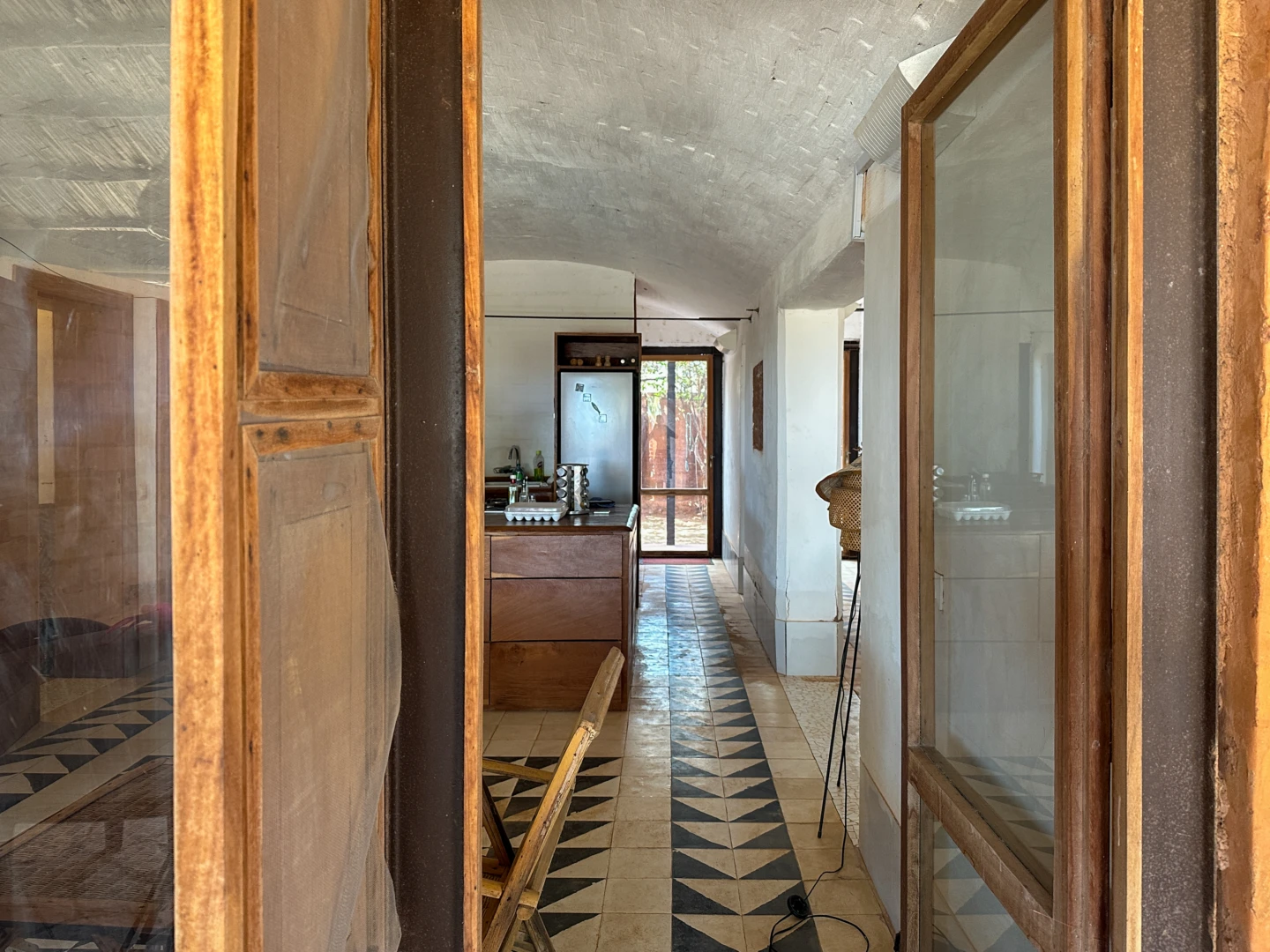
Maison Djilor Djidiack, Gilles Perraudin 2024 © Loes Decruynaere
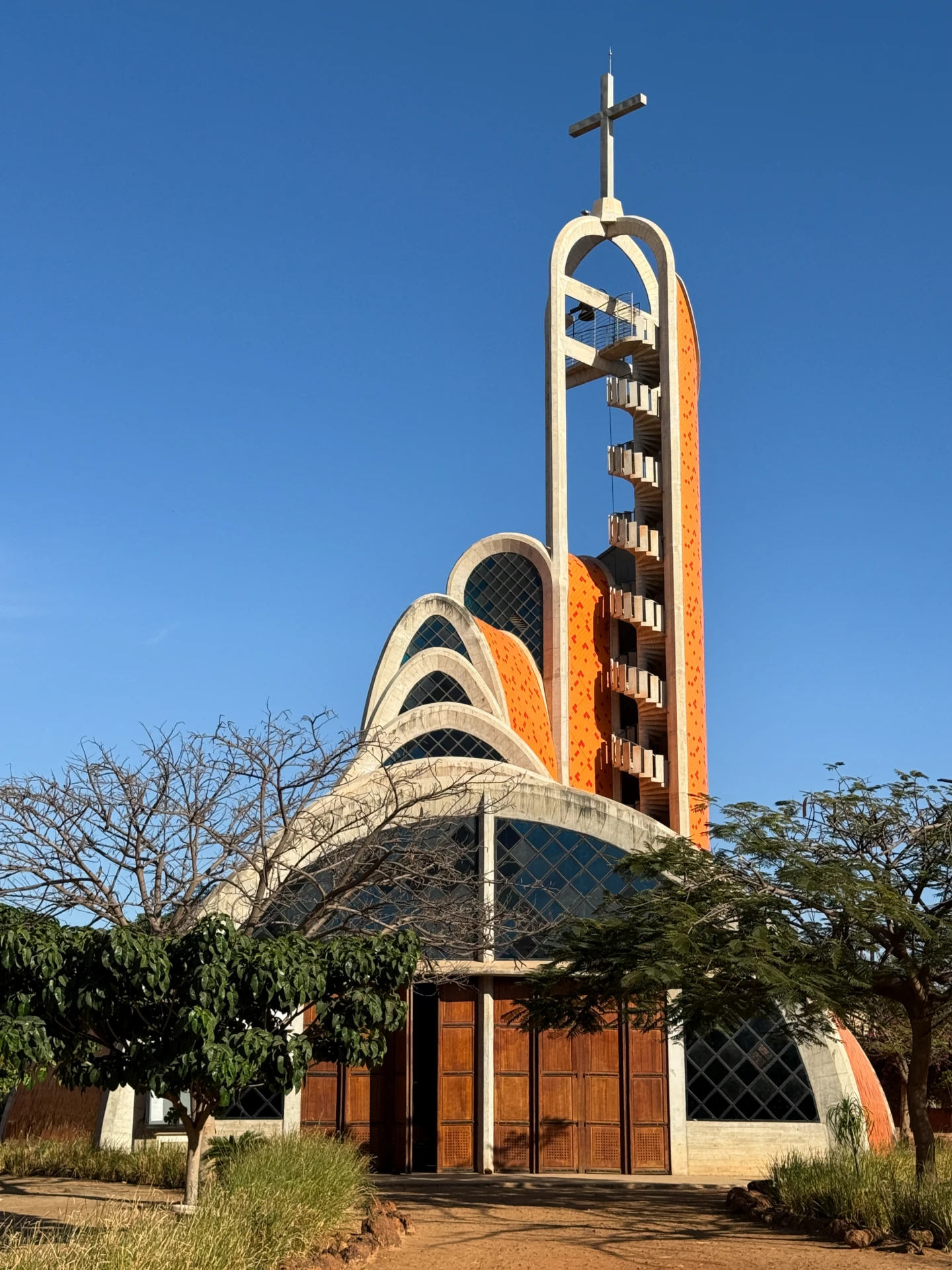
Église Epiphanie du Seigneur de Nianing, In Situ 2019 © Dominique Pieters

Agricultural Training Centre 1977 © Dominique Pieters
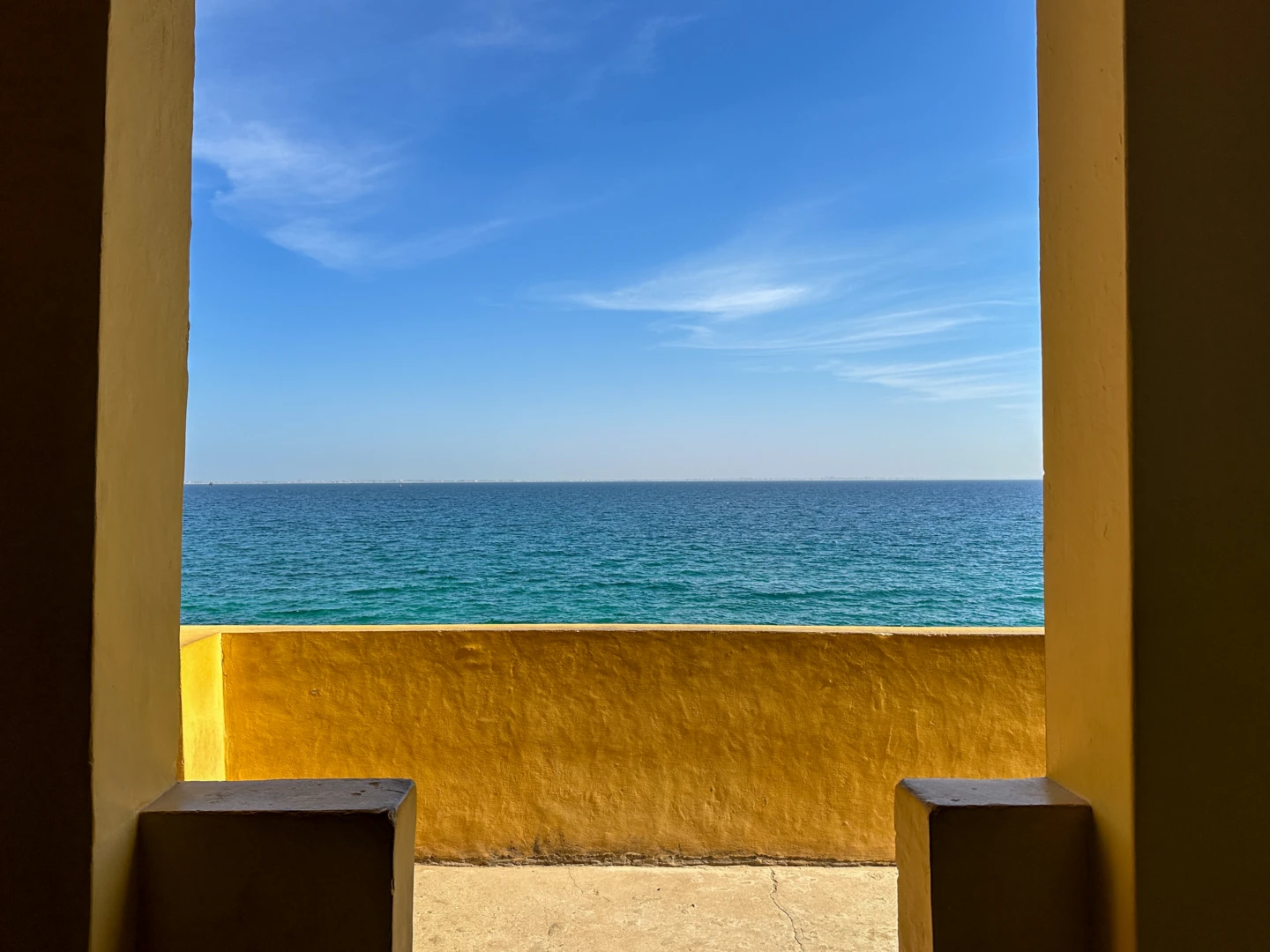
Maison Des Esclaves 1784 © Loes Decruynaere

CEM Kamanar, DAW Office 2021 © Loes Decruynaere

Halle De Lompoul, ASTER Bretagne 2022 © Loes Decruynaere

École Samba Dia, Marc Held 2024 © Loes Decruynaere
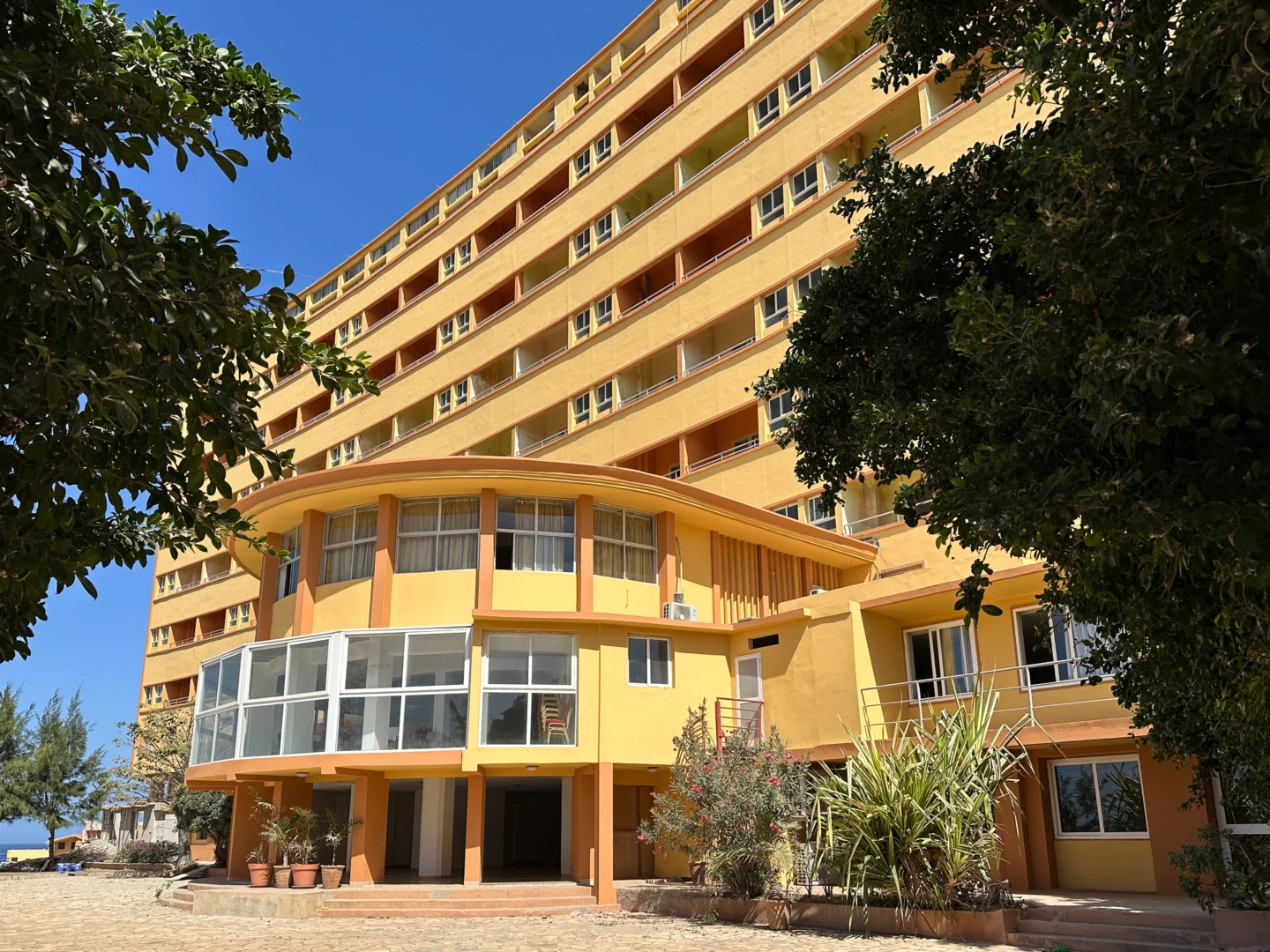
Hôtel Ngor Diarama, Chesneau & Vérola 1953 © Loes Decruynaere
your travel curators

Loes Decruynaere
Loes worked as an architect at several renowned firms in Belgium. She was curator of the exhibition and the accompanying book about the work of the young, deceased artist Henri B Defauw. She is also part of the cooperative bookstore Rokko.
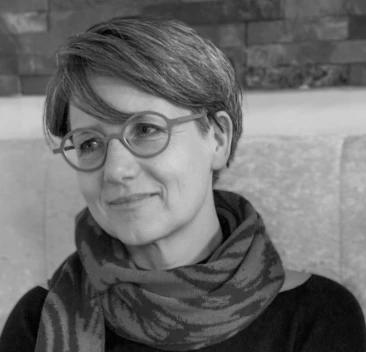
Dominique Pieters
Dominique is the founder and creative director of planopli. She is an architect by training, author, and architecture journalist for (inter)national magazines. Previously, she was artistic director of Archipel and taught at TU Delft and KU Leuven.


