city of layers and air
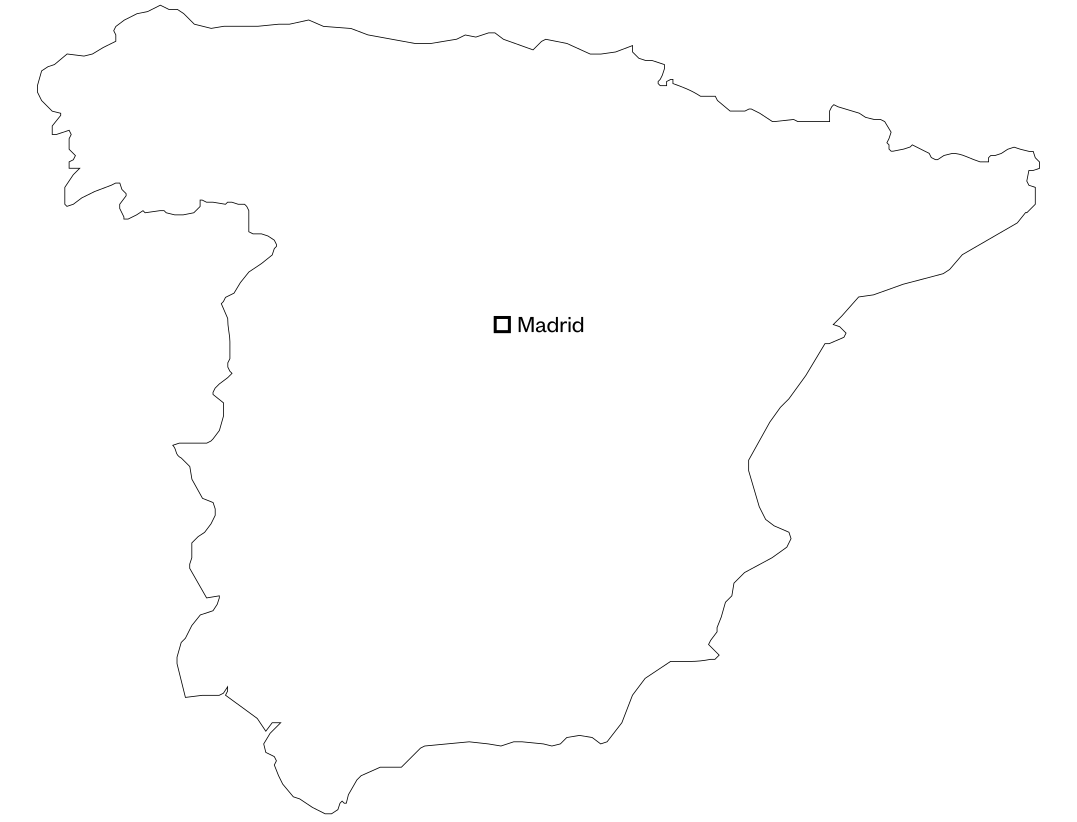
MADRID

-
type of trip
city trip
-
ideal duration
3 days
-
recommended period
February - May
September - October - plan a conversation
The rule of architecture is to do things on a large scale with love and obsession.
Madrid unfolds as a city where power, faith, art and everyday life are written layer upon layer in stone. In the historic center, monumental squares, churches and enclosed façades recall the period when Spain rose to become a world power. Yet Madrid is never solemn alone: behind its robust façades beats a vibrant, generous city. It is precisely there, between heavy walls and historic volumes, that contemporary interventions reveal their strength: careful, precise and often surprising, they make the city legible once again.
Madrid proves that a city does not need to be reinvented every time to remain relevant. Its strength lies in the way existing buildings and infrastructures are given a new life: former industrial sites, warehouses and public buildings are carefully transformed into places where culture, encounter and everyday urban life reinforce one another, without erasing their history.
You can see this in the Archivo Regional, which is closed and inviting at the same time, in Matadero Madrid, once a slaughterhouse and now a vibrant cultural landscape, and in the Serrería Belga, where a precise renovation actually strengthens the industrial character. The Museum of the Royal Collection also opts not for spectacle, but fits almost silently into its historical context next to the Royal Palace. What connects these projects is their respect for time: traces of former use remain visible, roughness becomes a quality, and new additions settle like another layer over what is already there. Madrid thus grows not through tabula rasa, but by building layer upon layer on its existing urban fabric.
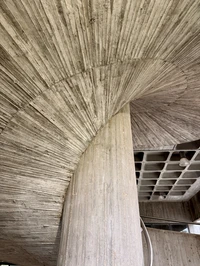
This same search for renewal within continuity runs through the city’s modern architecture, with Miguel Fisac as a key figure: his experimental concrete techniques, the characteristic vigas-hueso and his mastery of light prove that technical innovation can go hand in hand with warmth and refinement. Beyond the buildings as well, city, landscape and culture appear inseparably linked: along the UNESCO-listed Paisaje de la Luz, the Paseo del Prado, Retiro Park, museums and scientific institutions merge into an exceptional urban landscape, where open air and greenery are as much part of the architecture as stone and concrete.
You mainly traverse Madrid by metro and bus — not only efficiently, but also as the best way to experience the city: every journey takes you through a new layer, underground or in the open air, and shows how naturally history and contemporary architecture coexist here.
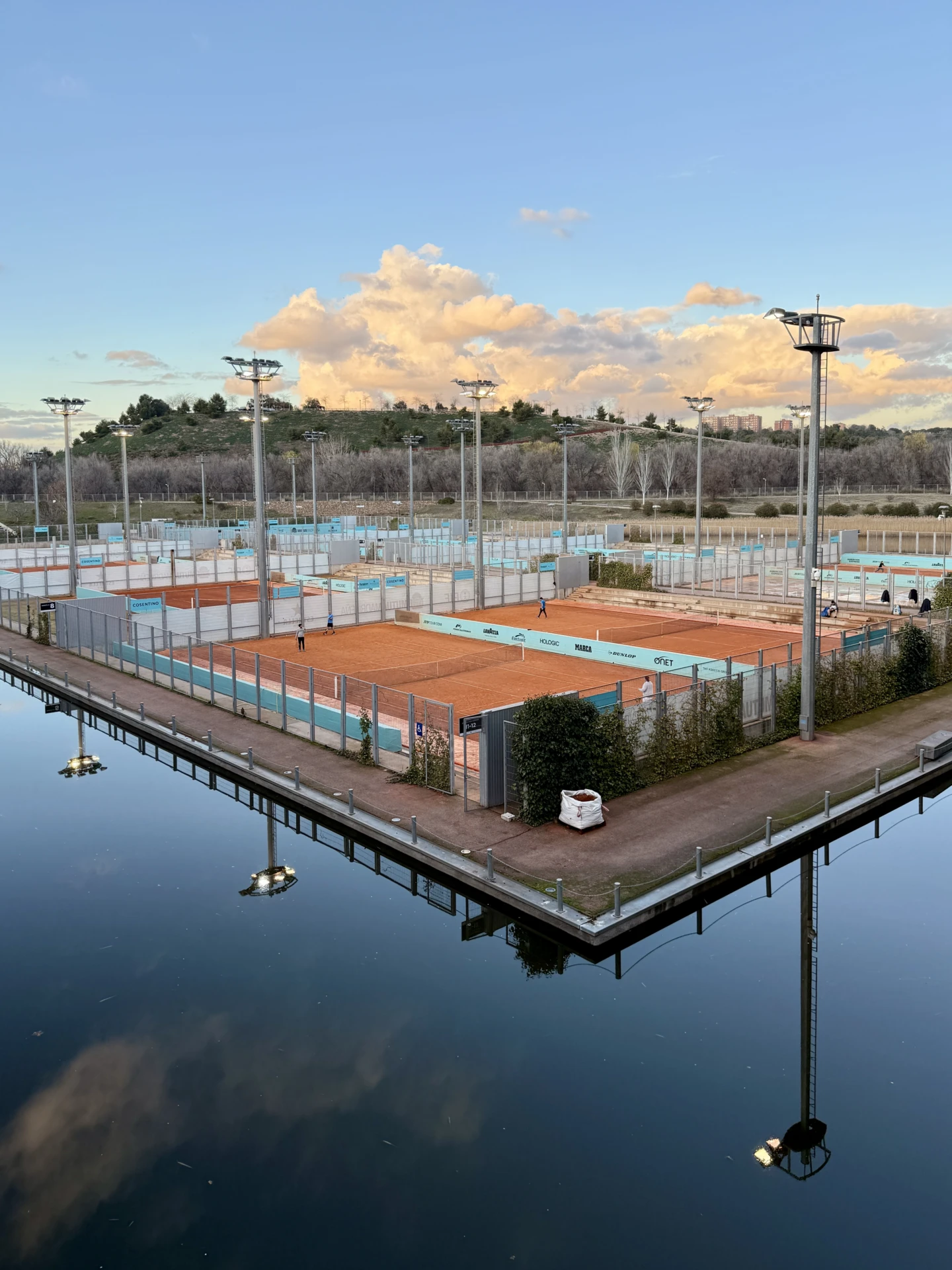
La Caja Magica, Dominique Perrault 2009 © Eva Lo

Banco de Espana, Paredes Pedrosa 2016 © Banco de Espana

Iglesia del Colegio de la Asuncion en Cuestablanca, Miguel Fisac 1968 © Eva Lo
more photos
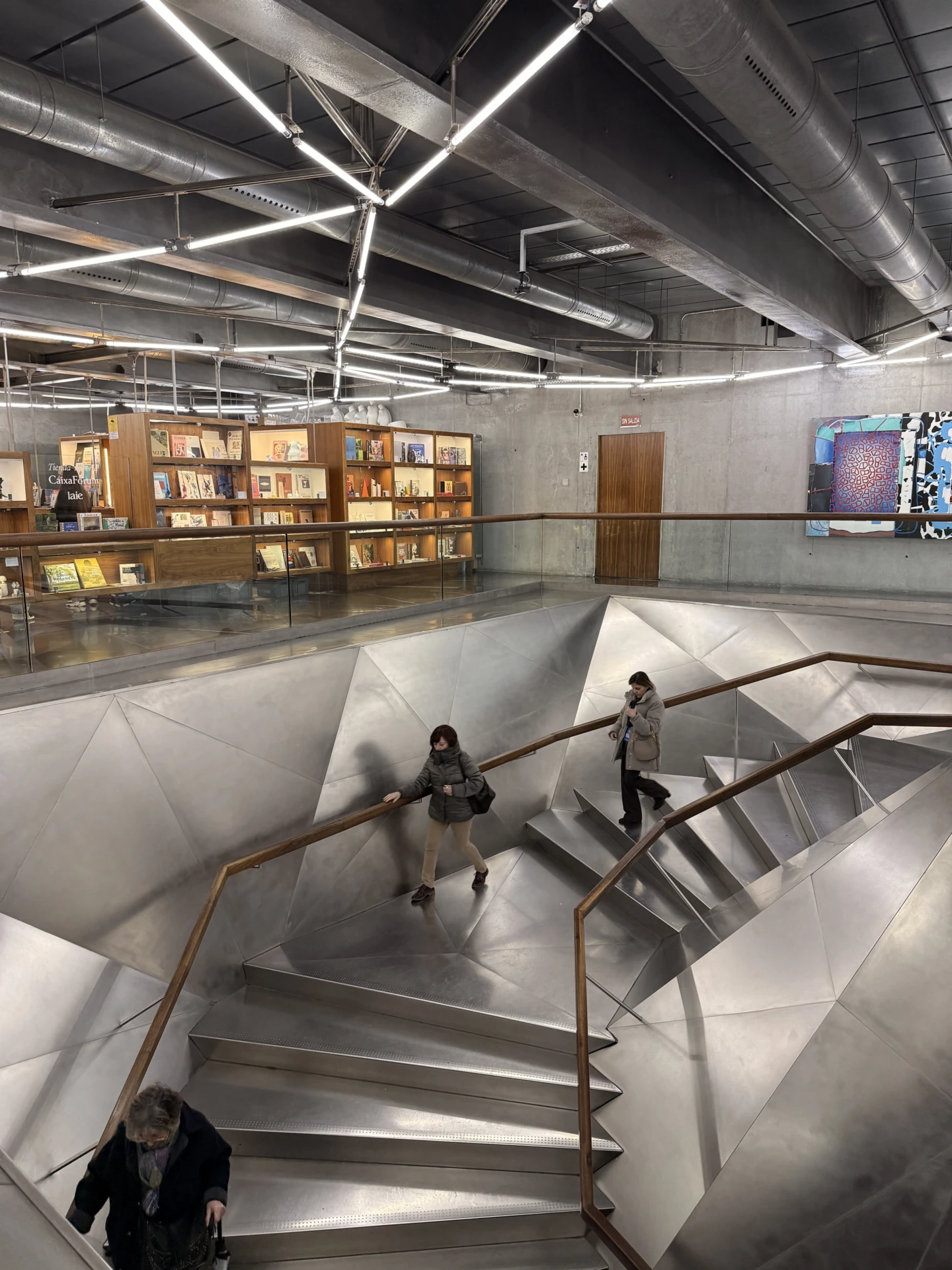
Caixa Forum, Herzog and de Meuron 2008 © Eva Lo
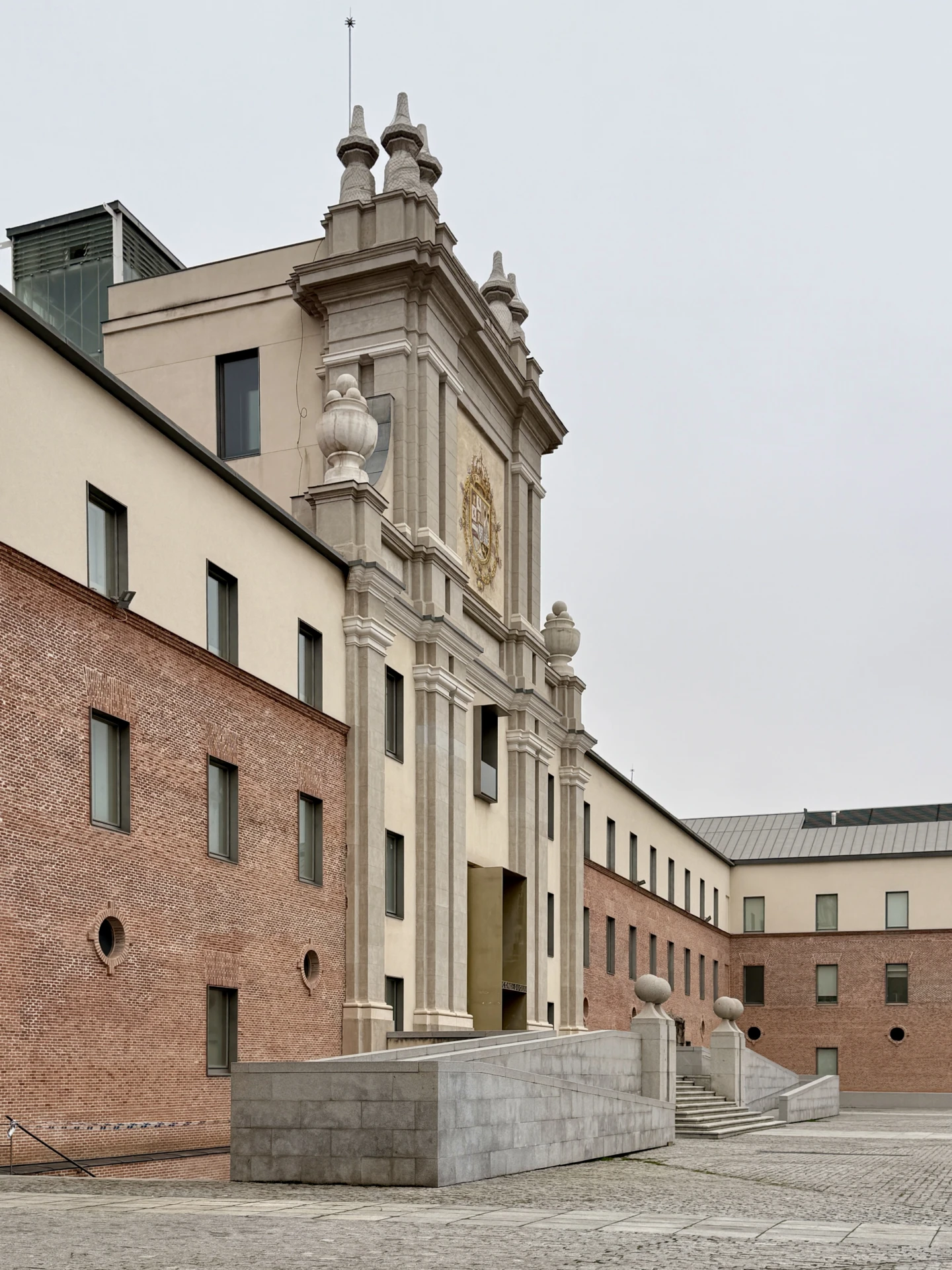
Centro Cultural Conde Duque, Carlos de Riano Lozano 2011 © Eva Lo
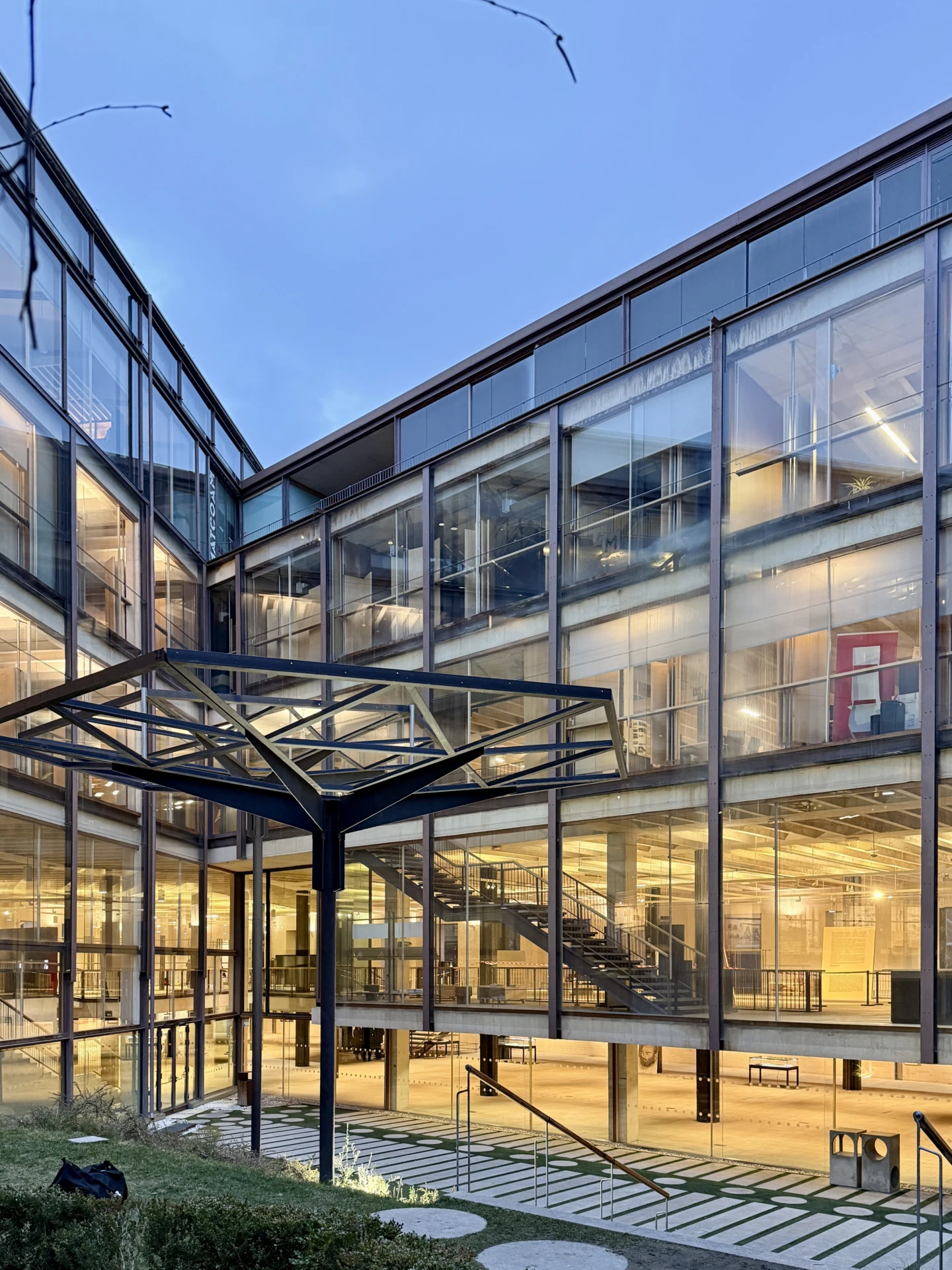
COAM Building, Estudio Gonzalo Moure 2012 © Eva Lo

Iglesia de San Pedro Martir, Miguel Fisac 1960 © Eva Lo
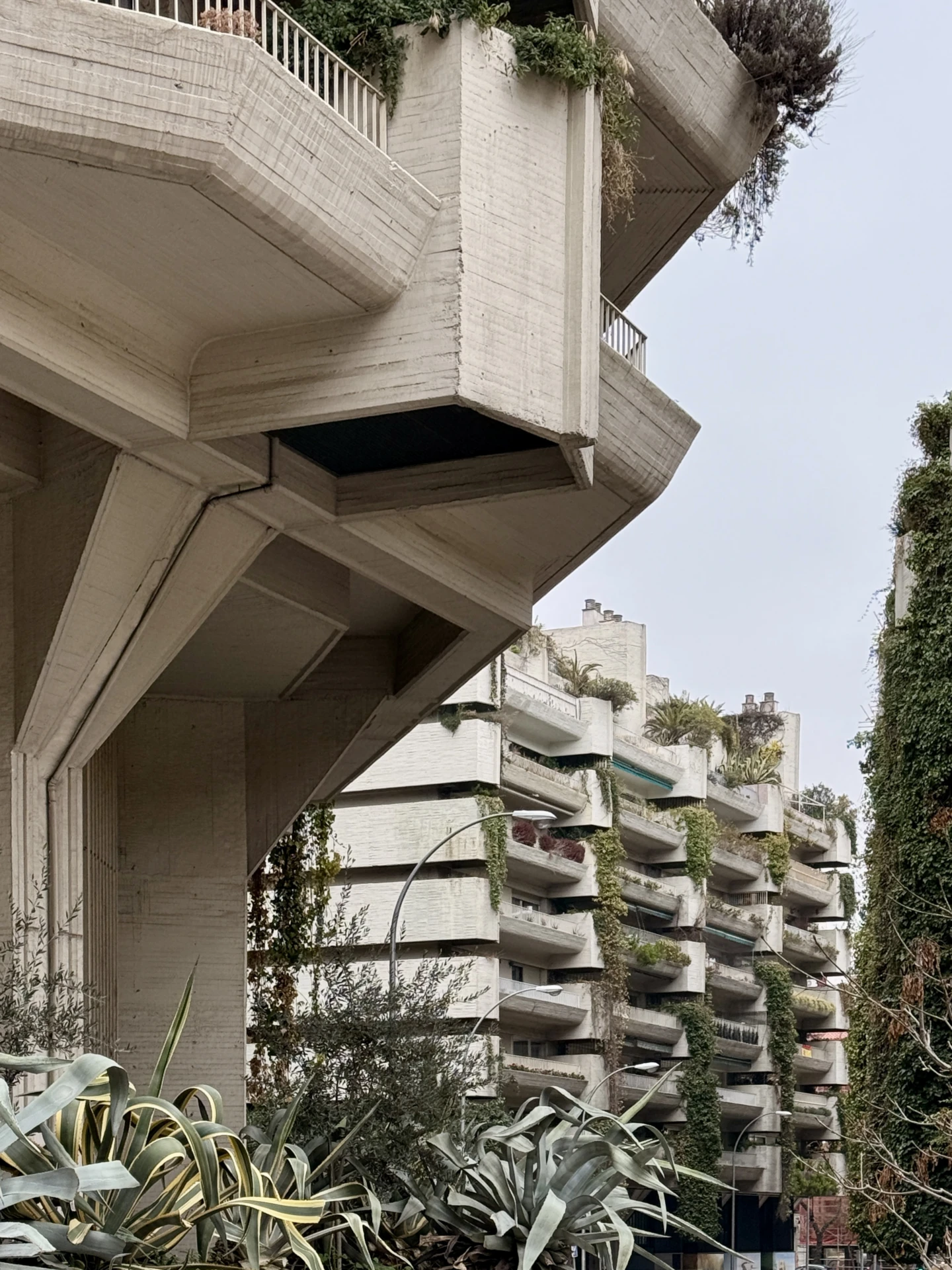
Oasis de Higueras, Fernando Higueras 1975 © Eva Lo
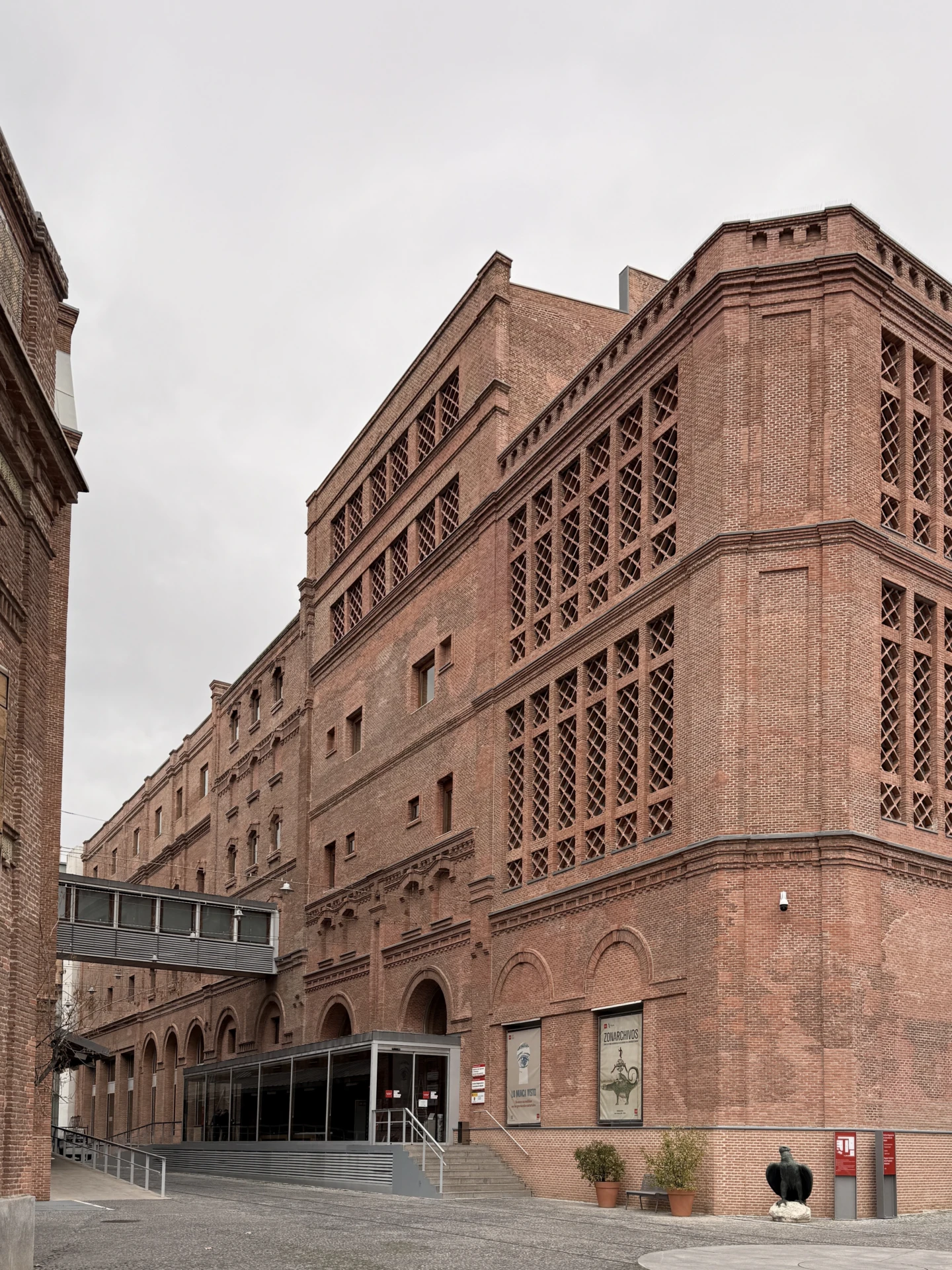
Archivo Regional de la Comunidad de Madrid, Tunon y Albornoz 2003 © Eva Lo
your travel curators
Eva Lo
Eva worked as a project architect at several architectural firms in Antwerp and Brussels. In addition, she is committed as a board member and volunteer at Archipel. Driven by her passion for the city, she guides groups through Brussels during art and architecture tours for Korei.
Jarnie T'Jonck
Jarnie began her professional career as an interior architect in Belgium. Driven by her passion for travel and cultural discovery, she moved to Portugal and now lives in France, where she curates travel in Southern Europe with a refined eye.