In Praise of Shadow
HONSHU AND THE ART ISLANDS


-
travel dates
02.05 — 16.05.2027
-
price
from €9.350
-
sign up
until 12.01.2027
-
vertrek vanuit
Amsterdam Schiphol
- reserve your place
We do not find beauty in the thing itself, but in the patterns of shadow, in the light and the darkness that one creates in relation to the other.
Japanese architecture is more than an aesthetic discipline. It is inextricably linked to spiritual beliefs such as Shintoism and Zen Buddhism, in which nature, time and emptiness play a central role. This worldview translates into spaces that invite stillness and attentiveness. Art and architecture are not seen as exceptions, but as an integral part of daily life. The title of this journey, In Praise of Shadow, refers to Junichiro Tanizaki's 1933 essay, in which he seeks Japanese beauty not in bright light, but in the half-dark: the depth of an alcove, the sheen of lacquerwork, the soft glow of paper in a sliding wall. This view of light and shadow forms the common thread of our programme.
Tokyo forms our first anchor point within this journey. The city presents itself as an extremely complex metropolis where infrastructure, technology and density come together with small-scale residential structures. Amid the high-rise buildings, we discover intimate places for art, design and gastronomy, and temporary exhibitions show us the most current trends in contemporary art and digital media.
Kyoto offers us a contrasting experience. As a former imperial city, it carries a strong historical layering. Temples and gardens are closely intertwined with the landscape and show a refined approach to proportion, seasons and materials. Beneath the deep roof overhangs reigns the half-darkness Tanizaki wrote about. Traditional crafts remain vibrant here, including through tea ceremonies and porcelain workshops that we visit and that create a direct link with the foundations of Japanese artistic practice.
Our third anchor points are the art islands in the Seto Inland Sea: Naoshima, Teshima and Inujima. Here landscape, architecture and art merge into a powerful spatial experience. Contemporary architecture and international artworks enter into an intense dialogue with sea, light and topography.
We cover long distances efficiently by high-speed train. For the transfer to the islands, ferry and speedboat provide a slower pace. On the islands, we mainly travel by bicycle, offering a direct and sustainable way to experience art and landscape.
highlights
In the heart of the historic Asakusa district, the colourful spirit of old Edo comes alive around the imposing Senso-ji temple, a lively atmosphere that we deepen further at the nearby Edo-Tokyo Museum through impressive life-size replicas that make the city's turbulent transformation over the centuries tangible.
The Teshima Art Museum is a teardrop-shaped concrete shell in which architect Ryue Nishizawa and artist Rei Naito blur the boundaries between architecture, art and the elements through a play of incoming light and dancing water droplets on the floor.
In wooded Karuizawa, long a refuge for those escaping Tokyo's summer heat, the Hiroshi Senju Museum by Ryue Nishizawa follows the slope of the terrain. Glass inner courtyards let daylight fall between Senju's monumental waterfall paintings, so that art, building and surrounding forest seem to form a single whole: a contemporary response to Tanizaki's plea for subdued light.
Ginkakuji, the iconic Silver Pavilion, is famous for its harmonious interplay between the carefully raked sand garden 'the Sea of Silver Sand' and a lush moss and strolling garden that embodies the essence of the understated wabi-sabi aesthetic.

Ryue Nishizawa, (Rei Naito), 2010 © Arnout Fonck

Ryue Nishizawa, 2011 © Arnout Fonck

Enoura Observatory, Hiroshi Sugimoto 2017 © Eva Lo

Katsura Imperial Garden Villa, 1645 © Eva Lo

Himeji Castle, 1609 © Eva Lo
more photos

Ueno Toshogu Shrine Juyosho, NAP 2022 © Dominique Pieters

Isamu Noguchi Garden Museum, Isamu Noguchi 1988 © Eva Lo

Hiroshi Sambuichi, 2015 © Arnout Fonck

SANAA, 2017 © Arnout Fonck
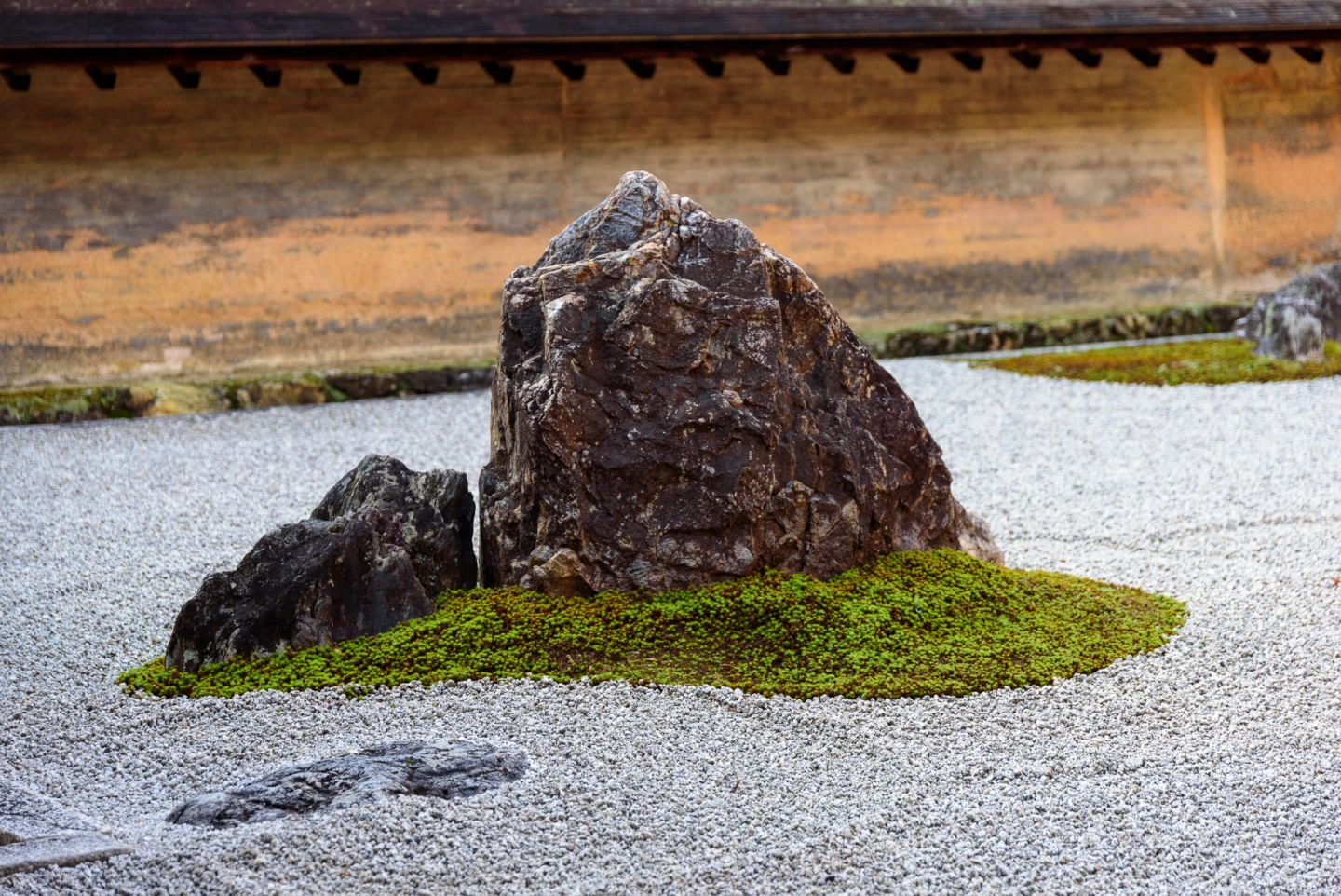
1499 © Arnout Fonck

Ginkakuji, 1482 © Eva Lo
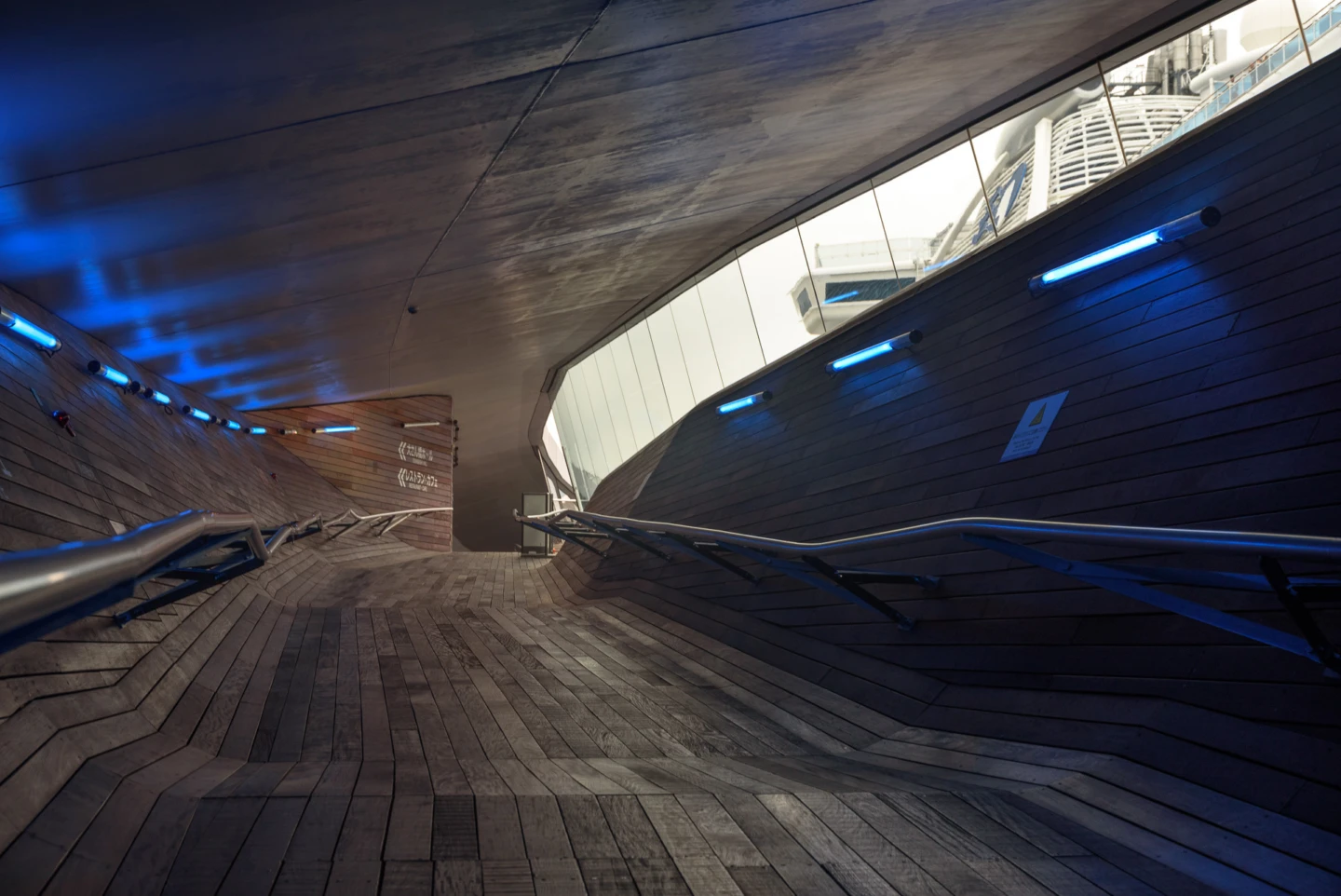
Foreign Office Architects, 2002 © Arnout Fonck

Hiroshi Sambuichi, 2008 © Arnout Fonck

Tofukuji Ryogin an, 1291 © Arnout Fonck
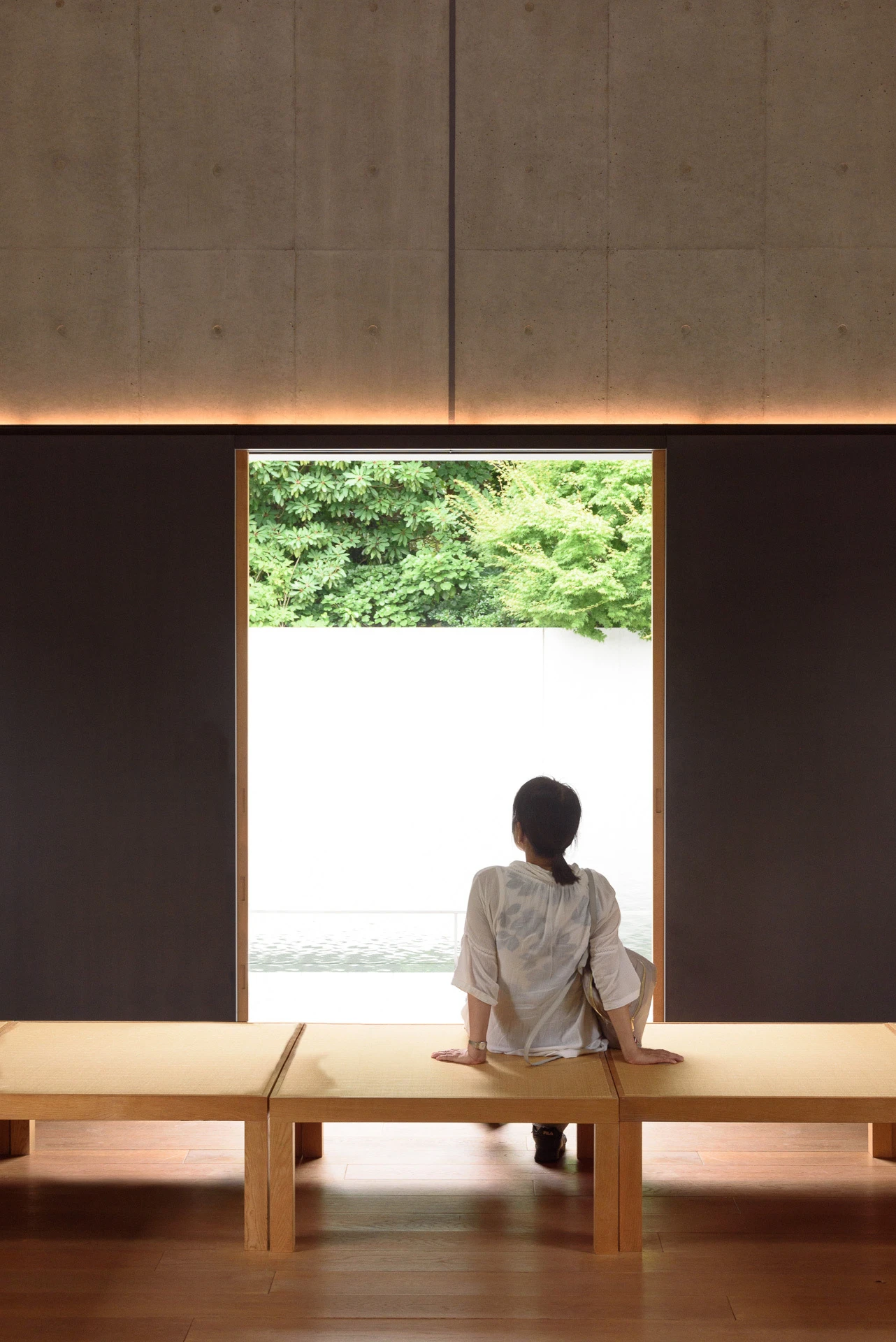
Yoshio Taniguchi © Arnout Fonck
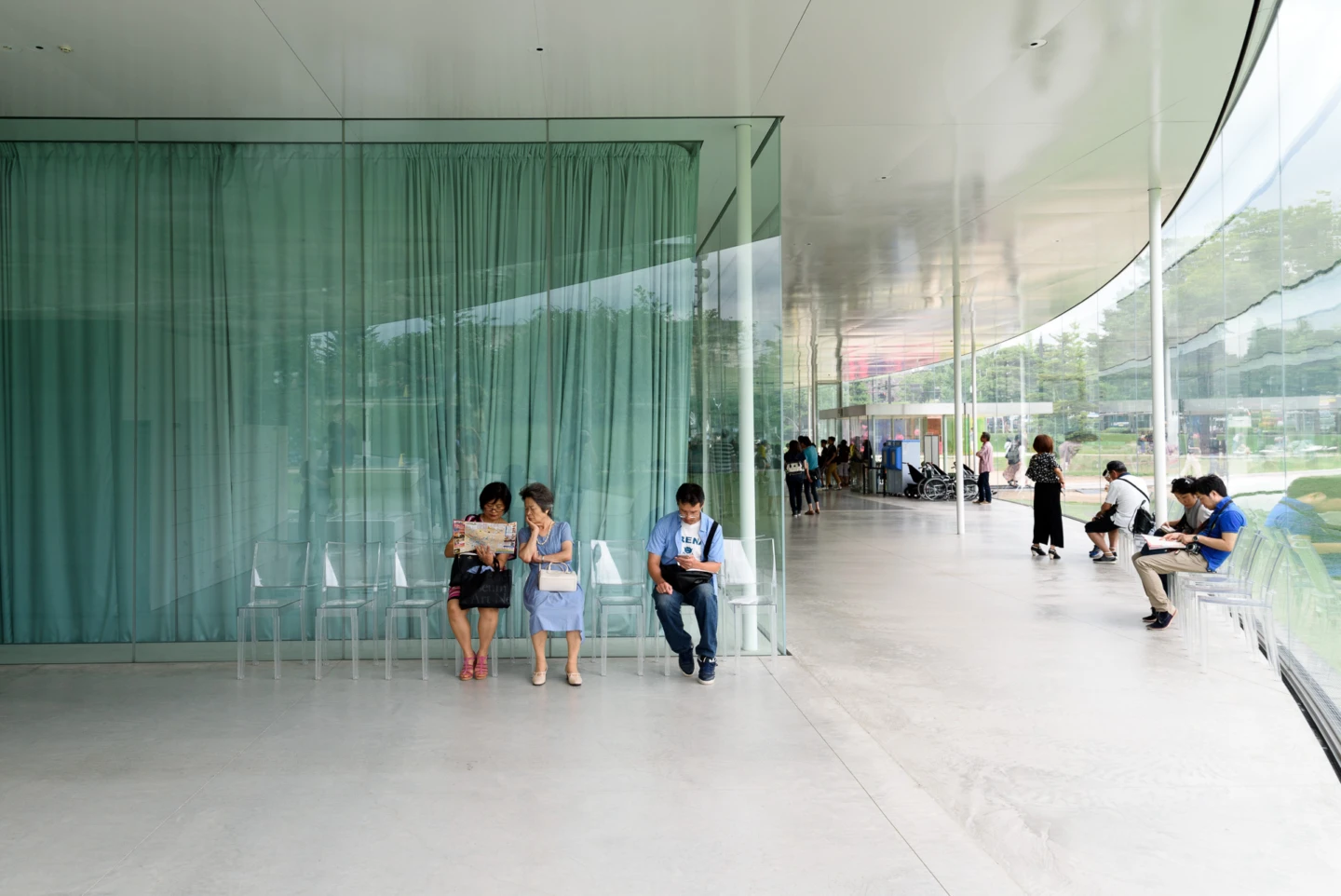
SANAA, 2004 © Arnout Fonck
your trip guidance
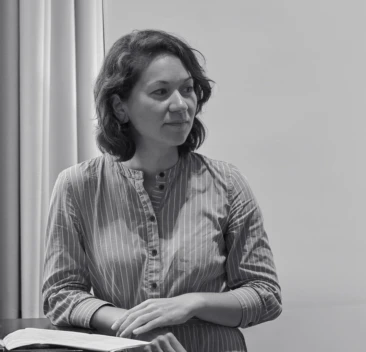
Eva Lo
Eva worked as a project architect at several architectural firms in Antwerp and Brussels. In addition, she is committed as a board member and volunteer at Archipel. Driven by her passion for the city, she guides groups through Brussels during art and architecture tours for Korei.
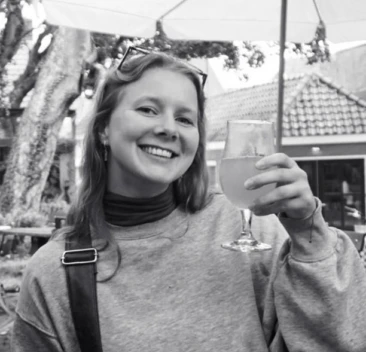
Mira De Cleen
Mira combines curating architecture trips at planopli with her work as an architect in Antwerp. Driven by a strong interest in space, visual culture and film, she volunteers at two arthouse cinemas, where architecture and cinematography meet.