el aire es azul
ALTIPLANO AT CASA WABI

-
type of trip
round trip
-
ideal duration
13 days
-
recommended period
March - April
October - December -
travel along in Dec 2026
schedule a conversation
I think that the ideal place must contain elements of magic, serenity and mystery. Any architectural work that does not exude serenity is a failure.
Mexican culture is characterized by romance, passion, sensuality and tragedy. That layering is strongly reflected in its architecture. Mexican architecture is often reduced to its distinctive use of color. That colorful palette is undeniable and deeply woven into the experience of the country. Intense blue, cutting red, dazzling gold, flowing white, sun-drenched ochre and mysterious pink together form a visual language that expresses emotion and identity. Color here is not decoration, but a carrier of meaning and culture.
Yet beneath this visual power lies a deeper architectural attitude. Mexican modernist architects reinterpreted international ideas not out of rebellion, but from a strong sense of self-worth. They rooted their designs in local traditions and integrated muralism as spatial and social expression. The interplay of mass and void, rooted in pre-Columbian architecture, remains emphatically present in both modernist and contemporary projects. Architecture here is read as a succession of silence and monumentality, of shadow and light.
Poetry plays a central role. Gardens, courtyards, walls and fountains form introspective landscapes in which peace and contemplation take precedence. Enclosed worlds direct the gaze upward and create an almost spiritual experience in which space, air and light coincide. This spatial sensitivity runs like a red thread through the Mexican architectural landscape.
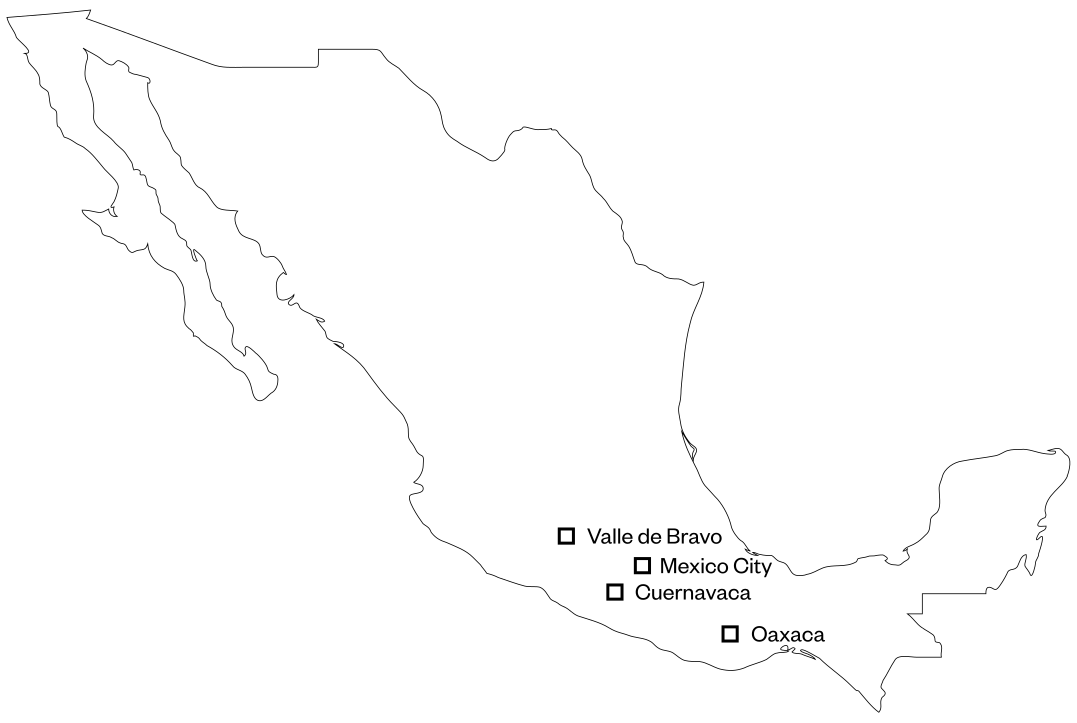
Mexico City embodies this complexity on an urban scale. The metropolis carries a strong historical consciousness, yet remains open to innovation. Architecture from the twentieth and twenty-first centuries forms a rich network of ideas and experiments there. Outside the capital, places such as Valle de Bravo, Cuernavaca, Oaxaca and the Pacific coast offer a slower pace, where nature, architecture and culture reinforce and deepen one another.
Travel between city, landscape and coast is by car, with ample room for observation and reflection. Within cities everything happens on foot, while longer stretches make the course of the landscape legible. In this way, the journey itself becomes an essential part of the architectural experience.
highlights
Barragán not only succeeds in intertwining light and shadow, inside and outside, but also teaches us to look at the sky.
Tadao Ando’s design for the art foundation Casa Wabi, between land and sea, explores the tension between the precision of a Japanese sensibility and the lush excess of a Mexican coastal landscape.
The scarlet-red house of Diego Riviera next to the ultramarine-blue home of Frida Kahlo. As Toyo Ito put it: “A life captured here in a graphic and abstract design, polished with a sharp knife.”
Kalach expands the pre-Hispanic concepts of mass and void in Mexican architecture from spatial experience to material experience. He consistently achieves modesty, refinement, breathing space, lightness and luminosity through minimal interventions.

Hotel Camino Real, Ricardo Legoretta, Noé Castro, Ramiro Alatorre y Carlos Vargas 1968 © Sigrid Decramer
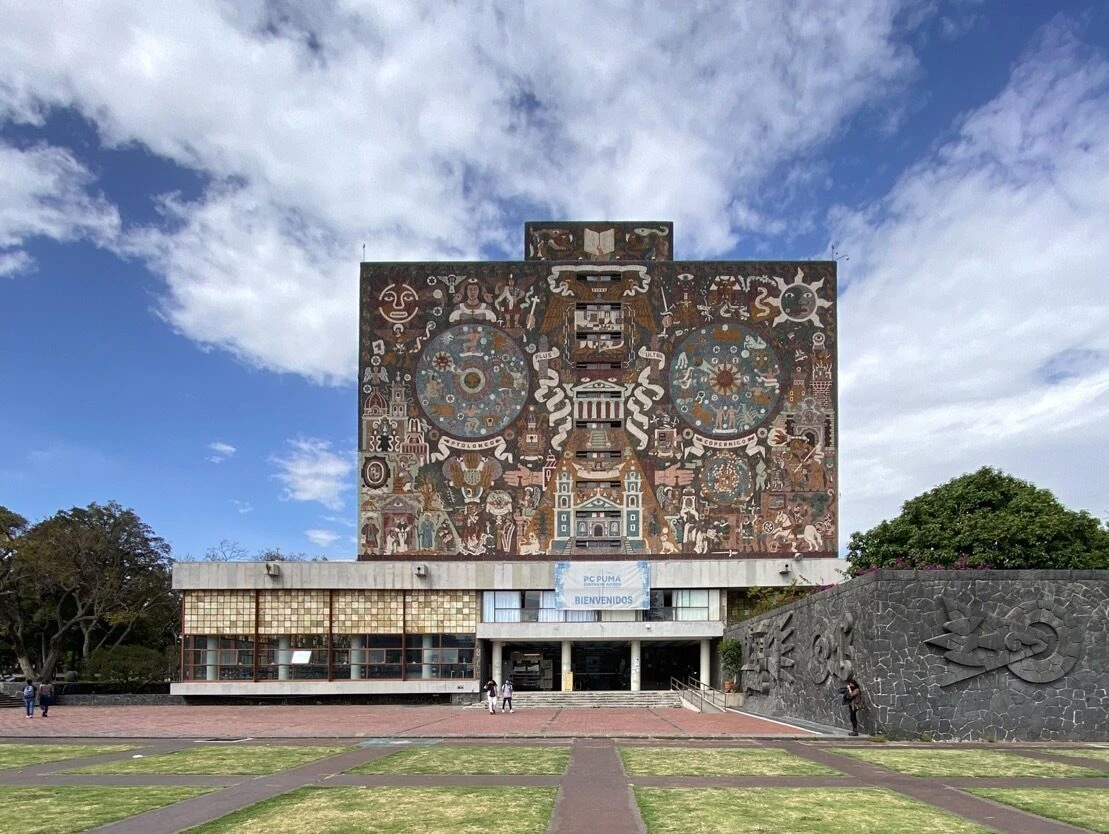
UNAM Biblioteca Central, Diego Rivera, Juan O'Gorman 1950 © Jao Smet

casa Diego Rivera y Frida Kahlo, Juan O'Gorman 1932 © Jao Smet

Casa Wabi, Tadao Ando + BAAQ’ 2016 © Jao Smet
more photos
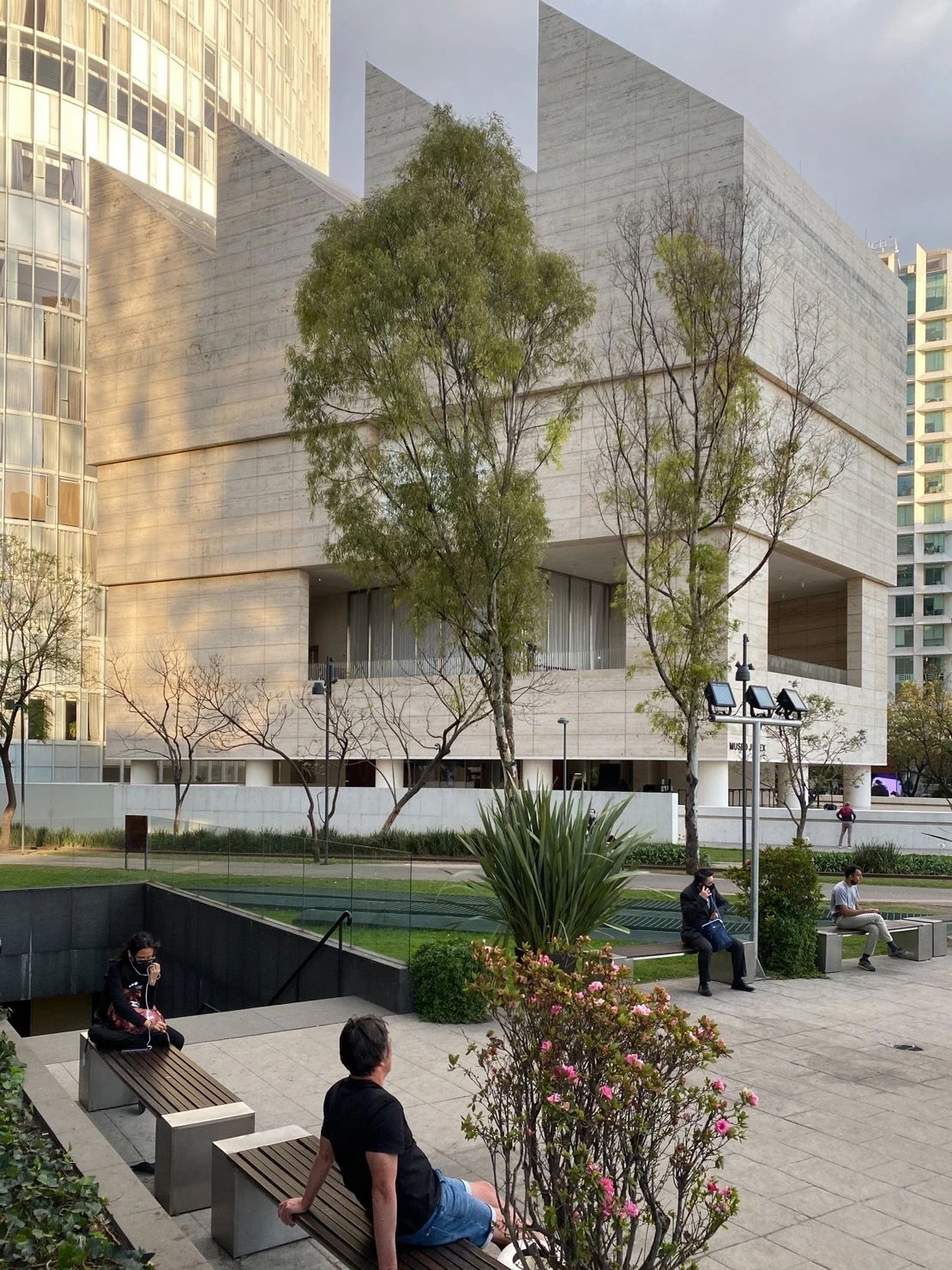
Museo Jumex, David Chipperfield 2013 © Jao Smet

Luis Barragán, 1953 © Sigrid Decramer

Casa Diego Rivera, Juan O'Gorman 1932 © Jao Smet

centro cultural Teopanzolco, Productora 2017 © Jao Smet

casa Terreno, Fernanda Canales 2018 © Jao Smet

centro cultural Teopanzolco, Productora 2017 © Jao Smet
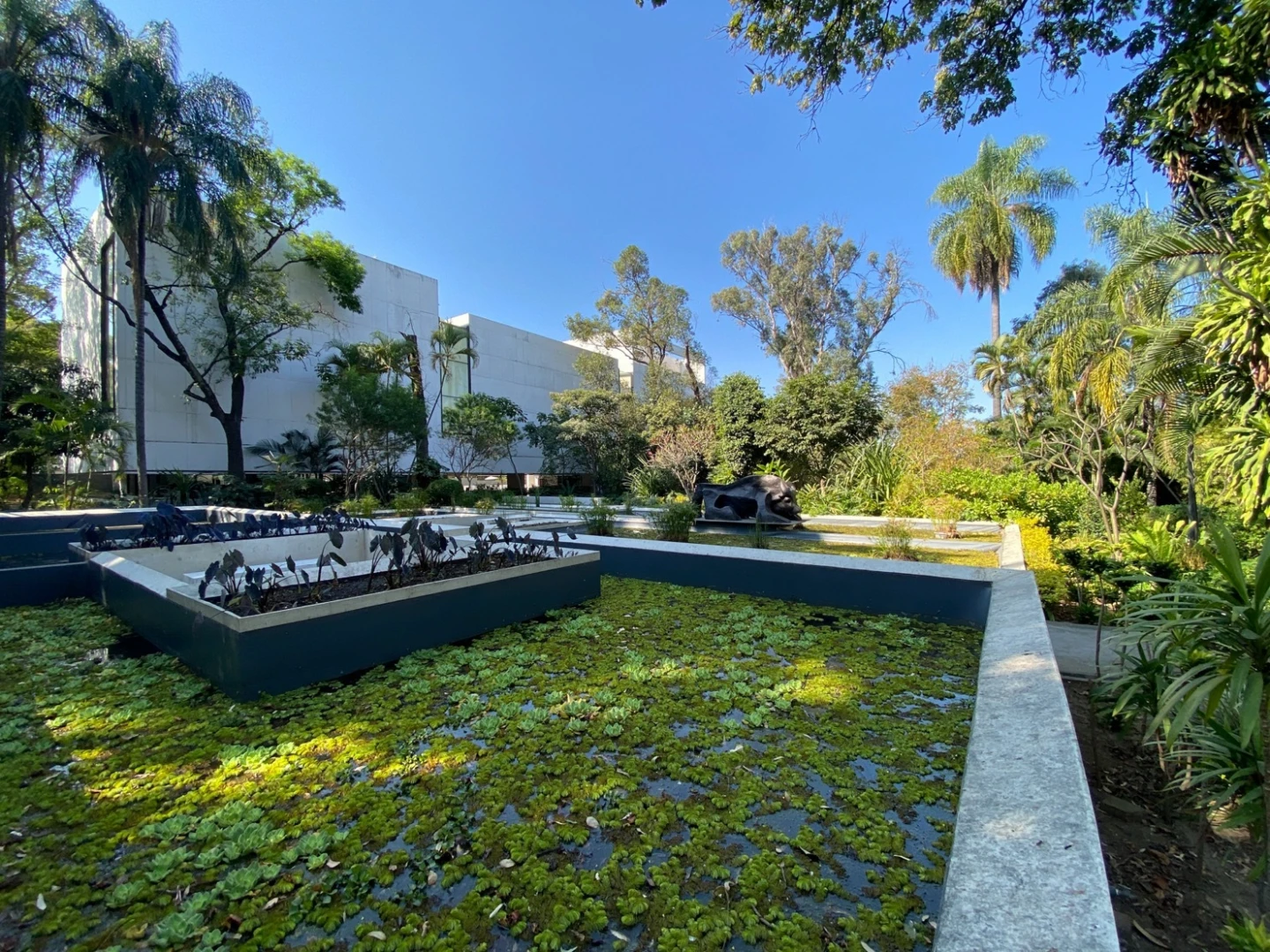
JSA: MMAC Juan Soriano 2018 © Jao Smet
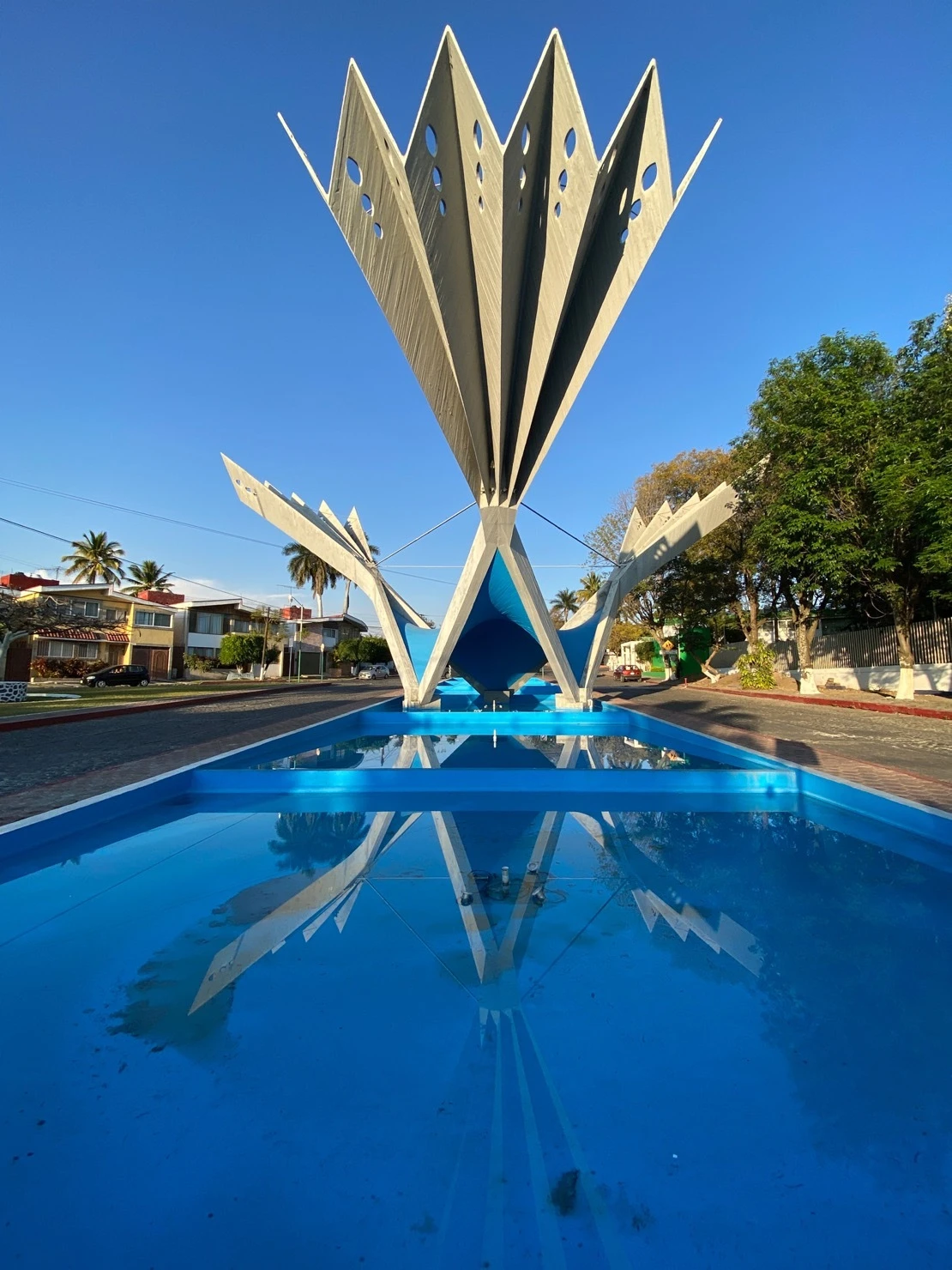
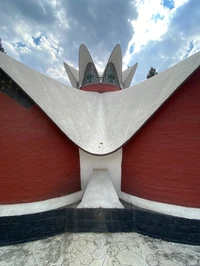
Los Abanicos, Felix Candela 1958 © Jao Smet

capilla de San Felipe de Jesus, Felix Candela con Guillermo Rosell y Manuel Larrosa 1959 © Jao Smet
your travel curators
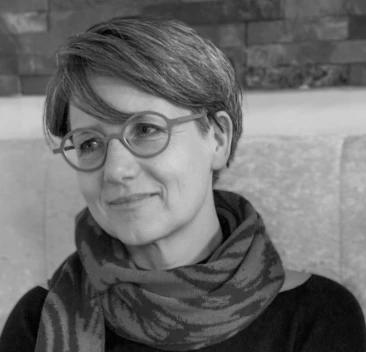
Dominique Pieters
Dominique is the founder and creative director of planopli. She is an architect by training, author, and architecture journalist for (inter)national magazines. Previously, she was artistic director of Archipel and taught at TU Delft and KU Leuven.

Loes Decruynaere
Loes worked as an architect at several renowned firms in Belgium. She was curator of the exhibition and the accompanying book about the work of the young, deceased artist Henri B Defauw. She is also part of the cooperative bookstore Rokko.